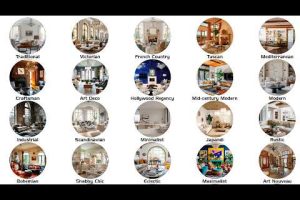
Designing a living room that feels both beautiful and functional is one of the most rewarding home improvement projects you can tackle. Whether you are starting from scratch with an empty space or refreshing a room that has seen better days, the right living room ideas can completely transform the atmosphere of your home. Your living room is more than just a seating area—it is the social heartbeat of your household, the place where family gathers, guests are welcomed, and everyday life unfolds. In this comprehensive guide, we will walk you through proven strategies, expert tips, and creative design concepts that will help you craft a living space that reflects your personal style while maximizing comfort and visual appeal.
Why Living Room Design Matters More Than You Think
The way you design your living room directly influences your daily mood, social interactions, and even your sense of well-being. A thoughtfully arranged living room creates a welcoming atmosphere that makes everyone feel at ease, while a poorly planned space can feel cramped, disconnected, or visually overwhelming. Interior designers consistently emphasize that the living room sets the tone for the entire home. When you invest time in designing a living room that works for your lifestyle, you are not just decorating—you are shaping how you and your family experience your home every single day.
From choosing the right color palette to selecting furniture that balances form and function, every decision matters. The good news is that you do not need a massive budget or professional credentials to achieve stunning results. With the right knowledge and a clear vision, anyone can elevate their living room from ordinary to extraordinary.
Core Principles of Living Room Design
Before diving into specific styles or furniture choices, it helps to understand the foundational principles that guide every successful living room design. These concepts apply whether you are working with a cozy apartment or a spacious open-plan layout.
Establish a Clear Focal Point
Every living room needs a focal point that anchors the space. This could be a fireplace, a large window with a view, a statement piece of artwork, or even a bold media console. The focal point gives the room a sense of direction and helps you arrange furniture in a way that naturally draws the eye.
Balance Proportion and Scale
Furniture that is too large overwhelms a small room, while undersized pieces make a large space feel empty. Measure your living room dimensions carefully before purchasing anything. Keep in mind that the sofa should be proportionate to the room size, and allow adequate clearance for walkways—ideally at least 30 inches between furniture pieces.
Layer Your Textures and Materials
A flat, one-dimensional living room feels boring. Skilled designers layer textures—think velvet cushions against a linen throw, a wooden coffee table beside a metal lamp—to add depth and visual interest without cluttering the space.
Follow the Rule of Three
Grouping items in odd numbers creates a more dynamic and natural composition. Arrange lamps, candles, or decorative objects in groups of three or five for a polished, curated look that feels intentional rather than random.
Popular Living Room Style Ideas and Themes
Choosing a design style gives your living room a cohesive identity. Below are some of the most popular approaches that homeowners and interior enthusiasts love today.
Modern Minimalist Living Room
Modern minimalist design emphasizes clean lines, neutral color palettes, and intentional simplicity. The goal is to eliminate clutter and let each carefully chosen piece breathe. Think low-profile sofas, monochromatic walls, and a few statement accessories rather than dozens of decorative items.
Scandinavian interiors are celebrated for their warmth, light, and functionality. The style relies on light wood tones, soft whites, cozy textiles, and plenty of natural light. Adding a chunky knit throw and a few potted plants instantly evokes that signature Nordic hygge feel that makes living rooms so inviting.
Classic Traditional Layouts
Traditional living room design embraces symmetry, rich wood furniture, and elegant patterns. Wingback chairs flanking a fireplace, a formal sofa with throw pillows in coordinating fabrics, and layered curtains create a timeless, sophisticated atmosphere that never goes out of style.
Bohemian and Eclectic Spaces
For those who love personality and creativity, bohemian living room ideas mix patterns, textures, and colors freely. Vintage rugs, mismatched cushions, macramé wall hangings, and globally inspired accessories give the room a warm, collected-over-time energy that feels deeply personal.
Furniture Selection and Layout Strategies
The furniture you choose and how you arrange it will define the functionality of your living room. Here are practical strategies to get it right.
Choosing the Right Sofa and Seating
The sofa is the centerpiece of most living rooms, so pick wisely. Consider the room’s primary use—if you entertain frequently, a sectional or a large L-shaped sofa provides ample seating. For smaller spaces, a slim-arm sofa or a pair of armchairs can maximize floor space while still feeling comfortable.
When selecting upholstery, durability matters. Performance fabrics resist stains and wear, making them ideal for families with children or pets. Neutral tones like warm beige, charcoal gray, or soft cream offer versatility, allowing you to refresh accessories without replacing the sofa.
Traffic Flow and Furniture Arrangement
A common mistake in living room design is pushing all furniture against the walls. Pulling the sofa slightly away from the wall and angling chairs toward the focal point creates a more intimate conversation area. Ensure clear pathways between furniture pieces so the room feels open and easy to navigate.
Coffee Table and Surface Planning
Your coffee table should be approximately two-thirds the length of your sofa and positioned about 16 to 18 inches away for comfortable legroom. Round tables work well in smaller rooms because they soften the space and reduce bumping into sharp corners.
Color Schemes and Material Choices That Work
Color has a profound impact on how a living room feels. Warm tones like terracotta, warm beige, and soft gold create cozy, inviting atmospheres perfect for relaxation. Cool tones such as sage green, dusty blue, and slate gray bring a calming, sophisticated energy that works beautifully in modern and minimalist settings.
When choosing materials, mix natural elements like wood and stone with softer fabrics like boucle, chenille, or cotton. This combination adds tactile richness and ensures the room feels curated rather than sterile. Avoid matching everything perfectly—coordinating rather than matching creates a more relaxed, designer-quality look.

Lighting Design for the Perfect Living Room
Lighting is often the most overlooked element in living room design, yet it can make or break the ambiance. A well-lit living room uses multiple layers of light to serve different purposes throughout the day and evening.
- Ambient lighting: A statement chandelier or flush-mount ceiling fixture provides overall illumination.
- Task lighting: Floor lamps beside reading chairs or a table lamp on the console support specific activities.
- Accent lighting: Wall sconces, picture lights, or LED strip lighting highlight artwork and architectural features.
- Natural light: Sheer curtains or light-filtering blinds maximize daylight while maintaining privacy.
Dimmer switches are a game-changer. They allow you to adjust brightness for movie nights, dinner parties, or quiet mornings, giving you full control over the room’s mood.
Budget-Friendly Living Room Makeover Tips
You do not need to spend a fortune to achieve a beautifully designed living room. Here are practical tips for refreshing your space on a budget.
- Repaint the walls: A fresh coat of paint in a trending color can completely reinvent a room for under $100.
- Rearrange existing furniture: Simply changing the layout can make the room feel brand new.
- Add affordable accessories: New throw pillows, a statement rug, and updated lampshades add polish without major investment.
- DIY wall art: Create your own gallery wall using framed prints, photographs, or even fabric swatches for a personalized touch.
- Shop secondhand: Thrift stores and online marketplaces often have high-quality furniture pieces at a fraction of retail prices.
Comparison of Popular Living Room Styles
| Style | Best For | Key Colors | Furniture Vibe |
| Modern Minimalist | Small spaces, busy lifestyles | White, gray, black, taupe | Sleek, low-profile, clean lines |
| Scandinavian | Natural light, cozy comfort | White, light wood, soft pastels | Lightweight, functional, warm |
| Traditional | Formal gatherings, classic homes | Cream, navy, burgundy, gold | Dark wood, rolled arms, structured |
| Bohemian | Creative personalities, free spirits | Terracotta, mustard, teal, rust | Mixed, layered, textured, vintage |
| Coastal | Relaxed, breezy atmospheres | White, sand blue, driftwood, coral | Light wicker, natural linen, airy |
Advanced Tips for Polished Living Room Design
Once you have the basics down, these advanced strategies will take your living room from well-designed to truly exceptional. Consider incorporating architectural details like recessed shelving, a decorative ceiling medallion, or built-in cabinetry to add depth and character. Accent walls using textured wallpaper, reclaimed wood paneling, or a bold paint color create visual drama without overwhelming the entire room. Additionally, pay attention to the room’s proportions when hanging artwork—pieces should occupy roughly two-thirds of the furniture width below them for the most balanced composition.
If your living room connects to other areas of the home, maintain visual continuity through consistent design elements like matching flooring transitions, shared color accents, or complementary furniture styles. This creates a seamless flow that makes the entire space feel larger and more cohesive.
Conclusion
Designing a living room is a deeply personal journey that combines creativity, practicality, and a clear understanding of how you want to live in your space. By applying the principles, styles, and strategies outlined in this guide, you can create a living room that not only looks stunning but also feels like the true heart of your home. Start with your focal point, choose a style that resonates with you, select furniture that balances comfort with proportion, layer your lighting, and let your personality shine through in the details. The best living room is not the most expensive one—it is the one that genuinely feels like yours.
Frequently Asked Questions
What are the best living room design ideas for small spaces?
For small living rooms, opt for furniture with exposed legs to create a sense of lightness, use a large-scale mirror to visually expand the space, choose a neutral color palette to keep things airy, and select multi-functional pieces like a storage ottoman or a sofa bed. Keeping clutter to a minimum and using vertical storage solutions also helps maximize every square inch.
How do I choose the right color scheme for my living room?
Start by considering the natural light your room receives. North-facing rooms benefit from warm tones to add coziness, while south-facing rooms can handle cooler, calming hues. Pull colors from a piece of art or a rug you love, and follow the 60-30-10 rule: 60% dominant color (walls), 30% secondary color (furniture and large textiles), and 10% accent color (pillows, artwork, accessories).
What is the ideal living room layout for entertaining guests?
For entertaining, arrange seating in a conversational U-shape or H-shape that encourages interaction. Keep at least 36 inches between opposing pieces for easy movement, position the coffee table centrally but not too far from the seating, and ensure the main walkway to the kitchen or dining area remains unobstructed. Adding extra seating like a bench or accent chairs increases capacity without cluttering the space.
How can I make my living room feel more cozy and inviting?

Layer soft textiles like throws and cushions in varied textures, add warm lighting with dimmable lamps and candles, incorporate natural materials like wood and rattan, and introduce personal touches such as family photos, books, and curated collections. A plush area rug also grounds the seating area and instantly makes the room feel warmer and more welcoming.
What living room furniture pieces are worth investing in?
Prioritize your sofa and mattress-quality seating since these are used the most daily. A sturdy coffee table, a quality area rug that anchors the room, and well-made curtains or blinds are also worthwhile investments. These foundational pieces set the tone for the entire space and hold their value far better than trendy accessories.