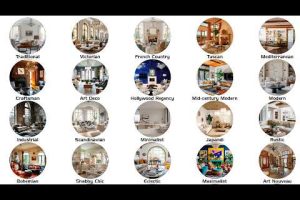
Modern interior design has evolved into one of the most sought-after aesthetics in home decoration worldwide. Whether you are renovating an apartment in a bustling city or building a new house from the ground up, understanding the principles behind contemporary design can transform your living space into something truly extraordinary. The beauty of modern interior design lies in its ability to merge functionality with elegance, creating environments that feel both inviting and refined. In this comprehensive guide, we will walk you through every aspect of crafting a stunning modern interior, from foundational principles to advanced styling techniques that professionals use every day.
What Is Modern Interior Design?
Modern interior design refers to a style rooted in the early-to-mid 20th century movement that emphasized simplicity, function, and the rejection of unnecessary ornamentation. It is important to distinguish modern design from contemporary design, though the two terms are often used interchangeably. While “modern” refers to a specific historical movement, contemporary design reflects the current trends of today. However, modern interior design principles continue to influence current trends, making it a timeless foundation for any stylish home. The hallmark of this approach includes clean lines, open floor plans, and a deliberate focus on the harmony between form and function.
Core Principles of Modern Interior Design
Understanding the foundational principles is essential whether you are just starting your design journey or looking to refine an existing space. These core concepts guide every decision, from furniture placement to color selection.
- Simplicity: Every element in a modern space serves a purpose. There is no room for clutter or excessive decoration.
- Functionality: Form follows function. Each piece of furniture and decor should be both practical and visually appealing.
- Open Spaces: Modern design embraces open floor plans that allow natural light to flow freely between rooms.
- Neutral Color Palettes: Whites, grays, blacks, and muted earth tones dominate the modern aesthetic.
- Clean Lines: Geometric shapes and straight edges define furniture, architecture, and decorative elements.
Key Elements That Define Modern Interior Spaces
Color Palettes in Modern Design

One of the most defining characteristics of modern interior design is its restrained color palette. Designers typically rely on a base of whites, warm grays, soft beiges, and charcoal tones to create a serene backdrop. Accents come through strategic use of bold colors—such as mustard yellow, deep teal, or burnt orange—applied sparingly through throw pillows, artwork, or a single statement chair. The goal is to maintain visual calm while still adding personality to the room.
Furniture Selection and Arrangement
Modern furniture pieces are characterized by low profiles, smooth surfaces, and minimalist silhouettes. Leather sofas, glass coffee tables, and chrome-legged chairs are iconic choices. When arranging furniture, the emphasis is on creating conversational zones without overcrowding the room. Floating furniture—pieces placed away from walls—can add depth and a sense of spaciousness to even smaller areas.
Lighting as a Design Element

Lighting plays a dual role in modern design, serving both practical and decorative purposes. Large windows, skylights, and sheer curtains maximize natural light, while pendant lights, track lighting, and sculptural floor lamps act as statement pieces in the evening hours. Layered lighting—combining ambient, task, and accent sources—is a technique that elevates any modern interior from ordinary to exceptional.
Modern Interior Design Styles Compared
Not all modern interiors look the same. Several sub-styles fall under the modern umbrella, each bringing its own flavor to the table. Below is a comparison to help you identify which direction aligns best with your taste.
| Style | Key Characteristics | Best Suited For | Color Palette |
| Mid-Century Modern | Retro-inspired furniture, tapered legs, organic shapes | Nostalgic warmth with retro charm | Olive green, mustard, walnut brown |
| Minimalist Modern | Extreme simplicity, monochrome tones, no clutter | Small spaces, busy professionals | White, black, gray |
| Industrial Modern | Exposed brick, metal fixtures, raw textures | Lofts, converted warehouses | Charcoal, iron gray, rust |
| Scandinavian Modern | Light woods, hygge elements, cozy minimalism | Cold climates, family homes | White, light wood, soft pastels |
Practical Tips for Designing a Modern Interior
Bringing modern design into your home does not require a complete overhaul or a massive budget. Here are actionable steps you can take starting today:
- Declutter ruthlessly. Modern design and clutter are natural enemies. Remove anything that does not serve a purpose or bring you joy.
- Invest in statement lighting. A single sculptural pendant or a sleek floor lamp can anchor an entire room.
- Choose quality over quantity. A few well-crafted pieces will always outperform a room full of cheap decor.
- Use texture to add depth. Combine materials like concrete, wood, metal, and linen to create visual interest within a neutral palette.
- Embrace negative space. Leave areas of the room intentionally empty. This is not a flaw—it is a deliberate design choice.
- Layer your greenery. Indoor plants add life and warmth to modern interiors without breaking the minimalist rules.
Expert Tip for Beginners
If you are new to interior design, start with the walls and flooring. These two elements set the tone for the entire room. A fresh coat of warm white paint and polished concrete or light hardwood flooring instantly modernizes any space. From there, build upward with furniture and accessories, always keeping your color palette consistent.
Advanced Strategy for Experienced Designers
For those looking to push boundaries, consider mixing modern elements with one contrasting accent—such as a vintage Persian rug in a sleek minimalist living room, or a mid-century credenza in an industrial-style kitchen. This juxtaposition adds character and prevents the space from feeling sterile or overly predictable.

Common Mistakes to Avoid in Modern Interior Design
Even enthusiastic homeowners make avoidable errors when attempting a modern redesign. Here are the most common pitfalls:
- Over-minimalizing: A modern room should feel warm and lived-in, not like a showroom. Adding personal touches and textured fabrics prevents coldness.
- Ignoring scale: Choosing furniture that is too large or too small for the room disrupts the visual balance that modern design relies on.
- Using too many bold colors: Restraint is key. One or two accent colors are enough; more than that can overwhelm the clean aesthetic.
- Neglecting storage: Modern design favors hidden storage solutions. Visible clutter defeats the purpose of the style entirely.
- Copying rooms verbatim from magazines: Adapt trends to your lifestyle and space. What works in a 200-square-foot studio will not necessarily work in a 3,000-square-foot home.
Modern Interior Design on a Budget
You do not need a luxury budget to achieve a polished modern look. Start by focusing on high-impact, low-cost changes: paint walls in a sophisticated neutral tone, replace outdated hardware with sleek matte-black fixtures, and swap heavy curtains for simple linen ones. Thrift stores and online marketplaces are goldmines for authentic mid-century modern furniture at a fraction of retail prices. The secret is to prioritize quality in key pieces and save on accessories that can be updated seasonally.
Conclusion
Designing a modern interior is as much about intention as it is about aesthetics. Every color choice, every furniture placement, and every lighting decision should reflect a deliberate desire to create a space that is functional, beautiful, and uniquely yours. By embracing the core principles of simplicity, clean lines, and thoughtful material choices, you can build a home that feels timeless rather than trendy. Start with small changes, trust your instincts, and remember that the best modern interiors are those that serve the people living in them.
Frequently Asked Questions
What is the difference between modern and contemporary interior design?
Modern interior design refers specifically to the design movement from the early to mid-20th century, characterized by clean lines and minimalism. Contemporary design, on the other hand, describes the ever-evolving current trends of the present moment. While modern design is a fixed style, contemporary design is fluid and constantly incorporates new influences.
How do I make a small room look modern without making it feel cramped?
Focus on light colors for walls and large mirrors to create the illusion of space. Choose furniture with exposed legs to maintain a sense of openness, and prioritize multi-functional pieces like a storage ottoman or a wall-mounted desk. Keeping sightlines clear and minimizing the number of decorative items also helps small rooms breathe.
Can I mix modern design with other styles in my home?
Absolutely. Mixing modern elements with rustic, industrial, or bohemian accents is a popular approach that adds warmth and personality. The key is to maintain a cohesive color palette and ensure that one style dominates while the other complements it as an accent.
What materials are most commonly used in modern interior design?
Concrete, glass, steel, polished wood, and natural stone are staple materials in modern design. These elements contribute to the clean, refined aesthetic while offering durability and easy maintenance, making them practical choices for everyday living spaces.
Is modern interior design expensive to achieve?
Modern design can be achieved at virtually any budget. While high-end brands offer premium pieces, the philosophy of modern design actually encourages simplicity and intentionality. Investing in a few well-chosen items and focusing on architectural details like lighting and wall finishes often yields better results than filling a room with expensive furniture.