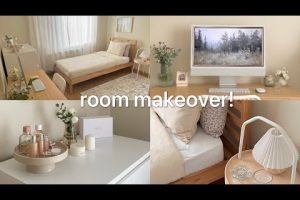
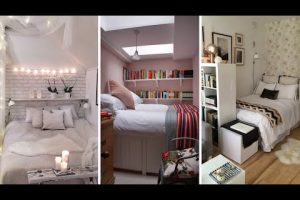
When it comes to designing a shared space that reflects both partners’ personalities, bedroom decorating ideas for couples go far beyond picking a paint color or hanging a few pictures on the wall. A couple’s bedroom should function as a personal retreat — a sanctuary where intimacy, comfort, and individual expression coexist in perfect harmony. Whether you are newly sharing a space for the first time or looking to refresh a long-standing master bedroom, the right design choices can strengthen your connection and transform an ordinary room into something truly extraordinary. This guide walks you through proven strategies, creative inspiration, and practical tips to help you build a bedroom that both of you will love waking up in every single morning.
Understanding What Couples Actually Need in Their Bedroom
Before diving into aesthetics, it helps to step back and think about function. A couple’s bedroom serves multiple purposes — sleep, relaxation, intimacy, and sometimes even light work or hobby time. Identifying your shared priorities early in the planning process saves time, money, and frustration. Start by having an honest conversation about what each person values most in their sleeping environment. One partner might prioritize soft ambient lighting while the other needs a dedicated workspace corner. Both needs can coexist with thoughtful planning.
Consider these key factors when defining your shared vision:
- Sleep quality — Invest in a quality mattress and blackout solutions that both partners agree on.
- Personal storage — Everyone benefits from having their own designated space for belongings.
- Shared aesthetic — Find a design language that bridges both tastes without forcing one partner to compromise entirely.
- Daily routines — Layout should accommodate morning rituals and evening wind-down routines for both people.
- Future flexibility — Design with adaptability in mind as tastes and needs evolve over time.
Choosing the Perfect Color Palette for a Couples’ Bedroom
Color has an enormous impact on mood and emotion, making it one of the most important decisions in couple bedroom design. Neutral tones like warm beige, soft greige, and muted sage create a calming foundation that is easy to build upon. Meanwhile, deeper jewel tones — think navy, emerald, or burgundy — add richness and romance without overwhelming the space.
Color Strategies That Work for Both Partners
When two people with different color preferences share a bedroom, finding common ground can feel tricky. Here are approaches that consistently deliver satisfying results:
- Use a neutral base with accent colors — Keep walls in a versatile neutral and introduce personality through throw pillows, artwork, and accessories in each partner’s preferred hues.
- Split the room into zones — Use a subtle change in wall color or texture on each side of the bed to honor individual tastes.
- Choose a unified palette with tonal variation — Pick one color family and use varying shades throughout the room for visual cohesion.
| Color Family | Best For | Pairing Suggestions |
| Warm Neutrals | Calming, timeless feel | Wood tones, cream textiles, brass accents |
| Cool Tones | Modern, serene atmosphere | Silver hardware, white bedding, glass decor |
| Deep Jewel Tones | Romantic, luxurious mood | Velvet textures, gold fixtures, dark wood furniture |
| Earth Tones | Grounding, organic warmth | Linen fabrics, dried botanicals, woven rugs |
Pro tip from interior designers: always test paint swatches on your actual wall and observe them at different times of day. Colors can shift dramatically under natural versus artificial light, and what looks beautiful at noon might feel completely different at night when the room is dimly lit.
Furniture Layout and Arrangement Strategies
The way you position furniture in a couple’s bedroom affects everything from daily flow to emotional energy. A well-planned layout ensures that both partners feel comfortable and that the room does not feel cramped or unbalanced. Start with the bed as the anchor. In most cases, positioning the bed against the longest wall — opposite the door — creates a balanced focal point. However, if your room has architectural features like a fireplace or a beautiful window, consider placing the bed to take advantage of that element instead.
Additional layout tips include:
- Leave at least 24 inches of walking space on each side of the bed for easy access.
- Place nightstands within arm’s reach of both sleeping positions to promote symmetry.
- Keep the pathway to the closet clear and unobstructed for a smooth morning routine.
- Angle a reading chair slightly away from the bed to create a subtle separation between sleep and relaxation zones.
For smaller bedrooms, consider dual-purpose furniture. A storage ottoman can serve as a seat and a blanket box. A floating nightstand mounted on the wall frees up floor space while maintaining functionality. These small wins add up and make a shared bedroom feel significantly more spacious and inviting.
Lighting Design That Sets the Right Mood
Lighting is arguably the single most impactful design element for creating a romantic, intimate atmosphere in a couple’s bedroom. Harsh overhead lighting is the enemy of relaxation. Instead, layer your light sources to create depth and warmth throughout the evening hours.
A well-designed lighting plan for a couples’ bedroom typically includes:
- Ambient lighting — A dimmable ceiling fixture or recessed lights that can be adjusted for different times of day and moods.
- Task lighting — Sconces or reading lamps on each nightstand for individual use without disturbing your partner’s sleep.
- Accent lighting — LED strip lights behind a headboard or a small lamp on a shelf to add visual interest and warmth.
- Natural light control — Blackout curtains or blinds that allow you to regulate daylight for better sleep quality.
Smart bulbs with warm color temperatures (around 2700K) allow you to adjust brightness and tone throughout the day. Dimming the lights in the evening signals to your body that it is time to wind down, which supports healthier sleep patterns for both partners sharing the space.
Bedding, Textiles, and Soft Furnishings
The bedroom is one of the few rooms in the home where texture and softness matter as much as visual design. High-quality bedding instantly elevates the look and feel of any couple’s sleeping space. Thread count, fabric material, and color all play roles in creating that hotel-worthy retreat you both deserve.
When selecting bedding for a shared bedroom, consider these recommendations:
- Linen or cotton percale for a breathable, relaxed look that works year-round.
- Sateen cotton for a smoother, slightly more luxurious feel with a subtle sheen.
- Layered textures — Mix a chunky knit throw with smooth pillowcases and a wool or faux fur throw blanket to add dimension and depth.
- Coordinating but not matching — Choose complementary colors and patterns rather than identical sets to keep the space feeling curated rather than clinical.

Do not overlook the headboard as a design statement piece. Upholstered headboards in velvet or boucle fabric add both comfort and sophistication. For couples who enjoy reading or watching television in bed, a headboard with extra padding provides practical support while elevating the entire room’s aesthetic appeal.
Storage Solutions Without Sacrificing Style
Clutter is the number one enemy of a peaceful couple’s bedroom. The challenge lies in finding storage that is both functional and visually appealing. Built-in closets, under-bed storage containers, and floating shelves all offer excellent solutions that keep personal belongings out of sight while maintaining a clean, serene atmosphere in the room.
Consider these storage strategies tailored for shared spaces:

- Use matching storage bins or baskets on open shelving to create a unified look even when items are stored out of sight.
- Invest in a dresser or wardrobe that fits the scale of your room — oversized furniture in a small bedroom creates visual overwhelm.
- Incorporate decorative hooks or a stylish valet stand for daily essentials like keys, wallets, and charging cables.
- Opt for furniture with hidden storage, such as a bed frame with built-in drawers or a storage bench at the foot of the bed.
Frequently Asked Questions
What are the best bedroom decorating ideas for couples on a budget?
Start with low-cost swaps like new throw pillows, a statement mirror, and a fresh coat of paint in a unifying color. Repainting an accent wall costs a fraction of a full room makeover and delivers immediate visual impact. Thrift stores and online marketplaces also offer unique furniture pieces that add character without breaking the bank.

How do couples decorate a bedroom when they have very different tastes?
The most effective approach is finding a common thread — a shared color family, a consistent material like wood or metal, or a unifying style direction such as modern minimalist or rustic farmhouse. Each partner can then contribute personal touches through accessories, artwork, and bedding choices that reflect their individual personality within that shared framework.
What is the best layout for a small master bedroom for two people?
Focus on space-saving furniture like a platform bed with built-in drawers, wall-mounted nightstands, and a compact dresser. Keep the bed centered on the main wall and use a large mirror to create the illusion of more space. A minimalist approach to decor ensures the room breathes and feels open rather than cluttered.
How can couples create a romantic bedroom atmosphere affordably?
Dimmer switches, warm-toned bulbs, sheer curtains, and aromatic candles or essential oil diffusers are all inexpensive ways to transform the mood of a bedroom. Adding a plush area rug beside the bed and upgrading your pillow selection also create an immediate sense of luxury and intimacy without a major investment.
What colors create the most relaxing atmosphere for couples?
Soft blues, warm beiges, muted greens, and gentle lavenders consistently rank as the most calming bedroom colors. These shades lower heart rate and reduce stress, making them ideal for a shared sleeping environment where both partners need to feel at ease and well-rested.
Final Thoughts
Creating a beautiful, functional bedroom for couples is ultimately about balance — balancing individual preferences with shared needs, balancing style with comfort, and balancing aesthetics with practicality. The best bedroom decorating ideas for couples are not about following trends or achieving magazine-perfect perfection. They are about building a space that feels authentically yours, a place where both partners can relax, reconnect, and recharge together. Start with the fundamentals, layer in your personal touches gradually, and remember that the most important element of any couple’s bedroom is the love and intention behind every design choice you make. Your shared space should evolve with you, growing richer in meaning and beauty as your relationship deepens over the years ahead.