When you walk into a beautifully curated living space, there is an unmistakable feeling of intention — every piece of furniture, every accent object, and every layer of texture has been chosen with care and purpose. That is the essence of designer home decor, a world where aesthetics meet craftsmanship, and where your living environment becomes a true reflection of your personal taste and lifestyle. Whether you are just beginning your journey into elevated interior styling or you are a seasoned enthusiast looking to refine your approach, understanding the principles behind designer home decor can completely transform the way you experience your space. This guide dives deep into the styles, strategies, and smart choices that separate ordinary rooms from extraordinary ones.
What Is Designer Home Decor and Why It Matters
Designer home decor refers to furniture, lighting, textiles, wall art, and accessories that are crafted with premium materials, exceptional attention to detail, and a distinctive design vision. Unlike mass-produced décor items found in big-box retailers, designer pieces often come from established brands, celebrated independent studios, or curated collections created by renowned interior designers and architects. The difference lies not just in price but in the integrity of design, durability, and the emotional resonance a piece carries.
Investing in designer home decor matters because your environment shapes your daily mood, productivity, and sense of well-being. A thoughtfully decorated room with high-quality finishes and intentional color palettes creates a sanctuary that supports rest, creativity, and connection. Furthermore, well-chosen designer items tend to hold their value over time, making them a smarter long-term investment compared to disposable trend pieces that fall apart or go out of style within a season.
Core Elements That Define Designer Home Decor
Understanding the building blocks of designer interior styling helps you make more informed decisions when selecting pieces for your own home. Below are the essential elements that every designer-decorated space incorporates.
1. Statement Furniture as the Foundation
The furniture you choose sets the tone for the entire room. Designer sofas, dining tables, and beds are often sculpted with clean lines, premium upholstery, and structural details that mass-market alternatives simply cannot replicate. Look for pieces that combine form and function seamlessly — a designer lounge chair that is as comfortable as it is visually striking becomes the anchor around which the rest of the room’s story unfolds.
2. Textiles and Soft Furnishings
Luxury throws, handwoven rugs, custom curtains, and designer cushions add warmth and depth to any interior. The quality of fabric matters enormously — materials like Belgian linen, organic cotton, cashmere blends, and hand-dyed silk elevate the tactile experience of a room. Textiles also offer an accessible entry point into the world of designer home decor, as they can dramatically transform a space at a fraction of the cost of a designer sofa.
3. Lighting as Sculpture
Lighting is one of the most powerful tools in a designer’s toolkit. Pendant lamps, sculptural floor lamps, and statement chandeliers do more than illuminate — they serve as focal points and conversation starters. Brands like Flos, Moooi, and Artemide have built reputations on lighting designs that blur the line between functional object and art piece.
4. Art and Wall Decor

Original artwork, limited-edition prints, and handcrafted wall installations bring personality and cultural depth to a room. Designer home decor often includes curated gallery walls or a single commanding piece that anchors the aesthetic of an entire space.

5. Accessories with Intention
Vases, candles, books, ceramic objects, and sculptural items are the finishing touches that breathe life into a room. The hallmark of great designer styling is restraint — every accessory earns its place and contributes to a cohesive visual narrative.
Popular Designer Home Decor Styles to Explore
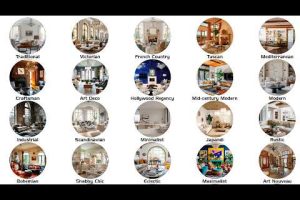
The world of designer interior design spans a rich spectrum of aesthetics. Here are some of the most influential styles that homeowners and design enthusiasts gravitate toward today.
- Modern Minimalist: Clean lines, neutral palettes, uncluttered spaces, and functional furniture with a focus on negative space.
- Mid-Century Modern: Timeless pieces featuring organic shapes, warm wood tones, tapered legs, and a retro-futuristic charm.
- Scandinavian Hygge: A cozy, warm aesthetic rooted in simplicity, natural materials, soft lighting, and a deep appreciation for comfort.
- Luxury Minimalism: High-end materials like marble, brass, and velvet paired with restrained silhouettes for an elegant yet understated look.
- Art Deco Revival: Bold geometric patterns, metallic accents, rich jewel tones, and opulent textures that evoke 1920s glamour.
- Organic Modern: A blend of natural elements — curved wood, stone, rattan, and earthy textures — with contemporary forms and a calm, grounded energy.
Comparing Designer Home Decor Styles
Choosing a style can feel overwhelming when so many options exist. The table below compares the most popular designer decor aesthetics across key criteria to help you identify what resonates with your vision.
| Style | Color Palette | Key Materials | Best For | Price Range |
| Modern Minimalist | White, gray, black, soft beige | Glass, steel, lacquer | Small spaces, clutter-free living | Mid to High |
| Mid-Century Modern | Olive, mustard, burnt orange, walnut | Teak, leather, brass | Nostalgic warmth, character-rich rooms | High |
| Scandinavian Hygge | Soft white, pale gray, dusty pink | Wood, wool, linen | Cozy family homes, Nordic aesthetics | Low to Mid |
| Luxury Minimalism | Ivory, gold, charcoal, navy | Marble, velvet, chrome | Upscale urban apartments, penthouses | Very High |
| Art Deco Revival | Black, gold, emerald, burgundy | Mirrored glass, lacquer, velvet | Dramatic statement spaces | High |
| Organic Modern | Earth tones, sage, terracotta, cream | Rattan, stone, clay, raw wood | Natural living, eco-conscious homes | Mid to High |
How to Choose the Right Designer Home Decor for Your Space
Selecting designer pieces that genuinely enhance your home requires a blend of self-awareness, planning, and a bit of creative intuition. Start by assessing your existing architecture and natural light conditions — a sun-drenched loft will respond differently to decor choices than a dimly lit mid-century bungalow. Consider the following practical steps to guide your selection process.
- Define Your Aesthetic: Collect inspiration from platforms like Pinterest, Dezeen, and Architectural Digest. Create a mood board that captures the colors, textures, and moods you are drawn to.
- Measure Your Space: Designer furniture can be generously proportioned. Always map out room dimensions and leave adequate breathing room between pieces to maintain flow.
- Prioritize Key Pieces: Invest first in the items you use most — your sofa, dining table, or bed frame — and build outward with accessories and secondary furnishings.
- Balance Investment and Accents: You do not need to furnish an entire room with designer items. Mixing a few statement pieces with well-chosen supporting items creates a layered, sophisticated look.
- Focus on Quality Over Quantity: A single beautifully crafted designer piece will always outshine a room full of mediocre décor. Look for solid construction, premium finishes, and timeless design language.
Expert Tips for Incorporating Designer Decor on Any Budget
One of the most common misconceptions about designer home decor is that it is exclusively for those with deep pockets. In reality, there are numerous strategies to bring elevated design into your home without breaking the bank.
- Invest in One Hero Piece: A single designer statement chair, a sculptural floor lamp, or an art piece can redefine an entire room and serve as the centerpiece around which you build the rest of your decor.
- Shop Designer Outlets and Sample Sales: Many established brands offer factory seconds, discontinued lines, and seasonal sample sales where you can find authentic designer items at significant discounts.
- Focus on Small Accessories: Designer candles, ceramics, books, and small textiles are often more affordable than large furniture and still carry the unmistakable mark of curated design.
- Mix Vintage and Contemporary: Combining a vintage mid-century find with modern designer accents creates an eclectic, layered look that feels intentional and highly personal.
- Prioritize Impact Zones: Direct your spending toward high-visibility areas like the living room entryway or dining area, where guests and family members will notice the difference most.
- Choose Timeless Over Trendy: Trend-driven pieces date quickly. Designer decor with enduring design principles — good proportion, quality material, restrained color — will remain relevant for decades.
Frequently Asked Questions About Designer Home Decor
What makes home decor qualify as “designer” compared to regular home accessories?
Designer home decor is distinguished by its intentional design process, superior materials, and often the involvement of a recognized designer or studio. These pieces are produced in limited quantities or as exclusive lines, featuring craftsmanship details such as hand-finishing, custom hardware, and proprietary materials that set them apart from mass-market alternatives.

How can I tell if a home decor piece is genuinely designed by a notable designer?
Look for brand authenticity, designer signatures or labels, and retail partnerships with reputable galleries or boutiques. Research the designer’s background, check for awards or features in design publications, and verify that the retailer is an authorized distributor of the brand you are interested in.
Is it worth investing in designer home decor for a rental property?
Absolutely — especially if you want to elevate the space and attract higher-quality tenants or command premium rental rates. Focus on durable, portable designer items like quality lighting, statement rugs, and decorative accessories that can be easily transported when the lease ends.
What is the best way to mix designer home decor with budget-friendly pieces without it looking mismatched?
The key is maintaining visual consistency through color palette, material texture, and design era. Choose a unifying theme and stick to it, allowing your designer pieces to stand out as focal points while budget-friendly items provide complementary support. The eye reads cohesion, not price tags.
Are there affordable entry points into designer home decor for beginners?
Yes — designer candles, ceramic vases, printed throw pillows, and small art prints are excellent starting points. Many emerging designer brands also offer more accessible price points for their smaller accessories, giving beginners a chance to experience elevated design without a significant financial commitment.
Where should I shop for authentic designer home decor online?
Reputable online destinations include brand flagship websites, established design retailers like Design Within Reach or Article, curated marketplaces such as Chairish or 1stDibs for vintage finds, and specialty galleries that carry limited-edition and emerging designer collections.
Final Thoughts on Elevating Your Space with Designer Home Decor
Designer home decor is more than a luxury purchase — it is a philosophy of living that values intention, quality, and beauty in everyday surroundings. Whether you are drawn to the clean precision of modern minimalism, the nostalgic warmth of mid-century design, or the organic elegance of Scandinavian styling, the principles remain the same: choose pieces that speak to you, invest in craftsmanship, and allow your space to evolve naturally over time. The most beautifully decorated homes are never achieved overnight; they are the result of thoughtful curation, a clear personal vision, and the confidence to surround yourself with objects that truly matter. Start with one piece that inspires you, build from there, and watch as your home transforms into a space that is not only visually stunning but deeply, authentically yours.