


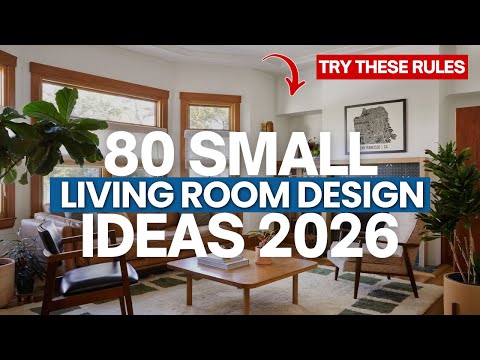
When you are working with a compact living room, every design decision carries enormous weight. Small living rooms are not just smaller versions of large ones — they demand a fundamentally different approach to furniture selection, color psychology, storage solutions, and visual perception. Whether you are dealing with a cozy studio apartment, a narrow loft layout, or simply a more intimate family room, the right decorating ideas for small living room spaces can completely transform how you experience your home. In this comprehensive guide, we will walk through proven strategies ranging from beginner-friendly quick wins to advanced interior design techniques that professionals use to make compact rooms feel expansive, warm, and deeply personal.
Understanding the Core Challenges of Small Living Room Design

Before diving into specific decorating ideas, it helps to understand what makes small living rooms tricky. The primary issues most homeowners face include limited floor space, insufficient natural light, cluttered sight lines, and the temptation to overcrowd the room with furniture that does not quite fit. When you recognize these pain points early, you can address them systematically rather than relying on guesswork. A well-planned small living room renovation can increase perceived space by 30 percent or more, according to professional interior designers who specialize in compact residential interiors.
The key principle to internalize is this: in a small living room, every square foot must earn its place. This does not mean sacrificing comfort or style — it means being intentional about what you bring into the space and how you arrange it.
Furniture Selection and Arrangement Strategies
Choosing the right furniture is the single most impactful decision you will make when decorating a small living room. Oversized sectional sofas, bulky entertainment centers, and massive coffee tables are the enemies of compact spaces. Instead, prioritize pieces that offer function without dominating the floor footprint.
Choosing the Right Scale of Furniture
When selecting sofas, armchairs, and tables for a small living room, look for pieces with exposed legs, slim profiles, and open bases. Furniture that lifts off the ground creates an illusion of more floor space visible underneath, which tricks the brain into perceiving a larger room. Here are specific recommendations to consider:
- Two-seat sofas instead of full three-seat models — they take up roughly 40 percent less floor space while still seating three people comfortably with a nearby accent chair.
- Nested or stackable tables that can be pulled out when needed and tucked away when not in use.
- Slim-arm or armless chairs that reduce the visual bulk around seating areas.
- Wall-mounted or floating desks and shelves that free up precious floor square footage.
- Low-profile furniture — keeping the sightline lower makes ceilings appear taller.

Layout Patterns That Maximize Space

How you arrange your furniture matters just as much as the pieces themselves. Avoid pushing all furniture against the walls — this actually makes a room feel smaller because it creates a dead zone of empty space in the center. Instead, try floating your seating arrangement slightly inward, which defines a conversation zone and makes the room feel purposeful.
- L-shaped arrangements work well in rectangular rooms, anchoring two walls while leaving a clear path through the center.
- Symmetrical layouts with matching side tables and lamps create visual balance that signals order and spaciousness.
- Zoned arrangements use rugs and lighting to define separate functional areas — a seating zone, a reading nook, and a media area — without building walls.
| Layout Type | Best For | Space Efficiency | Visual Impact |
| L-Shaped | Rectangular rooms | High | Anchoring and cozy |
| Symmetrical | Square rooms | Medium-High | Balanced and orderly |
| Floating Zones | Open-plan spaces | Very High | Expansive and dynamic |
| Wall-Aligned | Very narrow rooms | Medium | Clean but can feel empty |
Color Schemes and Lighting Techniques
Color and lighting are two of the most powerful tools in your decorating arsenal when working with a small living room. Used correctly, they can make walls appear to recede, ceilings look higher, and the entire room feel more open and breathable.
Best Paint Colors and Wall Treatments for Small Spaces
Light, neutral tones remain the go-to choice for maximizing perceived space, but that does not mean your small living room has to look like a sterile hospital corridor. Soft whites, warm creams, pale grays, and muted pastels all reflect light beautifully while adding warmth and personality. Consider these specific color strategies:
- Monochromatic schemes — using varying shades of the same color on walls, trim, and furniture creates visual continuity that makes boundaries between surfaces dissolve.
- Accent walls in deeper tones — painting one wall a rich navy, forest green, or warm terracotta adds depth without shrinking the room, because the eye perceives that wall as receding.
- Ceiling color — painting the ceiling a shade lighter than the walls draws the eye upward and makes the room feel taller.
Layered Lighting for Depth and Ambiance
Relying on a single overhead light fixture is one of the biggest mistakes in small living room design. A single source creates harsh shadows and flattens the space. Instead, build a layered lighting plan that includes ambient, task, and accent sources:
- Ambient lighting: A dimmable ceiling fixture or recessed lights set to a warm temperature (2700K to 3000K) creates a comfortable baseline glow.
- Task lighting: Table lamps on side tables, a floor lamp in a reading corner, or LED strip lighting behind a media console serve functional purposes while adding visual interest.
- Accent lighting: Wall sconces, picture lights, or a small spotlight on a piece of art draws the eye to focal points and breaks up flat wall surfaces.
Natural light should also be maximized whenever possible. Avoid heavy, floor-length curtains that block windows — instead, use sheer or semi-sheer panels that diffuse sunlight while keeping the room feeling airy and connected to the outdoors.
Clever Storage and Multifunctional Furniture
Clutter is the number one enemy of a small living room. When surfaces are crowded with objects, the brain perceives the room as even more cramped than it actually is. The solution is to invest in furniture that doubles as storage and to incorporate smart organization systems that keep essentials out of sight.
Multifunctional furniture pieces are a game-changer for compact living spaces. Consider an ottoman with internal storage, a coffee table that lifts to become a dining or work surface, a sofa bed for occasional guests, or wall-mounted folding desks that disappear when not in use. These pieces address the dual challenge of furnishing a room and storing belongings without adding visual noise.
Vertical storage is equally important. Tall bookshelves, wall-mounted cabinets, and floating shelves draw the eye upward and utilize wall space that would otherwise go unused. Just remember to keep displays curated — too many items on shelves create visual clutter even when the storage itself is hidden.
Mirror and Visual Trick Techniques
Mirrors are arguably the single most effective decorative tool for making a small living room feel larger. They reflect light, create the illusion of depth, and visually double the view of the room. Place a large mirror directly across from a window to bounce natural light deep into the space, or use a mirrored media console to add dimension behind the television area.
Beyond mirrors, several other visual tricks can enhance the perception of space:
- Continuation of flooring — using the same flooring material throughout an open-plan area eliminates visual boundaries and makes the space feel unified.
- Low furniture against tall walls — the contrast emphasizes vertical height.
- Striped rugs and curtains — horizontal stripes make a room feel wider; vertical stripes make it feel taller.
- Consistent frame styles — matching picture frames, lamp bases, and decorative objects create a rhythm that signals cohesion and order.
Decorative Accents and Personalization
Once you have addressed the foundational elements — furniture scale, layout, color, lighting, storage, and visual tricks — it is time to inject personality into the room through thoughtful decorative accents. The key for small spaces is quality over quantity. Choose a few meaningful pieces rather than filling every surface.
Consider these expert tips for decorating a small living room with personality:
- Use one bold piece — a vibrant throw pillow, a striking piece of wall art, or a unique sculptural object — as a focal point rather than scattering many small decorations.
- Stick to a three-color palette with one dominant neutral, one secondary tone, and one accent color. This keeps the room visually cohesive and prevents it from feeling chaotic.
- Incorporate plants — even one well-placed indoor plant adds life, color, and a sense of connection to nature without taking up much floor space.
- Use textiles strategically — a textured throw blanket, a woven rug, or a set of linen curtains adds warmth and layers that make the room feel curated rather than bare.
The difference between a room that merely looks small and one that feels intentionally designed comes down to restraint and curation. Resist the urge to fill every inch, and let the space breathe.
Frequently Asked Questions
What is the best color for a small living room to make it look bigger?
Soft, light-reflective colors such as warm whites, pale grays, soft blues, and muted pastels are widely regarded as the best choices for making a small living room appear larger. These hues bounce natural and artificial light around the room, reducing the perception of walls closing in. Pairing a lighter wall color with a ceiling that is one or two shades lighter creates an expansive, airy feel that even professional designers recommend for compact spaces.
How do you furnish a small living room without making it feel cramped?
The secret is selecting furniture with exposed legs, slim profiles, and dual purposes. A two-seat sofa with a slim armrest, a coffee table with built-in storage, and a single accent chair can comfortably furnish a small living room without crowding the floor. Floating furniture away from walls by a few inches and arranging pieces in conversational groupings rather than lining them against the perimeter also prevents the cramped feeling that comes from pushing everything to the edges.
Can mirrors really make a small living room look significantly larger?
Yes, mirrors are one of the most effective visual tricks for expanding the perception of a small living room. When placed strategically — especially directly across from a window — a large mirror reflects both natural light and the view outside, creating the illusion of an additional opening in the wall and doubling the visible depth of the room. This is a technique used by interior designers worldwide and consistently delivers noticeable results in compact spaces.
What are the best lighting choices for a small living room?
Layered lighting is the gold standard for small living rooms. Combine a dimmable overhead source for ambient glow, table lamps or floor lamps for task lighting, and wall sconces or picture lights for accent illumination. Using warm color temperatures (2700K to 3000K) throughout creates a cozy atmosphere while avoiding the harsh, flat look that single-bulb overhead fixtures produce. Sheer window treatments also help maximize the natural light that enters the room.
How do you decorate a small living room on a budget?
Budget-friendly decorating for a small living room starts with a fresh coat of light-colored paint, which is one of the highest-impact, lowest-cost transformations available. Rearranging existing furniture to create a floating seating arrangement costs nothing and immediately improves flow. Adding affordable accent pieces like a textured throw, a few well-chosen throw pillows, and a single statement mirror can refresh the entire room without a significant investment. Thrift stores and online marketplaces also offer unique multifunctional pieces at a fraction of retail prices.
What is the ideal rug size for a small living room?
The ideal rug for a small living room should be large enough that at least the front legs of all furniture pieces in the seating group rest on it. A rug that is too small — where only the front half of the sofa sits on it — actually makes the room feel fragmented and smaller. Conversely, a rug that is too large for the room can overwhelm the space. For most small living rooms, a rug measuring approximately 8 by 10 feet or 9 by 12 feet strikes the right balance between anchoring the furniture group and leaving enough exposed floor to maintain a sense of openness.
Conclusion
Decorating a small living room is not about making compromises — it is about making smart, intentional choices that amplify what you have. From selecting the right scale of furniture and arranging it in a way that promotes flow, to choosing light-reflective colors, layering lighting sources, and incorporating clever storage solutions, every element works together to create a space that feels larger, warmer, and more inviting than its square footage would suggest. The most successful small living rooms are not the ones with the most expensive furniture; they are the ones where every piece has a purpose, every color serves a function, and every corner feels deliberately curated. Start with one or two of the strategies outlined in this article, and build from there — your compact living room has incredible potential, and with the right approach, it can become the most welcoming room in your home.