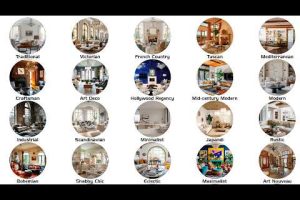
Design styles are far more than just aesthetic preferences — they represent the visual language through which brands, spaces, and digital experiences communicate meaning to their audiences. Whether you are an interior designer shaping a living room, a UI/UX designer crafting a mobile application, or a graphic artist developing a brand identity, understanding design styles gives you the vocabulary and framework to make intentional creative decisions. In today’s crowded digital landscape, choosing the right design style can mean the difference between a forgettable project and one that resonates deeply with users. This guide explores the most influential design styles in detail, offers practical frameworks for selecting the right approach, and provides expert-level tips that elevate your work from competent to exceptional.
Design Styles: A Comprehensive Guide to Visual Aesthetics
What Are Design Styles and Why Do They Matter?
A design style refers to a cohesive set of principles, techniques, and visual elements that define the look and feel of a creative work. These styles evolve over decades, influenced by cultural movements, technological advances, and shifting consumer preferences. Think of design styles as dialects within a broader language — each one carries its own grammar of color palettes, typography choices, spatial relationships, and textural elements.
Why does this matter so much in practice? Because consistency builds trust. When your website, packaging, or physical space reflects a unified design style, users immediately sense professionalism and intentionality. Studies in cognitive psychology show that humans form visual impressions within milliseconds, and a mismatched or inconsistent aesthetic can trigger subconscious discomfort. On the other hand, a well-executed design style creates familiarity, guides user behavior, and reinforces brand recall.
For beginners, understanding design styles provides a foundation for experimentation. Intermediate practitioners use them to refine their signature aesthetic, while advanced designers often blend multiple styles — a technique known as eclectic design — to create something entirely original. Regardless of your skill level, mastering design styles is an ongoing journey of observation, study, and practice.
The Most Popular Design Styles Explained
Minimalist Design Style
Minimalism in design strips away excess ornamentation to focus on the essentials. The philosophy is rooted in the idea that less is more. Characterized by clean lines, generous white space, limited color palettes, and purposeful typography, minimalist design prioritizes functionality and clarity above all else.
Key characteristics of minimalist design include:
- A restrained color palette, often using black, white, and neutral tones
- Generous use of negative space to create visual breathing room
- Sans-serif typography with emphasis on readability
- Flat icons and geometric shapes without decorative detailing
- Strong hierarchy through contrast and spacing rather than ornament
Minimalist design style dominates modern web design, product packaging, and contemporary architecture. Brands like Apple, Google, and Muji have built entire empires on the power of simplicity. If you are just starting out, minimalism is one of the most rewarding design styles to study because it forces you to think critically about what truly belongs in your composition.
Scandinavian design emerged from the Nordic countries in the early 20th century and has remained immensely popular ever since. This style emphasizes warmth, functionality, and a deep connection to nature. It is frequently associated with interior design, but its principles extend beautifully into graphic design, UI design, and branding.
What sets Scandinavian design apart is its marriage of austerity and coziness — a concept the Danes call hygge. You will notice:
- A preference for light, muted tones including soft whites, dusty blues, and warm grays
- Natural materials such as wood, wool, linen, and leather
- Clean, organic shapes that feel both structured and inviting
- An emphasis on craftsmanship and understated elegance
- Balanced compositions that avoid both clutter and coldness

Scandinavian design style works exceptionally well for brands that want to convey trustworthiness, authenticity, and approachability. It has become a go-to choice for wellness brands, sustainable product companies, and lifestyle blogs.
Industrial Design Style
Inspired by the raw aesthetics of factories, warehouses, and urban infrastructure, industrial design style embraces exposed materials and unfinished textures. Brick walls, steel beams, concrete floors, and visible piping are hallmarks of this approach, both in physical spaces and in digital design.
In digital contexts, industrial design style manifests through:
- Dark color schemes with high contrast accents
- Raw textures such as distressed paper, metal grain, or concrete overlays
- Bold, utilitarian typography — often sans-serif with a mechanical feel
- Asymmetrical layouts that feel intentionally raw rather than accidental
- A preference for grungy, textured photography over polished stock images
This style thrives in craft breweries, coworking spaces, streetwear brands, and music platforms. It appeals to audiences who value authenticity, edge, and a sense of urban sophistication.
Art Deco Design Style
Art Deco burst onto the scene in the 1920s and 1930s, characterized by geometric precision, luxurious materials, and bold ornamentation. This design style draws from a blend of modernist aesthetics and ancient decorative traditions, resulting in an unmistakably opulent visual language.

Identifying features of Art Deco include:
- Symmetrical, repeating geometric patterns — chevrons, sunbursts, and zigzags
- Gold, black, emerald green, and jewel-toned color palettes
- Luxury typography with sharp angles and elongated forms
- Emphasis on glamour, excess, and visual drama
- Layered compositions that feel both structured and ornate
Art Deco has experienced major resurgences in fashion branding, luxury hospitality, and editorial design. It is an excellent choice when you want to communicate prestige, heritage, and timeless sophistication.
Modern vs. Contemporary Design Styles
One of the most common points of confusion in design is the distinction between modern and contemporary design styles. While they are often used interchangeably, they refer to different philosophies and time periods.
Modern design specifically refers to the mid-20th century movement rooted in the Bauhaus school and the International Style. It emphasizes form following function, the rejection of ornament, and the use of industrial materials like steel, glass, and concrete. Think of the iconic mid-century furniture designs by Eames and Saarinen.
Contemporary design, by contrast, refers to what is current and happening right now. It is fluid, ever-evolving, and draws from multiple eras and influences. Contemporary design may incorporate elements of minimalism, Scandinavian warmth, industrial edge, and even retro references — all blended into something fresh and present.
The easiest way to remember the difference is that modern is a specific historical period, while contemporary is an ongoing, living movement. Understanding this distinction helps you communicate more precisely with clients and collaborators.
Comparison Table: Major Design Styles at a Glance
| Design Style | Core Philosophy | Color Palette | Best Used For |
| Minimalist | Simplicity and clarity | Neutrals, monochrome | Tech brands, SaaS platforms, luxury goods |
| Scandinavian | Functionality and warmth | Light, muted, natural | Wellness, sustainability, lifestyle brands |
| Industrial | Raw authenticity and edge | Dark tones, high contrast | Craft, urban brands, entertainment |
| Art Deco | Luxury and geometric elegance | Jewel tones, gold, black | Fashion, hospitality, heritage brands |
| Modern | Form follows function | Neutrals with bold accents | Architecture, corporate branding |
| Contemporary | Adaptive and current | Varied, trend-driven | Flexible across industries |
How to Choose the Right Design Style for Your Project
Assessing Your Brand Identity
Before you commit to a particular design style, take time to define your brand’s core identity. Ask yourself what values you want to communicate — innovation, warmth, reliability, luxury, rebellion? Your design style should be a visual expression of those values, not an arbitrary aesthetic choice.
Start by gathering inspiration from brands you admire and analyzing what specific design elements make them effective. Create a mood board that captures color palettes, typography samples, texture references, and layout patterns. Over time, patterns will emerge that point toward the design style that aligns most naturally with your vision.
Understanding Your Audience
Different audiences respond to different visual languages. A Gen Z audience might gravitate toward bold, maximalist design styles, while a professional B2B audience may prefer the clarity and restraint of minimalist or modern aesthetics. Conducting audience research — through surveys, analytics, or direct interviews — gives you data-driven insight into what resonates.
Remember that design style also affects usability. A busy, ornate design might feel exciting on a social media campaign but could overwhelm users on a banking interface. Always consider the functional context alongside the aesthetic one.
Advanced Tips for Mastering Design Styles
Once you have a solid grasp of individual design styles, the next level involves learning how to blend them thoughtfully. Here are some expert-level strategies:
- Start with a primary style and layer in secondary influences. For example, a Scandinavian foundation with subtle industrial textures creates a unique hybrid feel that feels cohesive rather than chaotic.
- Use the 80/20 rule. Keep approximately 80% of your design elements consistent with your primary style, and allow the remaining 20% to introduce contrasting elements that add visual interest.
- Study design history to avoid anachronisms. Mixing design elements from incompatible eras can feel jarring unless you have a deliberate reason for doing so.
- Test across mediums. A design style that looks stunning on a desktop website may not translate well to mobile or print. Always evaluate your choices in multiple contexts.
- Iterate based on real feedback. User testing and analytics reveal whether your chosen design style is actually resonating or just looking good to you.
The most memorable design work does not rigidly follow a single style — it references multiple influences in a way that feels fresh and purposeful. This is where true creative mastery begins.
Frequently Asked Questions
While both styles value simplicity and clean lines, Scandinavian design incorporates warmth through natural materials, cozy textures, and softer color palettes. Minimalism tends toward colder, more austere compositions with a stricter reduction of elements. Scandinavian design feels lived-in and inviting, whereas minimalism often prioritizes precision and clinical clarity.
Can I combine multiple design styles in a single project?
Absolutely — and many of the most celebrated designs do exactly this. The key is to establish a dominant style that provides cohesion, then introduce secondary style elements deliberately. Without a clear anchor, mixing design styles can result in visual confusion rather than creative richness.
Which design style is best for a new startup’s branding?
There is no one-size-fits-all answer, but minimalist and Scandinavian design styles are popular choices for startups because they convey professionalism, clarity, and approachability. They also scale well across digital platforms and are relatively easy to maintain consistently as your brand grows.
How do I stay current with evolving design styles without chasing trends?
Focus on understanding the underlying principles behind trends rather than adopting surface-level aesthetics. Follow reputable design publications, study case studies from award-winning agencies, and attend industry events. Trends come and go, but principles like hierarchy, contrast, and balance remain timeless.
What role does typography play in defining a design style?
Typography is one of the most powerful tools for establishing a design style. The font you choose instantly signals whether a project feels modern, classic, industrial, or playful. Pairing typeface selections with your chosen style’s color palette, spacing, and layout creates a unified visual identity that feels intentional and polished.
Conclusion
Design styles are the building blocks of visual communication, and understanding them deeply transforms how you approach every creative project. From the stripped-back elegance of minimalism to the opulent geometry of Art Deco, each style offers a unique set of tools for telling a brand’s story. The most effective designers do not limit themselves to a single approach — they develop the expertise to move fluidly between styles, adapting their visual language to match the audience, the message, and the medium. By investing the time to study, practice, and thoughtfully combine design styles, you position yourself not just as a practitioner, but as a true creative authority. Start with one style that resonates, master its fundamentals, and then expand your repertoire. Your design work will be richer, more intentional, and far more impactful for it.