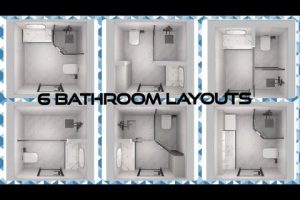
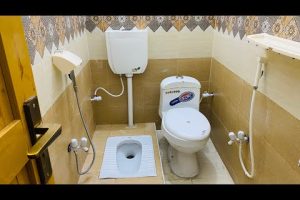
When you think of a bathroom barn door, the first image that likely comes to mind is a rustic sliding door crafted from reclaimed wood with visible grain patterns and iron hardware. But the reality of modern bathroom barn doors has evolved far beyond that stereotype. Today, a barn door in the bathroom serves a powerful combination of aesthetic appeal, functional space-saving, and architectural personality that few other door styles can match. Whether you are remodeling a compact powder room, designing a luxury ensuite, or simply looking for a distinctive upgrade to your existing bathroom, understanding what makes a barn door work in wet environments is essential. This guide covers everything from material selection and hardware options to installation best practices and long-term maintenance.
What Is a Bathroom Barn Door?
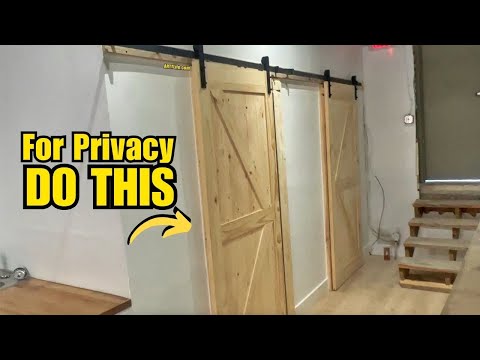
A bathroom barn door is a sliding door that operates on a track system mounted to the wall or ceiling, mimicking the classic agricultural barn door design. Unlike traditional hinged doors that swing inward or outward, a bathroom barn door glides along a horizontal rail to open and close. This design is especially valuable in bathrooms where floor space is limited or where a swinging door would interfere with fixtures like vanities, toilets, or shower enclosures. Modern interpretations range from solid wood panels to glass barn doors with frosted or textured finishes, allowing homeowners to balance privacy with natural light.
Benefits of Using a Barn Door in the Bathroom
The popularity of barn doors in bathroom design is not just a trend — it is rooted in genuine practical and aesthetic advantages.
Space Efficiency
A barn door slides parallel to the wall rather than swinging into the room, which means you reclaim every inch of floor space. In a small bathroom, this can make a dramatic difference in how the room feels and functions.
Visual Statement
A barn door bathroom vanity setup or a statement barn door behind a freestanding tub instantly becomes a focal point. The texture, grain, and finish of the door add layers of visual interest that a standard flush door simply cannot provide.
Versatility of Style
Barn doors complement a wide range of design aesthetics — from farmhouse and rustic to industrial, mid-century modern, and even minimalist contemporary.
Privacy and Light Control
With options like frosted glass inserts, slatted designs, or fully paneled construction, you can dial in exactly how much privacy and light you need for your bathroom environment.
Types of Bathroom Barn Doors
Not all barn doors are created equal, and choosing the right type depends on your bathroom’s layout, moisture levels, and design goals.
- Solid Wood Barn Doors — The most traditional option. Common species include oak, pine, cedar, and walnut. These offer excellent insulation and a warm, organic feel. They require a moisture-resistant finish or sealant for bathroom use.
- Glass Barn Doors — Featuring clear, frosted, or textured glass panels set within wood or metal frames. These are ideal for bathrooms where you want to preserve natural light while still maintaining a sense of separation from the rest of the home.
- Louver Barn Doors — Made with angled slats that allow airflow while providing visual screening. These work well in bathrooms that need ventilation and a relaxed, coastal vibe.
- Metal and Frame Barn Doors — Constructed from steel or aluminum frames with glass or wood inlays. These lean into an industrial aesthetic and tend to be highly durable in humid environments.
How to Choose the Right Bathroom Barn Door
Selecting the perfect barn door involves evaluating several factors that go well beyond appearance.
Moisture Resistance
Bathrooms are high-humidity environments. If you choose solid wood, ensure it is properly sealed with a marine-grade polyurethane or a waterproof lacquer. Alternatively, metal-framed glass doors inherently resist moisture damage and are often the preferred choice for shower-adjacent installations.
Track System
The track is the backbone of your barn door. Ceiling-mounted barn door tracks offer a clean, seamless look and work well when wall space above the door is limited. Wall-mounted tracks are easier to install but require sufficient wall space and may slightly reduce the effective opening width. Consider a bypass track system if you have two doors that need to slide past each other.
Door Dimensions
Standard barn door widths range from 24 to 36 inches for single doors, with double configurations spanning up to 72 inches. Measure your doorway carefully and account for the track’s return space, which typically requires an additional 6 to 12 inches beyond the door width on one side.
Hardware and Finish
Choose barn door hardware — including rollers, handles, and end stops — that complements your bathroom’s faucet finishes, lighting fixtures, and cabinet hardware. Matching brushed nickel, matte black, or oil-rubbed bronze hardware creates a cohesive design language throughout the space.
Comparison: Bathroom Barn Door Materials
| Material | Moisture Resistance | Style | Maintenance Level | Cost Range |
| Solid Wood | Low to Moderate (with sealant) | Rustic, Farmhouse, Traditional | Medium — needs resealing every 1–2 years | $300–$1,200 |
| Frosted Glass | High | Modern, Minimalist, Industrial | Low — wipe with glass cleaner | $400–$1,500 |
| Metal Frame with Wood Panel | Moderate to High | Industrial, Contemporary | Low — wipe frame, inspect seals | $350–$1,100 |
| Louver (Vinyl or Composite) | High | Coastal, Casual, Tropical | Very Low — no refinishing needed | $250–$800 |
| Reclaimed Barn Board | Moderate (depends on finish) | Rustic, Shabby Chic, Vintage | Medium — periodic resealing | $500–$1,800 |
Installation Tips for Bathroom Barn Doors
Proper installation is the difference between a barn door that operates smoothly for years and one that jams, squeaks, or pulls away from the wall. Here are expert-level recommendations:
- Locate wall studs or use a reinforced backing plate. Barn door tracks bear significant lateral load. Mounting into studs or using a heavy-duty drywall anchor system rated for the door’s weight prevents the track from pulling out of the wall over time.
- Ensure the track is perfectly level. Even a slight misalignment will cause the door to rub against the floor or frame, leading to drag, noise, and premature wear on the rollers.
- Use soft-close rollers. These reduce the impact when the door reaches the end of its travel, protecting both the door and the wall from damage.
- Install a guide or floor retainer. A floor guide keeps the door from swinging outward, which is especially important in bathrooms where the door may be pushed by wet feet or accidental bumps.
- Allow for expansion. Wood expands and contracts with humidity changes. Leave a small gap between the door and the floor or frame to prevent swelling and sticking during high-humidity months.
Common Mistakes to Avoid

Even experienced DIYers sometimes make mistakes when installing a bathroom barn door. Being aware of these pitfalls saves time and money:
- Choosing a door material that is not rated for humid environments, leading to warping, swelling, or mold growth.
- Underestimating the track length needed, resulting in the door not clearing the opening fully.
- Skipping a proper sealant on wood doors, which allows moisture to penetrate the grain and cause long-term structural damage.
- Using lightweight hardware on a heavy solid wood door, which leads to roller failure and uneven sliding.
- Ignoring the return space needed at the end of the track, which can cause the door to collide with the wall or other fixtures.
Long-Tail Keyword FAQs
What is the best material for a bathroom barn door in a high-moisture environment?
Frosted glass with a metal frame is widely considered the best choice for high-moisture bathrooms. Glass does not absorb humidity, does not warp, and resists mold growth. If you prefer the warmth of wood, choose a species like cedar or teak, and apply a marine-grade waterproof sealant to every surface, including edges and cuts.
Can a barn door fully seal a bathroom for privacy?
A standard barn door provides partial privacy but does not create an airtight or fully soundproof seal because of the gap on the latch side. For enhanced privacy, consider adding a brush seal or an inflatable weatherstrip along the edge of the door. You can also choose a barn door with a wider panel or a glass insert that reaches closer to the floor to minimize the visible gap.
How much does it cost to install a barn door in a bathroom?
The total cost for a bathroom barn door installation typically ranges from $400 to $2,000, depending on the material, door size, and hardware quality. A basic solid wood door with standard metal track hardware falls around $400–$800 for materials, while a custom glass barn door with premium brushed-nickel hardware can reach $1,500–$2,000 or more. Professional installation adds approximately $150–$400 to the project.
Do barn doors save space compared to standard bathroom doors?
Yes, barn doors save significant space because they slide parallel to the wall rather than swinging into the room. In a small bathroom, a standard 30-inch swinging door requires approximately 30 inches of clearance in front of the door when open. A barn door eliminates this requirement entirely, freeing up floor area that can be used for a vanity, storage cabinet, or simply more comfortable movement space.
How do I maintain a barn door in a bathroom long-term?
Inspect the track and rollers every six months, cleaning any dust, hair, or soap scum buildup that can impede smooth operation. For wooden doors, check the sealant annually and recoat as needed. Tighten roller mounting bolts periodically, and lubricate the track with a silicone-based lubricant — not WD-40 — to prevent gumming up and residue accumulation in a humid bathroom.
Conclusion
A bathroom barn door is far more than a decorative accent — it is a functional, space-smart, and style-forward solution that transforms the way your bathroom looks and feels. From selecting moisture-appropriate materials and the right track system to executing a precise installation, every detail matters. By considering your bathroom’s size, humidity levels, and design direction, you can choose a barn door that not only fits your space but elevates the entire room. Whether you gravitate toward the warmth of solid reclaimed wood or the sleek transparency of frosted glass, a well-chosen barn door will serve your bathroom beautifully for years to come. Invest in quality hardware, seal your materials properly, and enjoy a door that performs as impressively as it looks.