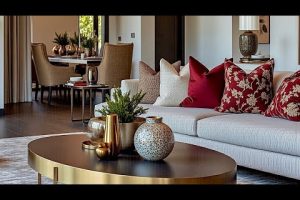
When it comes to transforming a house into a home, understanding the spectrum of different interior design styles can make all the difference between a space that feels random and one that tells your personal story with intention. Whether you are a first-time homeowner browsing furniture options, an interior design enthusiast refining your aesthetic eye, or a seasoned professional curating a client’s dream home, knowing what each style represents — and more importantly, how to blend elements — gives you a powerful creative edge. This guide breaks down the most popular interior design styles in depth, explores their defining characteristics, and offers practical tips to help you identify, adopt, or mix styles with confidence.
Why Understanding Interior Design Styles Matters
Interior design is far more than choosing paint colors and hanging artwork. It encompasses spatial planning, material selection, lighting design, furniture placement, and color psychology. Each design style carries a distinct philosophy — some prioritize function, others emphasize visual drama, and many balance both. When you understand these underlying principles, you stop guessing and start designing with purpose. Recognizing the difference between mid-century modern and Scandinavian minimalism, for example, helps you source the right pieces and avoid costly mismatches that can derail a renovation budget.
15 Most Popular Interior Design Styles Explained
1. Mid-Century Modern
Rooted in the 1940s through 1960s, mid-century modern interior design is defined by clean lines, organic curves, and a seamless marriage of form and function. Think tapered wooden legs, walnut coffee tables, and geometric accent shapes. This style often features open floor plans, large windows for natural light, and a muted color palette punctuated by mustard yellow, teal, and burnt orange accents. Expert tip: authentic mid-century pieces from designers like Charles and Ray Eames or George Nelson command premium prices, but reproduction brands now offer faithful interpretations at accessible price points.
Scandinavian interior design emerged from the cold Nordic countries and centers on hygge — a Danish concept meaning cozy contentment. The hallmark features include light-colored woods like birch and pine, streamlined furniture with minimal ornamentation, and a near-monochrome base of whites and soft grays layered with textured throws and sheepskin rugs. Functionality is paramount; every item in a Scandinavian space serves a purpose. This style is exceptionally beginner-friendly because its simplicity leaves little room for error.
3. Industrial Interior Design
Inspired by converted warehouses and factories, industrial design embraces raw, unfinished aesthetics. Exposed brick walls, ductwork left visible, concrete flooring, and reclaimed wood beams define this style. Metal dominates the material palette — think black iron light fixtures, steel shelving, and wrought-iron furniture frames. The color scheme leans toward charcoal, slate gray, and deep espresso tones. Practical recommendation: if you live in a modern apartment without exposed infrastructure, use faux brick panels and metal accent lighting to simulate the industrial look without major construction.
4. Minimalist Interior Design
Minimalism goes beyond “less is more” — it is a deliberate lifestyle philosophy applied to space. Every object must earn its place. Clean geometry, monochromatic or near-monochromatic palettes, hidden storage, and generous negative space are the non-negotiable elements. Japanese design heavily influenced this movement, emphasizing the beauty of emptiness and the quality of a single, well-crafted object over abundance. Common mistake: many people confuse minimalism with an empty room. True minimalism still incorporates warmth through texture, lighting, and carefully selected statement pieces.
5. Bohemian Interior Design
Bohemian style — often shortened to “boho” — is an eclectic, free-spirited approach that rejects rigid rules. Layered textiles, mismatched patterns, vintage finds, macramé wall hangings, rattan furniture, and abundant plants create a warm, collected-over-time atmosphere. There is no “correct” color scheme in boho design; instead, it thrives on rich, saturated hues like deep terracotta, jewel tones, and earthy ochres. This style rewards treasure hunters who enjoy sourcing unique pieces from flea markets and artisan markets.
6. Traditional Interior Design
Traditional design draws from European décor traditions, particularly 18th and 19th century aesthetics. Symmetry, formal furniture arrangements, rich wood tones like mahogany and cherry, ornate molding, and classic patterns such as toile, damask, and floral chintz define this style. Color palettes tend toward deep burgundies, navy blues, forest greens, and warm creams. Advanced insight: layering heirloom pieces with contemporary lighting or modern art creates a “new traditional” look that feels timeless rather than dated.
7. Modern Farmhouse
Modern farmhouse design blends rural charm with contemporary clean lines. Shiplap walls, farmhouse sinks, open wooden shelving, and galvanized metal accents coexist with sleek sofas, minimalist fixtures, and a restrained neutral palette of white, gray, and warm beige. This style exploded in popularity through social media and continues to dominate residential renovation trends. The key to nailing modern farmhouse is balancing rustic elements with polished finishes so the space does not feel overly rustic or sterile.

8. Art Deco Interior Design
Art Deco originated in the 1920s and 1930s and is characterized by bold geometric patterns, lavish materials like marble and brass, mirrored surfaces, and symmetrical compositions. Luxurious velvet upholstery, chrome accents, and sunburst motifs are signature details. This style suits homeowners who want drama and opulence without veering into baroque excess. Designer trick: even one or two Art Deco statement pieces — a geometric mirror or a velvet accent chair — can anchor an entire room in this aesthetic.
9. Japandi Style
A relatively contemporary fusion, Japandi merges Japanese wabi-sabi philosophy with Scandinavian simplicity. The result is an understated, warm aesthetic that celebrates imperfect natural materials — hand-thrown ceramics, unfinished wood, linen textiles, and stone accents. Muted earth tones, rounded furniture forms, and intentional negative space define Japandi interiors. This style is gaining traction among minimalists who find pure Scandinavian design too cold and pure Japanese design too austere.
10. Coastal Interior Design
Coastal design evokes beach living through a light, airy, and relaxed palette. White-washed wood, blue-and-white stripes, jute rugs, weathered driftwood accents, and plenty of natural light create a serene atmosphere. The style avoids heavy or dark furniture in favor of breathable fabrics like cotton and linen. Note for beginners: coastal does not mean “nautical” — avoid overdoing anchor motifs or ship wheels, which can make a space feel like a themed restaurant rather than an elegant retreat.

Comparing Key Interior Design Styles at a Glance
| Style | Color Palette | Key Materials | Best Suited For |
| Mid-Century Modern | Mustard, teal, olive, warm white | Walnut, teak, leather, brass | Open lofts and mid-size living rooms |
| Scandinavian | White, light gray, pale wood tones | Birch, pine, wool, sheepskin | Small apartments and bright spaces |
| Industrial | Charcoal, black, exposed brick red | Concrete, steel, reclaimed wood | Warehouse-style and urban lofts |
| Minimalist | White, beige, soft gray, black | Glass, polished concrete, linen | Clutter-free, organized households |
| Bohemian | Terracotta, jewel tones, earthy hues | Rattan, macramé, velvet, woven textiles | Creative individuals and eclectic collectors |
| Traditional | Burgundy, navy, cream, forest green | Mahogany, cherry, silk, brocade | Formal living areas and heritage homes |
| Modern Farmhouse | White, beige, soft gray, sage green | Shiplap, galvanized metal, reclaimed wood | Family homes and suburban residences |
| Art Deco | Black, gold, emerald, cream | Marble, brass, mirrored glass, velvet | Luxury apartments and dining rooms |
| Japandi | Muted earth, warm white, stone gray | Linen, unfinished wood, stone, ceramics | Quiet bedrooms and meditation spaces |
| Coastal | White, sky blue, sand, seafoam | Jute, driftwood, cotton, rattan | Sunlit rooms and beachfront properties |
How to Choose the Right Interior Design Style for Your Home
Selecting a design style should not be an impulsive decision based on a single Pinterest board. Start by gathering inspiration across platforms like Houzz, ArchDaily, and Instagram, then identify recurring themes in the images that resonate most with you. Ask yourself three questions: What mood do I want my home to evoke? Which materials feel most authentic to my lifestyle? Am I drawn to symmetry or asymmetry? The answers will naturally guide you toward a primary style. Once you have your foundation style, you can introduce secondary elements from other aesthetics — a bohemian rug in a minimalist room, for instance, or a mid-century modern chair in a Scandinavian living area.
Expert Tips for Successfully Blending Interior Design Styles
- Start with a 60-30-10 rule. Use your dominant style for 60% of the room — walls, large furniture, flooring. The secondary style gets 30% — accent chairs, window treatments, area rugs. The remaining 10% comes from a contrasting style through decorative accessories like throw pillows, vases, or artwork.
- Unify through color. A consistent color palette is the strongest thread that ties disparate styles together. Even if your furniture spans three different aesthetics, a shared neutral base keeps the space cohesive.
- Match textures, not patterns. Mixing a linen sofa with a leather armchair works because both materials share a tactile quality, even though their visual patterns differ wildly.
- Use lighting as a bridge. A single lighting style — such as warm Edison bulbs or clean geometric pendants — can subtly connect elements from different design traditions.
- Edit ruthlessly. The most common pitfall in blending styles is over-accessorizing. Step back, remove half of what you have placed, and reassess. Restraint elevates any design approach.
Frequently Asked Questions (FAQs)
What interior design style is best for small apartments?
Scandinavian and minimalist styles are the most effective for small apartments because they emphasize light colors, clean lines, and multifunctional furniture that maximizes square footage. Avoid heavy, oversized pieces that overwhelm compact spaces. Instead, opt for wall-mounted storage, nesting tables, and mirrors that reflect natural light to create an illusion of openness.
How do I know if my home suits a traditional interior design style?
Traditional interior design works best in homes with architectural details like crown molding, built-in shelving, fireplace mantels, or formal dining rooms. If your property has high ceilings and symmetrical window placements, traditional décor will complement the existing architecture rather than fighting against it. Homes built before 1940 often naturally lend themselves to this style.
Can I mix mid-century modern with bohemian design?
Absolutely. Mid-century modern and bohemian share an appreciation for natural materials and organic shapes, making them surprisingly compatible. Anchor the room with mid-century furniture — a teak credenza or a sleek Eames-inspired sofa — then layer in bohemian elements like a macramé wall hanging, textured throw blankets, and potted plants. The key is to maintain a cohesive color palette so the contrast feels intentional rather than chaotic.
What is the easiest interior design style for beginners to execute?
Scandinavian and modern farmhouse are widely considered the most beginner-friendly styles. Scandinavian design requires fewer decorative objects and relies on simplicity, while modern farmhouse uses readily available materials like shiplap and galvanized metal that are easy to source at mainstream retailers. Both styles forgive small budget constraints and allow for gradual accumulation of pieces over time.
How can I update a traditional living room without a full renovation?
You can modernize a traditional space incrementally by swapping heavy velvet drapes for lightweight linen curtains, replacing ornate table lamps with sleek geometric fixtures, introducing a bold contemporary piece of wall art, and repainting walls in a lighter, modern neutral like warm white or soft sage. These targeted changes preserve the room’s architectural character while updating its visual language for a contemporary sensibility.
Final Thoughts on Choosing Your Interior Design Style
The world of interior design styles offers something for every personality, budget, and lifestyle. Whether you gravitate toward the disciplined elegance of Scandinavian minimalism, the warm eclecticism of bohemian design, or the sophisticated timelessness of traditional décor, the most important principle remains the same: your home should reflect who you are. Use this guide as a launching point, trust your instincts, and remember that great interior design is never about perfection — it is about creating a space where you feel genuinely at home. Start with one room, experiment boldly, and let your personal style evolve naturally as you discover what resonates most deeply with your daily life.