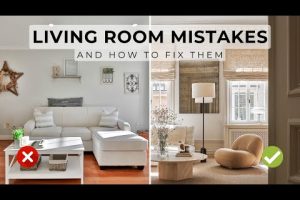
Transforming your living room into a sanctuary of style and comfort requires more than just picking out a new sofa or hanging a few pictures on the wall. Designing ideas for living room spaces demand a strategic approach that balances aesthetics with daily functionality. Whether you are starting from scratch or simply looking to refresh your current environment, understanding the core principles of interior design can elevate your home from ordinary to extraordinary. The living room is often the first room guests see and the last place you retire to at the end of the day, making it the heart of the home. The best living room design ideas focus on creating an atmosphere that reflects your personality while ensuring the space remains welcoming and practical for both family gatherings and entertaining guests. This guide walks you through every stage of the design process, from foundational layout principles to advanced styling techniques, ensuring you have the tools to craft a living room that truly feels like yours.
Laying the Foundation: Your Living Room Design Blueprint
Before you purchase a single piece of furniture, you need a clear blueprint. Designing ideas for living room spaces start with understanding the architectural constraints and opportunities within your home. A successful layout dictates how you move through the room and how the space feels on a daily basis. Without this foundation, even the most expensive furniture will fail to create the desired atmosphere. Consider how the room transitions to adjacent spaces like the dining area or kitchen, ensuring the flow feels natural and uninterrupted.
Evaluating Your Space for Living Room Design Ideas
The first step in any interior design living room project is evaluating the physical footprint. Consider the location of windows, doors, and architectural features like fireplaces or built-in shelving. These elements dictate your focal points and traffic flow. Measure your room carefully, noting the placement of electrical outlets, vents, and any structural columns. These details will heavily influence where you place your largest pieces of furniture.
- Identify the focal point: Every room needs a centerpiece, whether it is a stunning window view, a beautiful fireplace, or a bold piece of art.
- Map out traffic lanes: Ensure walkways are at least 30 inches wide to prevent congestion and allow for comfortable movement throughout the space.
- Consider natural light: North-facing rooms need warmer palettes to compensate for cooler light, while south-facing rooms can easily handle cooler, modern tones.
Defining Your Style: From Minimalist to Maximalist

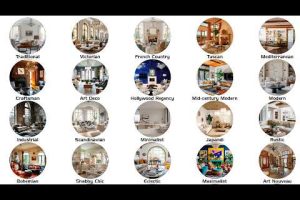
Choosing a design direction is where the excitement of living room design ideas truly comes alive. Your style should feel authentic to you, not just a trend you saw on social media last week. Understanding different aesthetic categories helps you narrow down your choices for furniture, textiles, and decor, ensuring your space feels cohesive rather than chaotic.
Scandinavian design remains a favorite for those seeking a cozy living room layout that feels serene and uncluttered. This style emphasizes clean lines, functional furniture, and a neutral color palette punctuated by natural textures like wool, linen, and light wood. The goal is to create a warm, hygge-inspired environment that prioritizes comfort without sacrificing style.
Embracing Bold Maximalism for Statement Spaces
On the opposite end of the spectrum, maximalism celebrates individuality and abundance. If you love collecting art, vintage pieces, and vibrant textiles, designing ideas for living room spaces that lean into maximalism allow you to showcase your personality without restraint. Mix patterns aggressively, layer different rugs, and curate gallery walls that tell your unique story.
Industrial and Mid-Century Modern Influences
For those who appreciate a more structured aesthetic, industrial design brings an edgy, urban vibe through exposed brick, metal fixtures, and reclaimed wood. Alternatively, mid-century modern design offers a timeless appeal with its clean lines, organic curves, and a focus on functional form. Both styles provide excellent frameworks for a sophisticated interior design living room that stands the test of time.
Furniture Arrangement: The Art of Flow and Function
The placement of your furniture is the backbone of your living room design. Poor arrangement can make a large room feel empty or a small space feel cramped. Modern living room decor relies heavily on creating conversation areas and ensuring pathways remain unobstructed. The right furniture arrangement encourages interaction and makes the best use of your available square footage.
Small Space Strategies vs. Open-Concept Grandeur
Different living room sizes require entirely different approaches to furniture arrangement. What works for a sprawling open-concept loft will fail miserably in a compact apartment living room. Understanding the scale and proportion of your furniture relative to the room is the difference between a welcoming space and a cluttered mess.
| Space Type | Key Strategy | Recommended Furniture |
| Small Living Room | Maximize vertical space and use dual-purpose pieces | Sleeper sofas, nesting tables, wall-mounted shelves |
| Medium Living Room | Anchor the room with a central rug | L-shaped sectionals, standard coffee tables |
| Large Open-Concept | Define zones using furniture placement and area rugs | Multiple seating groups, oversized coffee tables |
- Float the furniture: Avoid pushing all sofas against the walls. Pulling seating into the center of the room encourages conversation and makes the space feel larger.
- Scale is crucial: Oversized furniture in a small room is a common beginner mistake that restricts movement and creates visual clutter.
- Use rugs to anchor zones: In open layouts, a properly sized rug defines the living area and ties the furniture grouping together visually.
Elevating the Aesthetics: Color, Texture, and Lighting
Once your layout is set, it is time to infuse personality through color and texture. The right interior design living room palette sets the emotional tone of the space. Designing ideas for living room environments thrive when there is a deliberate interplay between walls, textiles, and decorative objects. These elements work together to evoke specific feelings and set the mood of the room.
Crafting the Perfect Color Palette for Your Living Room
Color psychology plays a massive role in how we perceive our living spaces. Warm tones like terracotta, mustard, and deep blues create intimacy and warmth, while light grays and whites make a room feel expansive and airy. When selecting a color palette for living rooms, choose a dominant neutral and layer in accent colors through throw pillows, curtains, and decorative accessories.
Layering Lighting for the Ultimate Ambiance

Overhead lighting alone is a common mistake in modern living room decor. True luxury and depth come from layered lighting. Ambient light sets the overall mood, task lighting provides functionality for reading or working, and accent lighting highlights architectural details or prized artwork. Incorporating dimmers allows you to adjust the brightness to suit any occasion.
- Ambient lighting: Use dimmable ceiling fixtures or a statement chandelier to wash the room in light.
- Task lighting: Floor lamps placed next to seating areas provide focused light for reading or knitting.
- Accent lighting: Wall sconces or picture lights draw the eye to specific features and add dimension.
Expert Tips for Advanced Living Room Transformations
Moving beyond the basics, advanced design techniques separate a well-decorated room from a truly stunning one. For those ready to elevate their living room design ideas, consider incorporating architectural elements and sustainable materials that stand the test of time. These professional strategies ensure your space remains stylish and functional for years to come.
Biophilic Design and Natural Materials
Biophilic design integrates natural elements into the built environment, reducing stress and improving overall well-being. Incorporating indoor plants, natural wood tones, and stone textures brings the outdoors inside, creating a rejuvenating atmosphere that is currently dominating modern living room concepts. These elements add warmth and a sense of tranquility to your interior design living room.
The Power of Statement Furniture and Custom Built-Ins
A single statement piece can anchor an entire room. Whether it is an oversized sculptural armchair or a vintage Persian rug, these pieces serve as conversation starters. Investing in a few high-quality, bold items often yields better results than filling the room with inexpensive, generic decor. Additionally, custom built-ins maximize storage and seamlessly integrate the room’s architecture with its design aesthetic.
Bringing Your Vision to Life
Designing ideas for living room spaces is a deeply personal journey that blends practicality with artistic expression. By focusing on thoughtful furniture arrangement, intentional color choices, and layered lighting, you can create a living room design that not only looks beautiful but also functions seamlessly for your lifestyle. Start with the basics, experiment with your style, and remember that the best living room is one that feels authentically yours. Take these concepts, trust your instincts, and watch your living room transform into the welcoming heart of your home.
Frequently Asked Questions About Living Room Design
What are the best living room design ideas for small spaces?
When designing ideas for living room areas with limited square footage, prioritize multi-functional furniture and strategic mirrors to create an illusion of depth. A light color palette for living rooms makes the space feel larger, while keeping sightlines open ensures the room doesn’t feel cramped. Use vertical storage solutions to keep the floor clear, and choose furniture with exposed legs to create a sense of airiness and lightness.
How do I choose a color palette for my living room?
Selecting the right colors for your interior design living room starts with understanding natural light and existing fixed elements like flooring or countertops. For a cozy aesthetic, choose warm neutrals or deep jewel tones for a color palette for living rooms that feels inviting. Always test paint swatches on the wall before committing, as colors can look drastically different depending on the lighting throughout the day.
What are the latest living room furniture arrangement trends?
Current living room furniture arrangement trends lean toward creating intimate conversation areas rather than pushing everything against the walls. The modern living room decor trend features the “floating” sofa setup, where seating is pulled away from the wall to define a central zone. Incorporating a mix of seating heights and varied textures adds depth and visual interest, making the room feel curated rather than cookie-cutter.
How can I improve the lighting in my living room design?
Improving lighting in your living room design requires layering different light sources at varying heights to eliminate harsh shadows. Ditch the single overhead fixture and add floor lamps, table lamps, and LED strip lighting in dark corners. Smart bulbs allow you to adjust the brightness and color temperature to suit different moods, making it one of the most impactful interior design living room upgrades you can implement today.
What makes a living room feel cozy and inviting?
A cozy living room layout relies heavily on texture, warmth, and intimacy. Plush area rugs, soft throw blankets, and warm-toned lighting instantly make a space feel inviting and comfortable. Designing ideas for living room coziness also include creating intimate nooks with comfortable seating and ensuring the room has soft, diffused lighting rather than harsh, direct beams that can feel clinical and unwelcoming.