When you walk into a room that feels elegant yet approachable — where soft colors meet ornate details, and every piece of furniture tells a story of craftsmanship and refinement — you are likely looking at the magic of Edwardian interior design. Often overshadowed by the heavier, more dramatic Victorian era that preceded it, the Edwardian style carved out its own identity in the early twentieth century and continues to inspire homeowners, designers, and architects today. If you have ever wondered what gives period homes that breath of fresh air, that delicate balance between opulence and lightness, the answer lies in Edwardian design principles. This guide dives deep into the world of ED interior design, exploring its history, defining characteristics, color palettes, furniture choices, and practical tips for bringing this timeless aesthetic into modern spaces.
What Is Edwardian Interior Design?
Edwardian interior design refers to the decorative arts and architectural styling that flourished during the reign of King Edward VII, roughly between 1901 and 1910. However, the influence of the style extended well beyond those years, often bleeding into the 1920s. The era emerged as a reaction against the heavy, dark, and densely ornamented Victorian interiors that had dominated the previous decades. The Edwardian period embraced lighter tones, more open floor plans, and a renewed interest in classical influences filtered through a modern sensibility. Think of it as the interior design world taking a deep breath of fresh air after the candlelit heaviness of the Victorian age.
Edwardian interiors are defined by their emphasis on light, airiness, and craftsmanship. The industrial revolution had introduced new materials and manufacturing techniques, and designers eagerly adopted these innovations while maintaining a strong connection to traditional artistry. This blend of old-world charm and new-world practicality is what makes ED interior design so enduringly appealing.
Key Characteristics of Edwardian Interior Design
Understanding the core elements of Edwardian design is essential whether you are planning a full renovation or simply want to introduce Edwardian-inspired accents into your home. Here are the defining features:
- Light and airy color palettes — Pale creams, soft whites, sage greens, lavender, and powder blues dominate Edwardian interiors.
- Ornamental plasterwork — Decorative ceiling roses, cornicing, and dado rails are hallmarks of the style.
- Open floor plans — Unlike the compartmentalized Victorian layout, Edwardian homes favored better flow between rooms.
- Large windows — Bay windows, sash windows, and stained glass panels allowed natural light to flood interiors.
- Furniture with refined lines — Lighter, more streamlined pieces replaced the heavy carved furniture of the Victorian era.
- Fabrics and textiles — Floral wallpapers, velvet drapes, and lace accents added warmth and texture.
- Use of new materials — Bamboo, wicker, and polished wood were introduced alongside traditional mahogany and walnut.

Edwardian vs. Victorian Interior Design: Key Differences
One of the most common comparisons people make is between Edwardian and Victorian interiors. While both styles share a love of ornamentation, they differ significantly in mood, color, and spatial philosophy.
| Feature | Edwardian Interior Design | Victorian Interior Design |
| Time Period | 1901 – 1920s | 1837 – 1901 |
| Color Palette | Light, pastel, airy | Dark, rich, bold |
| Furniture Style | Lighter, streamlined | Heavy, ornate carved |
| Windows | Large bay windows, stained glass | Smaller windows, heavy curtains |
| Floor Plans | More open and connected | Compartmentalized rooms |
| Wall Decor | Floral wallpapers, pale tones | Dark wallpapers, heavy drapes |
| Overall Mood | Fresh, elegant, light | Dramatic, dense, opulent |
The table above highlights why many homeowners gravitate toward Edwardian aesthetics when they want period charm without the oppressive darkness that Victorian interiors can sometimes convey.
Color Palettes in Edwardian Design
The Edwardian color palette is one of the style’s most recognizable features. Pale neutrals formed the foundation, while accent colors added personality without overwhelming the space. Soft greens inspired by garden views, muted lavenders, dusty pinks, and gentle golds were all popular choices. Walls were frequently painted in cream or off-white, and floral wallpaper patterns in matching light tones adorned rooms from ceiling to dado rail.
When selecting colors for an Edwardian-inspired room, always prioritize soft contrast over stark contrast. The goal is to create a harmonious, serene atmosphere that feels both sophisticated and welcoming. Avoid stark whites — instead, opt for warm whites and pale creams that carry a hint of warmth and depth.
Furniture and Furnishings
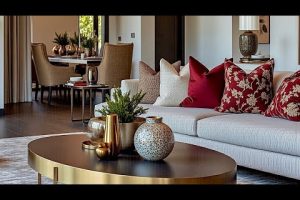
Edwardian furniture strikes a beautiful balance between comfort and elegance. Pieces tend to feature lighter wood tones, graceful curved lines, and understated upholstery. Some of the most iconic furniture types associated with the era include:
- Chesterfield-inspired sofas — Tufted velvet seating in deep greens, burgundies, or creams.
- Refined dining chairs — Shaker-influenced designs with delicate turned legs and cane backs.
- Wicker and rattan furniture — Especially popular for conservatories and sunrooms.
- Oak and walnut sideboards — Functional yet beautifully crafted display pieces.
- Round pedestal tables — Lightweight and elegant, perfect for drawing rooms.
The key to authentic Edwardian furniture is restraint. Unlike the Victorian obsession with carved mahogany and heavy upholstery, Edwardian pieces celebrated simplicity and proportion. Look for furniture with clean lines, subtle curves, and quality craftsmanship.
Fabrics and Textiles
Textiles play a crucial role in bringing Edwardian interiors to life. Floral chintz, linen blends, velvet, and lace were all extensively used. Curtains were often layered — a sheer under-curtain beneath heavier drapes — allowing homeowners to control light while maintaining a sense of softness and luxury. Upholstered chairs and settees frequently featured floral or damask patterns in muted, coordinating tones.
Materials and Textures
Edwardian designers embraced the industrial innovations of their time, incorporating materials that were previously reserved for more utilitarian purposes. Bamboo and wicker furniture became fashionable, bringing an exotic, natural element into drawing rooms. Polished hardwood floors — often oak or parquet — served as a refined foundation, frequently layered with Persian or Oriental rugs that added warmth and pattern. Tile work, particularly encaustic tiles in muted geometric patterns, was popular for hallways and kitchens.
How to Achieve the Edwardian Look in Modern Homes
You do not need a period property to enjoy Edwardian interior design. Here are practical steps to incorporate this style into a contemporary space:
- Start with paint — Choose a soft, warm white or pale cream for walls. This immediately sets the Edwardian tone.
- Add decorative plasterwork — Ceiling roses and cornicing are surprisingly affordable and instantly add period character.
- Select the right wallpaper — Look for floral or damask patterns in light, harmonious colors. A dado rail is the perfect height for a wallpaper accent on the lower half of the wall.
- Invest in statement lighting — Pendant lamps with etched glass, Tiffany-style stained glass fixtures, and brass table lamps are quintessential Edwardian choices.
- Layer textiles thoughtfully — Combine sheer curtains, velvet cushions, and lace or chintz throws for layered texture.
- Choose furniture with light proportions — Avoid bulky, oversized pieces in favor of elegant, well-proportioned items.
- Incorporate plants — Large potted ferns, flowering plants, and trailing ivy bring the Edwardian love of gardens indoors.
Common Mistakes to Avoid
While embracing Edwardian design, certain pitfalls can undermine the authentic feel of the space. Overloading a room with dark furniture will make it feel heavy rather than light. Using too much contrast in wall colors can strip away the soft, harmonious quality that defines the style. Additionally, neglecting proper lighting — both natural and artificial — robs Edwardian interiors of their signature warmth and depth. The style thrives on balance, so every element should contribute to a cohesive, luminous whole.
Expert Tips for Authentic Edwardian Interiors
Professional interior designers who specialize in period styles often recommend the following strategies:
- Always test paint colors in natural light before committing — Edwardian palettes look different throughout the day.
- Mix reproduction and genuine antique pieces for an authentic yet lived-in feel.
- Pay attention to architectural details — period-style door handles, hinges, and light switches make a significant difference.
- Use rugs to define spaces in open-plan layouts, a technique Edwardian designers employed naturally.
- Incorporate subtle metallic accents — brass, gold, and polished nickel complement the Edwardian aesthetic without overpowering it.
Conclusion
Edwardian interior design remains one of the most versatile and timeless styles available to homeowners and designers alike. Its emphasis on light, color, craftsmanship, and comfort makes it equally suitable for heritage properties and modern apartments. Whether you are undertaking a full period restoration or simply introducing Edwardian-inspired elements into your existing décor, the principles of ED interior design offer a roadmap to creating spaces that feel both elegant and inviting. The beauty of this style lies in its ability to feel luxurious without being ostentatious — a balance that continues to resonate in contemporary design conversations.
Frequently Asked Questions
What distinguishes Edwardian interior design from Georgian interior design?
Georgian interior design, which spans the 18th century, is more symmetrical and formal, with heavier use of classical motifs like columns, pilasters, and elaborate plasterwork. Edwardian design is lighter, more relaxed, and influenced by the Arts and Crafts movement as well as early Art Nouveau. While Georgian interiors favor restrained elegance, Edwardian spaces feel more playful and airy.
Can Edwardian interior design work in small spaces?
Absolutely. In fact, the light color palettes and emphasis on natural light make Edwardian design particularly well-suited for smaller rooms. Use pale walls, mirrors to reflect light, and select furniture with exposed legs and compact proportions to maintain the sense of openness that defines the style.
What are the best wallpaper patterns for an Edwardian-style room?
Floral patterns in soft, muted tones are the quintessential Edwardian wallpaper choice. Damask patterns, toile de Jouy, and delicate geometric prints in colors like sage green, dusty pink, soft blue, and pale gold all work beautifully. Avoid high-contrast or bold modern prints, as they clash with the harmonious, gentle character of Edwardian design.
What lighting is most appropriate for Edwardian interior design?
Edwardian interiors benefit from warm, layered lighting. Tiffany-style stained glass pendant lights, brass chandeliers with etched glass shades, and table lamps with fabric or fringed shades are all excellent choices. Candles and candle-style wall sconces also contribute to the soft, romantic ambiance associated with the era.
How much does it cost to achieve an authentic Edwardian interior design look?
The cost varies widely depending on whether you invest in genuine period pieces or high-quality reproductions. Decorative plasterwork installation can range from $500 to $3,000 depending on room size, while period-appropriate furniture can range from moderate to high-end pricing. Paint, wallpaper, and textiles are generally the most affordable ways to begin transforming a space into an Edwardian-inspired retreat.