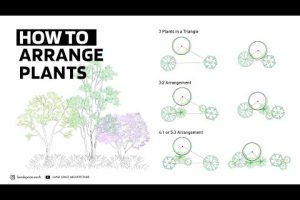
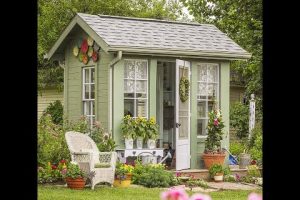
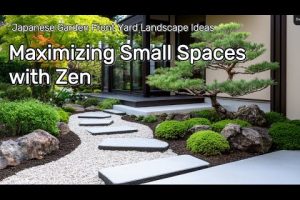
Landscape design is far more than arranging plants and pathways across a yard — it is a deliberate fusion of art, science, and environmental stewardship that transforms outdoor spaces into functional, beautiful, and sustainable environments. Whether you are a homeowner dreaming of a relaxing backyard retreat or a professional exploring landscape design principles for a commercial property, understanding the core concepts behind effective outdoor planning can make the difference between a space that merely looks pretty and one that truly thrives. This guide dives deep into the world of design landscape architecture, covering foundational knowledge, practical strategies, advanced techniques, and expert tips that will elevate any project from ordinary to extraordinary.
Understanding Landscape Design Fundamentals
At its core, landscape design is the process of organizing and modifying outdoor areas to achieve specific aesthetic, functional, and ecological goals. It involves a careful balance of hardscaping elements like patios, walls, and water features alongside softscaping components such as trees, shrubs, grasses, and flowering beds. The best landscape designs consider climate, soil conditions, sunlight exposure, drainage patterns, and the intended use of the space before a single plant goes into the ground.
What separates a mediocre design from a masterful one is the application of established design principles — unity, balance, proportion, rhythm, and focalization. These principles guide every decision, from the height of a retaining wall to the color palette of seasonal blooms. A well-structured landscape design also accounts for the long-term growth of plants, changes in weather patterns, and maintenance requirements, ensuring the space remains vibrant and functional for years to come.
Key Elements of Landscape Design
Every successful outdoor space is built on a foundation of core elements. Understanding these components gives you the vocabulary to articulate your vision and the technical knowledge to bring it to life.
Hardscaping: The Structural Backbone
Hardscaping refers to all the non-living, constructed features in a landscape. This includes:
- Patios and deck extensions
- Walkways and pathway materials like flagstone or gravel
- Retaining walls and terracing systems
- Fences, pergolas, and outdoor structures
- Water features such as fountains, ponds, and streams
- Outdoor lighting installations
Hardscaping provides the framework that organizes the entire landscape. Without thoughtful hardscaping, even the most beautiful plantings can feel chaotic or poorly defined.
Softscaping: Living Elements That Breathe Life
Softscaping encompasses all living components — trees, shrubs, perennials, annuals, ground covers, and lawns. The selection and placement of these elements determine the seasonal interest, texture, color, and ecological value of the design. Native plants are increasingly favored in modern landscape design because they require less water, support local pollinators, and adapt naturally to regional climate conditions.
Environmental Considerations
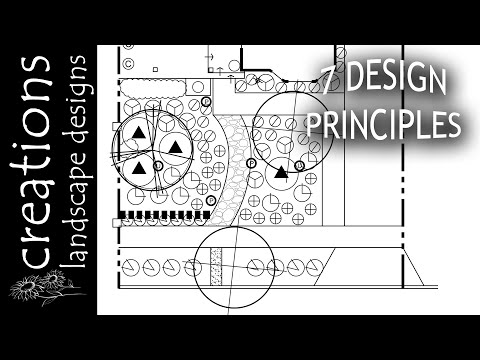
Sustainable landscape design now integrates stormwater management, rain gardens, permeable surfaces, and biodiversity support. These considerations are no longer optional — they are essential for responsible outdoor development.
The Landscape Design Process Step by Step
Professional landscape designers follow a systematic process that ensures every project is well-researched, carefully planned, and executed with precision. Here is what that process typically looks like:
- Site Analysis: Assess existing conditions including topography, soil type, microclimates, existing vegetation, utilities, and views.
- Client Needs Assessment: Interview the client to understand their lifestyle, preferences, budget, and functional requirements.
- Conceptual Design: Develop preliminary sketches that explore layout options, zoning, circulation patterns, and key focal points.
- Design Development: Refine the concept with detailed plans showing plant placement, hardscape dimensions, irrigation zones, and material selections.
- Construction Documentation: Produce final construction drawings and specifications that contractors can use for accurate bidding and installation.
- Implementation and Installation: Oversee the construction phase, ensuring the design is executed faithfully and to quality standards.
- Maintenance Planning: Establish a long-term care plan that keeps the landscape healthy and attractive throughout the seasons.

Skipping any of these steps can lead to costly mistakes, plant failure, or an outdoor space that does not meet the client’s expectations. A disciplined process is what separates professional landscape design from DIY guesswork.
Popular Landscape Design Styles and Trends
The world of landscape design offers a rich variety of styles, each with distinct characteristics and aesthetic philosophies. Here is a comparison of some of the most popular approaches currently shaping outdoor spaces:
| Style | Key Characteristics | Best Suited For | Maintenance Level |
| Modern Minimalist | Clean lines, geometric shapes, neutral tones, limited plant palette | Urban homes, contemporary architecture | Low to Moderate |
| Cottage Garden | Lush, informal plantings, mixed textures, vibrant colors, winding paths | Rural properties, traditional homes | Moderate to High |
| Xeriscape | Drought-tolerant plants, gravel and stone surfaces, water-wise irrigation | Arid climates, eco-conscious homeowners | Low |
| Japanese Zen | Simplicity, asymmetry, natural materials, water elements, moss gardens | Meditation spaces, small to medium yards | Moderate |
| Tropical Paradise | Bold foliage, vibrant blooms, layered canopies, water features | Warm climates, resort-style properties | Moderate to High |
| Edible Landscaping | Fruit trees, vegetable beds, herb gardens integrated aesthetically | Functional outdoor spaces, sustainability focus | Moderate |
The best approach is often a hybrid that blends elements from multiple styles to suit the specific site and the homeowner’s personality. Trends in landscape design increasingly lean toward sustainability, wildlife-friendly planting, outdoor living spaces, and the integration of smart irrigation technology.
Common Mistakes in Landscape Design and How to Avoid Them
Even experienced designers occasionally fall into traps that compromise the quality of their work. Here are the most frequent mistakes and practical solutions:
- Ignoring Scale and Proportion: Placing a small specimen tree next to a large facade creates visual imbalance. Always consider the mature size of plants and structures relative to the space.
- Neglecting Soil Preparation: Plants thrive in healthy soil. Skipping soil testing and amendment is one of the fastest ways to guarantee disappointing results.
- Overlooking Drainage: Poor water management leads to erosion, plant stress, and foundation damage. Incorporate grading, French drains, or rain gardens early in the design phase.
- Under-Planning for Growth: Plants fill out over time. A design that looks sparse in year one may feel overcrowded by year five if growth rates are not factored in.
- Failing to Consider Maintenance: A beautiful design means nothing if the client cannot maintain it. Be honest about time commitments and choose plants and materials that match the owner’s willingness to care for the space.
Tools and Resources for Modern Landscape Designers
Technology has revolutionized how designers plan and present their work. Leading software tools include AutoCAD for precise drafting, SketchUp for 3D modeling, and Lumion for photorealistic rendering. For planting design, software like Pro Landscape and Lands Design allows designers to visualize mature plantings before installation begins. Beyond digital tools, physical resources like soil maps, regional plant hardiness zone charts, and local extension office databases provide indispensable site-specific information that informs better design decisions.
Frequently Asked Questions
What are the key principles of design landscape planning for beginners?
Beginners should focus on five foundational principles: unity (ensuring all elements feel connected), balance (distributing visual weight evenly), focalization (creating a clear point of interest), proportion (matching sizes to the space), and rhythm (repeating elements to create flow). Start with a simple layout, choose a cohesive plant palette, and build outward from a strong central feature.
How much does professional landscape design typically cost?
Costs vary widely based on project scope and location. Basic design plans for a residential property typically range from $500 to $2,500, while comprehensive designs for larger commercial projects can exceed $10,000. Factors that influence cost include site complexity, the designer’s experience level, the number of revisions required, and the level of detail in the final construction drawings.
What is the best season to begin a landscape design project?
Fall and early winter are ideal times to begin the design process because designers have more availability, and you can plan ahead for spring installation. Reviewing the site during different seasons also reveals how sunlight, drainage, and views change throughout the year, leading to a more informed and accurate design.
Can I design my own landscape, or should I hire a professional?
Simple residential projects with basic planting and hardscaping can be successfully tackled as a DIY endeavor if you invest time in research. However, complex sites with grading challenges, drainage issues, or architectural integration almost always benefit from professional expertise. A landscape designer brings specialized knowledge of plant science, construction techniques, and spatial planning that significantly increases the likelihood of a successful outcome.
What plants work best for low-maintenance landscape design in temperate climates?
Native perennials like lavender, black-eyed Susan, and ornamental grasses such as switchgrass require minimal care once established. Evergreen shrubs like boxwood and juniper provide year-round structure without constant pruning. Mulched beds, drip irrigation systems, and proper plant spacing further reduce maintenance demands while keeping the landscape looking polished and healthy throughout every season.
Conclusion
Design landscape work is a rewarding discipline that blends creativity with technical knowledge to shape the outdoor environments where we live, work, and play. From understanding the fundamental principles of unity and proportion to mastering advanced techniques in sustainable site planning, the journey of becoming a skilled landscape designer is one of continuous learning and refinement. By applying the strategies, avoiding the common pitfalls, and staying current with emerging trends, anyone can create outdoor spaces that are not only visually stunning but also ecologically responsible and deeply personal. The most impactful landscape designs are those that honor the unique character of their site while reflecting the vision and lifestyle of the people who use them every day.