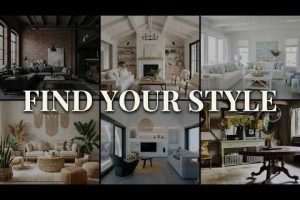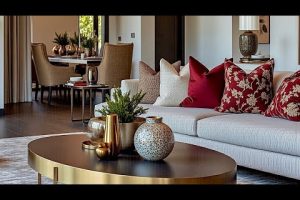
When it comes to transforming a house into a home, different types of interior design styles offer an exciting roadmap to finding the aesthetic that truly reflects who you are. Whether you are renovating a new apartment, refreshing a single room, or pulling together a full-home makeover, understanding the landscape of interior design styles empowers you to make confident decisions about color palettes, furniture selection, textures, and spatial arrangements. The world of interior design is far more nuanced than most people realize — each style carries its own philosophy, signature elements, and cultural roots that shape how a space feels, functions, and inspires. In this comprehensive guide, we will walk you through the most popular interior design styles, explain what distinguishes them from one another, and provide practical advice to help you identify the look that suits your lifestyle and preferences best.
Why Understanding Interior Design Styles Matters
Before diving into specific aesthetics, it helps to understand why interior design style categories matter in the first place. Design styles are not merely decorative preferences — they influence your daily mood, how you interact with your living space, and even how guests perceive your home. Choosing the right style creates visual coherence, ensures that your investments in furniture and décor align with a unified vision, and ultimately makes your home feel intentional rather than randomly assembled. For beginners, identifying a preferred style acts as a creative filter that simplifies countless decisions about paint colors, lighting fixtures, window treatments, and accent pieces.
Modern Interior Design Style
The modern interior design style originated in the early-to-mid 20th century and is often confused with contemporary design, though they are distinct. Modern design is rooted in the modernist movement and emphasizes clean lines, open floor plans, and a deliberate departure from ornamentation. Key characteristics include neutral color schemes punctuated by bold accent colors, sleek furniture with tapered legs, and an emphasis on function over decoration.
When decorating in the modern style, think:
- Neutral foundations — whites, grays, beiges, and taupes
- Open-concept layouts that connect the kitchen, dining, and living areas
- Statement lighting fixtures with geometric shapes
- Natural materials like glass, steel, and polished wood
- Uncluttered surfaces and intentional negative space
Contemporary Interior Design Style
While modern design refers to a specific historical period, contemporary interior design is always evolving and reflects what is popular right now. Contemporary interiors tend to be more fluid, often blending elements from multiple styles. You will notice softer curves, a broader color palette, and an emphasis on sustainability and eco-friendly materials. Think of contemporary design as the living, breathing evolution of modern aesthetics.
Traditional Interior Design Style
The traditional interior design style draws heavily from European décor of the 18th and 19th centuries. It is characterized by rich wood tones, elaborate furniture with carved details, formal seating arrangements, and a deep sense of symmetry. Traditional interiors often feature crown molding, wainscoting, fireplace mantels, and luxurious fabrics like velvet, silk, and brocade.
If you love the idea of a warm, classic, and refined home, traditional design may be your perfect match. Consider these elements:
- Dark-stained hardwood floors and furniture
- Rich color palettes — burgundy, navy, forest green, and gold
- Symmetrical artwork placement and balanced room layouts
- Ornate chandeliers and table lamps with fabric shades
- Layered textiles including throw pillows, area rugs, and curtains
Minimalist Interior Design
Minimalist interior design takes the principle of “less is more” to its logical extreme. Originating from Japanese design philosophy and later popularized by Scandinavian influences, minimalism focuses on stripping a space down to its essential elements. Every object in a minimalist room serves a purpose, and clutter is the enemy.
Core principles of minimalist design include:
- A restrained color palette — whites, soft grays, and earth tones
- Hidden storage solutions that keep surfaces clear
- Furniture with simple geometric forms and no decorative excess
- Abundant natural light and large, unadorned windows
- Quality over quantity — fewer, but better-made pieces
The Scandinavian interior design style has exploded in popularity over the past decade, and for good reason. Born in the Nordic countries of Denmark, Sweden, and Norway, this style marries functionality with warmth in a way that feels both inviting and sophisticated. Scandinavian interiors are defined by light-filled spaces, hygge-inspired comfort, and a deep appreciation for craftsmanship.
Hallmarks of Scandinavian design include light-colored wood floors, simple white walls, sheepskin throws, handmade ceramics, and pendant lighting that adds a soft glow. The style is particularly well-suited for people who value a calm, clutter-free environment with enough personality to feel genuinely welcoming rather than cold or sterile.
Industrial Interior Design Style
Industrial interior design takes its inspiration from converted factories and warehouses. This style embraces raw, unfinished aesthetics and celebrates the beauty of exposed building materials. If you love the look of brick walls, metal piping, reclaimed wood, and oversized furniture, industrial design offers a bold and commanding atmosphere.
Key features include:
- Exposed brick walls or industrial-style faux panels
- Pipe-based shelving and lighting fixtures
- Reclaimed wood flooring and furniture pieces
- A muted color palette with pops of deep rust, charcoal, and black
- Leather upholstery and distressed metal accents

Farmhouse Interior Design Style
The farmhouse interior design style has become a mainstream favorite, blending rustic charm with modern comforts. Think shaker cabinets, subway tile backsplashes, barn doors, and plenty of natural textures. Farmhouse design creates spaces that feel lived-in, cozy, and deeply personal — a perfect reflection of the “effortless elegance” trend that continues to dominate home décor culture.
Comparing Interior Design Styles at a Glance
To help you visualize the differences between popular design styles, here is a detailed comparison table:
| Style | Color Palette | Key Materials | Vibe |
| Modern | Neutrals with bold accents | Glass, steel, polished wood | Clean, sleek, forward-thinking |
| Contemporary | Broad, ever-evolving | Sustainable woods, metals, fabrics | Fluid, current, adaptable |
| Traditional | Rich — burgundy, navy, gold | Dark hardwood, velvet, silk | Formal, elegant, timeless |
| Minimalist | Whites, grays, soft earth tones | Concrete, white oak, linen | Calm, intentional, serene |
| Scandinavian | White, pale wood, soft pastels | Light wood, wool, ceramic | Warm, cozy, functional |
| Industrial | Charcoal, rust, black, brick red | Reclaimed wood, metal, leather | Raw, bold, urban |
| Farmhouse | White, cream, warm beige, sage | Wood, shiplap, woven textiles | Rustic, welcoming, cozy |
Expert Tips for Choosing the Right Interior Design Style
Selecting an interior design style can feel overwhelming, especially when you browse social media and see hundreds of compelling aesthetics. Here are some expert strategies to streamline your decision-making process:
- Create a mood board. Collect images of rooms you find appealing and look for recurring patterns in color, furniture shape, and texture.
- Consider your lifestyle. If you have young children or pets, overly delicate styles like French Country or Ultra-Modern may not hold up well in daily life. Choose durability alongside beauty.
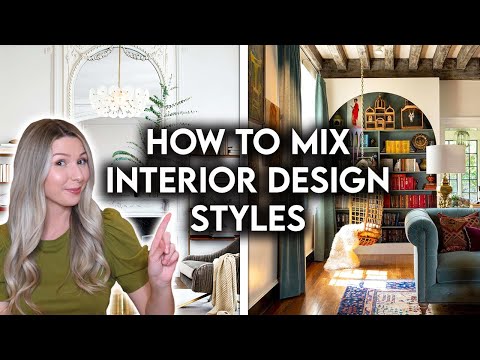
- Mix styles intentionally. Eclectic design allows you to combine elements from multiple styles, but ensure there is a unifying thread — consistent color tones or a shared material like wood — to keep the space cohesive.
- Start with one anchor piece. A statement rug, a signature sofa, or a striking light fixture can set the stylistic direction for an entire room.
- Think long-term. Trends come and go, but foundational design choices like flooring, wall finishes, and built-in cabinetry should stand the test of time.

How to Layer Multiple Interior Design Styles
For those who feel torn between two or more aesthetics, mixing interior design styles is not only acceptable — it is increasingly celebrated. The key to successful eclecticism lies in balance and restraint. Choose one dominant style that covers about 70% of your room, then introduce elements from a secondary style as accents. For example, a predominantly Scandinavian living room can gain character with a single industrial metal floor lamp or a traditional Persian rug. This layered approach adds depth and personal narrative to your space while avoiding the chaos of an uncoordinated mix.
Final Thoughts
Exploring the various types of interior design styles is one of the most rewarding aspects of creating a home that feels authentically yours. There is no single “correct” style — only the one that resonates with your taste, supports your daily routines, and makes you feel genuinely at ease every time you walk through the door. Take your time experimenting, trust your instincts, and remember that great design is always a reflection of the person living inside it.
Frequently Asked Questions (FAQs)
What are the top interior design styles for small apartments?
For smaller living spaces, minimalist and Scandinavian interior design styles are exceptionally effective because they prioritize open space, light color palettes, and functional furniture. These styles create an illusion of spaciousness while maintaining warmth and personality.
How do I transition from one interior design style to another?
Transitioning between interior design styles works best when you make gradual changes rather than overhauling everything at once. Start by swapping out soft furnishings like pillows and curtains, then introduce new artwork or lighting, and finally upgrade larger furniture pieces as your budget allows.
Can you combine modern and traditional interior design styles?
Absolutely. The modern-traditional hybrid is one of the most popular mixed styles today. Pair a sleek modern sofa with a traditional area rug, or place contemporary art inside a classic framed wall. The contrast creates visual interest and a layered, sophisticated look.
What interior design style is trending in 2024 and beyond?
Current design trends favor warm minimalism, quiet luxury, and biophilic design — an approach that integrates natural elements like indoor plants, natural light, and organic materials into the home. These styles emphasize well-being, sustainability, and understated elegance.
Is it expensive to commit to a specific interior design style?
Not necessarily. Every style can be adapted to fit various budget levels. For instance, achieving a minimalist look can be cost-effective with thrifted furniture and DIY painted walls, while traditional design might require more investment in high-quality antiques or custom-built cabinetry.