Interior design is far more than choosing paint colors or picking out furniture. It is the deliberate art and science of enhancing interior spaces to create healthier, more aesthetically pleasing environments for the people who inhabit them. Whether you are remodeling your first apartment or overseeing a commercial renovation, understanding the fundamentals of diseño interior can transform a generic room into a space that feels intentional, cohesive, and deeply personal. This comprehensive guide walks you through everything from foundational principles to advanced strategies that professional designers use every day.
What Is Interior Design and Why Does It Matter?
Interior design refers to the systematic planning, research, coordination, and management of interior improvement projects. It encompasses everything from spatial layout and architectural detailing to furniture selection, lighting design, color theory, and material specification. Unlike simple decoration, which focuses primarily on aesthetics, diseño interior integrates functionality, ergonomics, building codes, and the psychological impact of space on human behavior.
The importance of thoughtful interior design cannot be overstated. Studies consistently show that well-designed environments improve productivity, reduce stress, and enhance overall well-being. In residential settings, a carefully designed home promotes relaxation and connection. In commercial spaces, smart design drives foot traffic, improves employee morale, and strengthens brand identity. The principles remain the same regardless of scale — every square foot deserves intentional attention.
Core Principles That Drive Effective Interior Design
Every successful interior design project rests on a foundation of core principles. These are not rigid rules but rather guiding frameworks that help designers create balanced, harmonious spaces.
Balance and Visual Weight
Balance refers to the distribution of visual weight within a room. There are two types: symmetrical balance, where elements are mirrored on either side of a central axis, and asymmetrical balance, which uses differing elements of equal visual weight to create equilibrium. Symmetrical arrangements feel formal and orderly, while asymmetrical compositions offer a more dynamic, contemporary feel. Radial balance, where all elements radiate from a central focal point, works exceptionally well in dining rooms and circular spaces.
Color Theory and Emotional Impact
Color is one of the most powerful tools in an interior designer’s arsenal. Warm tones like reds, oranges, and yellows energize a space, while cool blues and greens promote calm and focus. Neutral palettes provide a sophisticated backdrop that lets architectural features and statement furniture take center stage. When building a color palette, designers typically follow a 60-30-10 rule: 60% dominant color, 30% secondary color, and 10% accent color. This ratio ensures visual harmony without monotony.
Lighting as a Functional and Atmospheric Tool

Lighting layers are essential to any interior design scheme. Ambient lighting provides overall illumination, task lighting supports specific activities like reading or cooking, and accent lighting highlights architectural details or artwork. Natural light should never be an afterthought — window treatments, reflective surfaces, and open floor plans all contribute to maximizing daylight. Smart lighting design adjusts the mood of a room throughout the day and significantly impacts energy efficiency.
Proportion, Scale, and Rhythm
Proportion deals with the size relationship between objects within a space, while scale refers to how furniture and elements relate to the room itself. A massive sectional in a small living room overwhelms the space, while miniature furniture in a grand hall feels lost. Rhythm in design is created through repetition, progression, and transition — think of how a series of increasing vase sizes on a shelf creates visual movement that draws the eye through the room.
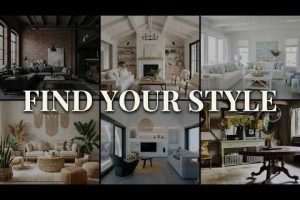
Popular Interior Design Styles at a Glance
Understanding different design styles helps you articulate your vision and make informed decisions. Below is a comparison of the most influential interior design styles currently shaping residential and commercial spaces.
| Style | Key Characteristics | Best Suited For | Common Materials |
| Modern Minimalist | Clean lines, neutral palette, functional furniture, open space | Small apartments, urban lofts | Glass, steel, concrete, light wood |
| Scandinavian | Warm minimalism, natural light, hygge atmosphere, organic textures | Colder climates, family homes | Light wood, wool, linen, leather |
| Industrial | Exposed brick, metal accents, reclaimed materials, raw finishes | Warehouse conversions, creative studios | Steel, reclaimed wood, concrete, iron |
| Mid-Century Modern | Retro silhouettes, tapered legs, organic curves, bold patterns | Nostalgic aesthetics, open floor plans | Teak, walnut, molded plastic, brass |
| Bohemian | Layered textures, vibrant colors, eclectic mix, handcrafted elements | Creative professionals, personal expression | Rattan, macramé, velvet, natural fibers |
| Traditional | Ornate details, rich woods, formal arrangements, classic elegance | Historic homes, formal living spaces | Mahogany, silk, marble, brocade |
Many contemporary spaces blend elements from multiple styles — a practice known as eclectic design. The key to making it work is maintaining a consistent thread, whether that is a unifying color palette, a recurring material, or a shared sense of proportion.
Step-by-Step Process for Planning Your Interior Design Project
Professional designers follow a structured process that ensures every decision is intentional and aligned with the client’s goals. Here is how the journey typically unfolds:
- Discovery and Needs Assessment — Discuss lifestyle, functional requirements, budget, and aesthetic preferences. This phase determines the project’s direction and scope.
- Space Planning and Measurements — Create accurate floor plans, analyze traffic flow, and identify focal points. Space planning is the backbone of any functional interior.
- Concept Development and Mood Boarding — Compile visual references, color swatches, material samples, and furniture inspirations into a cohesive design concept.
- Design Development — Refine the concept with detailed drawings, 3D renderings, and finalized material selections. This is where the vision becomes tangible.
- Procurement and Specification — Source furniture, fixtures, finishes, and furnishings within budget. Experienced designers leverage industry relationships to secure competitive pricing.
- Execution and Project Management — Oversee installation, coordinate with contractors and vendors, and solve problems as they arise during construction.
- Final Styling and Walkthrough — Add finishing touches, adjust placements based on real-world observation, and ensure every element works together seamlessly.
For beginners, partnering with an interior designer or using design software can dramatically streamline this process. Tools like SketchUp, RoomSketcher, and even free platforms like Floorplanner allow you to visualize layouts before committing to purchases.
Expert Tips That Elevate Any Space
Professional designers rely on strategies that amateurs often overlook. Here are practical recommendations that make an immediate difference:

- Start with the rug, not the sofa. Anchoring a seating area with a properly sized rug defines the conversation zone and grounds the entire room.
- Layer your lighting at three heights. Combine ceiling fixtures, mid-level table lamps, and low-level floor or accent lighting to create depth and warmth.
- Use mirrors strategically to amplify light. Placing a large mirror opposite a window doubles natural light and makes smaller rooms feel significantly more spacious.
- Vary heights and textures. A room where every piece is the same height feels flat. Mix tall bookshelves with low coffee tables and combine smooth surfaces with rough textures for visual interest.
- Invest in quality over quantity. A single well-crafted statement piece often has more impact than a room full of mediocre furniture.
- Consider the architecture first. Work with the existing structural features — exposed beams, arched doorways, large windows — rather than against them.
Common Interior Design Mistakes to Avoid
Even experienced homeowners fall into predictable traps. Recognizing these mistakes early saves time, money, and frustration:
- Skipping the floor plan. Jumping straight to furniture shopping without a layout leads to ill-fitting pieces and blocked traffic flow.
- Ignoring scale. Oversized furniture in a small room or delicate pieces in a large open space both create discomfort and visual imbalance.
- Choosing paint before fixtures. Paint colors should complement hardware, countertops, and flooring — not the other way around.
- Neglecting storage. Beautiful spaces that lack adequate storage quickly become cluttered. Built-ins, hidden compartments, and multifunctional furniture solve this problem elegantly.
- Following trends blindly. Trendy pieces date quickly. Anchor your design in timeless fundamentals and add trend-driven accents that are easy to swap out.
Interior Design for Different Space Types
The approach to diseño interior varies significantly depending on the type of space. Residential design prioritizes comfort, personalization, and daily livability. Commercial interior design focuses on brand alignment, customer experience, and regulatory compliance. Hospitality design, such as hotels and restaurants, emphasizes atmosphere, storytelling, and repeat visitation. Healthcare interiors require attention to infection control, patient comfort, and evidence-based design principles. Each domain demands specialized knowledge while sharing the same foundational principles of balance, proportion, and purposeful material selection.

Frequently Asked Questions
What is the difference between interior design and interior decoration?
Interior design encompasses the architectural and functional planning of a space, including structural modifications, building codes, and spatial optimization. Interior decoration focuses primarily on the aesthetic elements — furnishings, accessories, and color schemes. A designer can decorate, but a decorator is not necessarily a designer.
How much does a professional interior designer cost?
Costs vary widely based on project scope, location, and designer experience. Many designers charge hourly rates between $100 and $300, while others work on a percentage basis of the total project cost, typically ranging from 10% to 30%. For smaller projects, flat-fee consultations offer an affordable entry point.
What are the best interior design software tools for beginners?
RoomSketcher and Planner 5D are excellent free options for beginners learning basic space planning. SketchUp offers more advanced 3D modeling capabilities for intermediate users. Professional designers often use AutoCAD and Revit for detailed technical drawings and BIM (Building Information Modeling) workflows.
How do I choose the right color palette for my home?
Start by identifying the mood you want each room to evoke — calm and serene for bedrooms, energizing and social for living areas. Pull inspiration from artwork, textiles, or natural elements you already love. Test paint samples on multiple walls and observe them at different times of day before committing. Always consider how adjacent rooms flow into one another through shared color connections.
What are the current interior design trends for 2025?
Current trends emphasize biophilic design, which integrates natural materials, indoor plants, and organic shapes to strengthen the connection between indoor spaces and nature. Warm minimalism continues to gain traction as an alternative to cold modern aesthetics. Sustainable and recycled materials, curved furniture silhouettes, and richly layered textiles are also defining the contemporary design landscape.
Conclusion
Interior design is a rewarding discipline that merges creativity with problem-solving, aesthetics with functionality, and personal expression with universal principles. Whether you are just beginning to explore the world of diseño interior or looking to refine an existing space, the key is to approach every decision with intention. Start with the fundamentals — balance, color, light, and proportion — then layer in your personal style and specific needs. The most beautifully designed spaces are not the most expensive ones; they are the ones where every element belongs and every detail serves a purpose. Trust the process, learn from each project, and remember that great design is never truly finished — it evolves with the people who live and work within it.