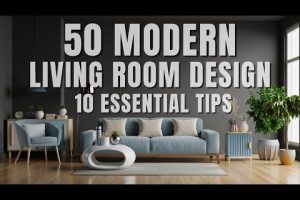
When it comes to designing a space where every member of the household feels comfortable and connected, family room furniture ideas can make or break the entire vibe of your home. A family room isn’t just another living area — it’s the emotional core of your house, the place where movie nights happen, homework gets tackled, board games spread across the floor, and conversations flow for hours. Choosing the right furniture combination involves balancing aesthetics, durability, functionality, and personal style. Whether you’re starting from scratch or refreshing an existing layout, this comprehensive guide walks you through proven strategies, trending styles, and expert recommendations to help you build the ultimate family retreat.
Understanding the Foundation of Family Room Furniture Layout
Before diving into specific pieces and styles, it’s crucial to understand how furniture placement shapes the experience of a family room. The layout determines traffic flow, conversational grouping, and the overall atmosphere. A poorly arranged space feels cramped and disconnected, while a thoughtfully planned room invites relaxation and togetherness.
Seating Arrangements That Work for Everyone
The seating configuration is the backbone of any family room. Consider these proven arrangements based on room size and family dynamics:

- L-Shaped Sectional Layout — Ideal for medium to large rooms, an L-shaped sofa creates a natural gathering point and defines the seating area without walls of furniture.
- Conversation Circle — Arrange chairs and a loveseat facing each other with a coffee table in the center. This works beautifully in square or compact rooms where intimacy matters.
- Symmetrical Facing Pair — Two matching sofas or a sofa and a loveseat placed across from each other with a central ottoman or coffee table. This creates a formal yet inviting feel.
- L-Shaped with Detached Chairs — Combine a sectional with standalone accent chairs positioned at different angles to encourage multiple conversation zones.
Measure your room dimensions carefully before purchasing anything. Leave at least 30 inches of clearance between furniture pieces for easy movement, and ensure pathways to doors and windows remain unobstructed. This is especially important in homes with young children or elderly family members who need extra space to navigate safely.
Choosing the Right Furniture Styles for Your Family Room
Different design styles deliver distinct moods and serve different practical needs. Here’s an in-depth look at popular family room furniture ideas that cater to various tastes and lifestyles:
Modern and Contemporary Family Rooms
Modern family room designs emphasize clean lines, neutral color palettes, and minimal clutter. Think low-profile sofas with tapered legs, geometric coffee tables, and streamlined media units. The key advantage of this style is that it feels open and airy, which makes smaller family rooms appear more spacious. Materials like leather, microfiber, and metal accented with wood tones are staples of this aesthetic. Modern pieces also tend to be easier to clean and maintain, which is a significant benefit for busy households.

Traditional and Transitional Styles
Traditional family room furniture features rich wood tones, rolled arms, deep cushions, and ornate details. Chesterfield sofas, rolled-back recliners, and mahogany coffee tables create a warm, classic atmosphere. Transitional style bridges the gap between traditional and contemporary, offering the comfort of classic pieces with the simplicity of modern design. This approach works exceptionally well for families who want a timeless look that won’t feel dated in a few years.
Rustic and Farmhouse-Inspired Spaces
Rustic family room furniture brings warmth through natural textures, reclaimed wood, and earthy tones. Distressed leather sofas, barn-style entertainment centers, and wooden ottomans with woven cushions create a cozy, cabin-like atmosphere. This style pairs beautifully with warm lighting, woven area rugs, and plenty of throw pillows in neutral or muted tones.
Coastal and Bohemian Family Rooms
For families who prefer a lighter, more relaxed aesthetic, coastal and bohemian styles offer relaxed comfort without sacrificing style. Rattan furniture, linen upholstery, woven baskets for storage, and layered textiles create a breezy, lived-in feel. These styles work particularly well in sun-drenched rooms with plenty of natural light.

Family-Friendly Furniture Materials and Fabrics
Durability is non-negotiable when selecting family room furniture. The right materials withstand spills, stains, and daily wear while maintaining their appearance over time.
| Material | Durability | Stain Resistance | Best For |
| Leather | Excellent | High (wipes clean easily) | Families with older children, modern aesthetics |
| Microfiber | Very Good | High (most are pre-treated) | Budget-conscious families, pet owners |
| Crypton Fabric | Excellent | Exceptional (liquid-repellent) | Families with young children, high-traffic homes |
| Performance Cotton | Good | Good (stain-resistant blend) | Families wanting soft, breathable seating |
| Performance Velvet | Very Good | High (sophisticated look) | Design-forward families, formal family rooms |
| Solution-Dyed Acrylic | Excellent | Exceptional (fade and stain resistant) | Sunny rooms, outdoor-adjacent family spaces |
When shopping for durable upholstery, look for terms like “crypton,” “performance fabric,” or “solution-dyed acrylic.” These technical textiles are engineered specifically to handle the realities of family life, from juice spills to crayon marks. Investing in quality fabrics can extend the life of your furniture by years, saving money in the long run.
Smart Storage Solutions Built Into Family Room Furniture
One of the biggest challenges in a family room is managing clutter. The best approach is to select furniture pieces that double as storage units without sacrificing style.
- Lift-Top Coffee Tables — These multipurpose pieces offer hidden storage beneath the tabletop and a raised surface for dining or working. They keep remote controls, board games, and magazines neatly tucked away.
- Ottomans with Storage — Large storage ottomans serve as extra seating, footrests, and hidden compartments for blankets, toys, or pillows. They’re incredibly versatile and available in countless styles.
- Media Consoles with Closed Cabinets — Instead of open shelves that collect dust, choose media units with doors and drawers to hide electronics, cords, and accessories.
- Sofa Beds and Sleeper Sofas — For families who host guests frequently, a quality sleeper sofa provides comfortable seating during the day and a bed at night without requiring extra square footage.
- Bench Storage at Entry Points — If your family room connects to an entryway, a storage bench near the door holds shoes, jackets, and bags, keeping the main seating area clutter-free.
Expert Tips for Arranging Family Room Furniture Like a Pro
Start with the focal point. Every family room has one — whether it’s a fireplace, a large window with a view, a television, or a built-in bookshelf. Arrange your primary seating to face this focal point, creating a natural visual anchor for the entire room.
Use area rugs to define zones. In open-concept homes where the family room flows into the dining area or kitchen, a large area rug (at least large enough to fit all front legs of furniture on it) visually separates the seating area and creates a sense of intentional design.
Layer your lighting. Overhead lighting alone rarely creates the warm, inviting atmosphere a family room needs. Combine floor lamps, table lamps, and dimmable accent lighting to set different moods for different activities — bright for homework, dim for movie nights, and warm ambient lighting for everyday relaxation.
Scale furniture to the room size. Oversized sectionals overwhelm small rooms and make them feel like cramped hallways. Conversely, tiny furniture in a large room looks lost and uninviting. Measure your space and choose pieces proportionate to the room dimensions. A good rule of thumb is to leave at least 18 inches of walking space around primary furniture pieces.
Incorporate flexible and modular pieces. Modular sectionals and movable ottomans allow you to reconfigure the room for different occasions — movie night, holiday gatherings, or a kid’s playdate. This adaptability ensures your furniture investment serves you well for years to come.
Budget-Friendly vs. Premium Family Room Furniture: A Comparison
Building a beautiful family room doesn’t require a massive budget, but understanding where to invest and where to save makes a significant difference.
| Category | Budget-Friendly Option | Premium Option | Where to Invest |
| Sofa | Synthetic leather or polyester blend ($400–$800) | Top-grain leather or high-performance fabric ($2,000–$5,000) | Frame construction and cushion quality |
| Coffee Table | Plywood with laminate finish ($100–$250) | Solid hardwood or marble top ($500–$1,500) | Durability and surface resistance |
| Accent Chairs | Basic polyester or cotton ($150–$400 each) | Performance velvet or genuine leather ($600–$1,500 each) | Comfort and fabric longevity |
| Storage Units | Particleboard with vinyl wrap ($150–$400) | Solid wood or engineered hardwood ($800–$2,500) | Joint construction and drawer slides |
| Ottoman | Basic foam with fabric cover ($80–$200) | High-resilience foam with storage ($250–$600) | Interior build quality |
The smartest approach is to invest in the pieces you’ll use most — typically the sofa and primary seating — while saving on accent pieces that can be upgraded later. A well-built sofa with a kiln-dried hardwood frame and high-density foam cushions will outlast cheaper alternatives by a decade or more, making it the single best investment in your family room furniture collection.
Trending Family Room Furniture Ideas for 2024 and Beyond
Several design trends are shaping the current landscape of family room furniture. Biophilic design, which incorporates natural materials, indoor plants, and organic shapes, continues to gain popularity as families seek calming, nature-inspired spaces. Multi-functional furniture is another major trend — pieces like nesting tables, modular sofas, and furniture with built-in USB charging ports address the evolving needs of modern households. Additionally, curved and rounded furniture shapes are replacing sharp edges, creating a softer, more inviting atmosphere that’s especially child-friendly. Earthy tones, warm neutrals, and rich terracotta hues dominate color palettes, moving away from the stark whites and grays of previous years.
Conclusion
Designing the perfect family room is an exciting journey that blends personal style with practical necessity. The best family room furniture ideas prioritize comfort, durability, and intentional layout while reflecting the unique personality of your household. Whether you gravitate toward sleek modern designs, timeless traditional pieces, or trendy rustic aesthetics, the key is selecting furniture that serves your family’s daily life while creating a space everyone genuinely enjoys spending time in. Start with a clear plan, invest in quality pieces where it matters most, and don’t be afraid to mix styles — the most inviting family rooms often tell a story through their carefully curated combination of pieces.
Frequently Asked Questions
What are the best family room furniture ideas for small spaces?
For smaller family rooms, focus on multi-functional pieces like lift-top coffee tables with storage, slim-profile sofas, and nesting side tables. Wall-mounted shelving and floating media consoles free up floor space, while light-colored upholstery and mirrors create an illusion of openness. Modular sectionals that can be reconfigured or partially disassembled also work exceptionally well in compact layouts.
What type of family room furniture is most durable for families with toddlers?
Crypton fabric and solution-dyed acrylic are the most durable upholstery options for families with toddlers, as they resist stains, moisture, and fading. Leather is another excellent choice because spills wipe off easily. Avoid delicate fabrics like silk or loose-weave linen, and consider furniture with rounded edges and weighted bases to prevent tipping accidents.
How do I choose the right size sofa for my family room?
Measure your available wall space and subtract at least 18 inches from each side for walkways. A standard three-seater sofa ranges from 84 to 96 inches wide, while a loveseat measures 48 to 60 inches. For rooms under 12 feet wide, a two-seater or compact three-seater prevents the space from feeling overcrowded. Always test the sofa’s depth and seat height for comfort before purchasing.
What color family room furniture combinations create a welcoming atmosphere?
Warm neutral combinations like beige with navy accents, warm gray with terracotta touches, or soft cream with mustard yellow create inviting, layered color schemes. Stick to a 60-30-10 rule — 60% dominant color (walls or large furniture), 30% secondary color (upholstery or area rug), and 10% accent color (pillows, throws, or decor). Avoid matching everything in the same color, as varied tones add depth and visual interest.
Is it better to buy family room furniture sets or mix individual pieces?
Mixing individual pieces generally produces a more personalized and dynamic family room than purchasing a complete matched set. Sets can feel rigid and dated quickly, while combining a quality sofa with a standout accent chair and a unique coffee table creates a curated, layered look. If you do buy a set, use it as a foundation and add contrasting or complementary pieces to give the room character and depth.
How often should I replace or update family room furniture?
With proper care and quality materials, a well-made sofa and primary seating pieces can last 10 to 15 years or longer. Accent chairs and storage pieces may need refreshing every 5 to 7 years depending on usage. Rather than replacing everything at once, consider updating one or two pieces at a time — a new throw blanket, refreshed cushions, or a statement accent chair can transform the room’s look without a full overhaul.