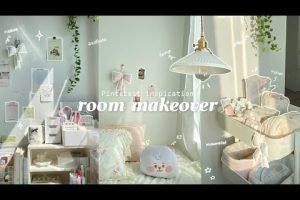
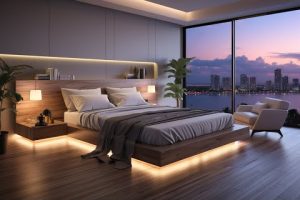
Transforming your personal sleeping space into a serene sanctuary requires more than just picking out a new bed frame or swapping out a few throw pillows. When it comes to bedroom design ideas, the goal is to curate an environment that reflects your unique personality while promoting deep rest and relaxation. Whether you are looking to completely overhaul your master suite with a full bedroom makeover or simply refresh the aesthetics of a tired room that has been neglected for years, understanding the core principles of interior styling can make all the difference. This comprehensive guide walks you through actionable bedroom decor strategies, from foundational color palettes and spatial planning to advanced textural layering, ensuring your home becomes the ultimate sleep retreat you deserve. The journey to a beautifully styled room begins with a single step, and we are here to guide you every step of the way.
Finding Your Bedroom Design Vibe

Before purchasing any new accent pieces or paint swatches, you need to establish the overarching mood of your space. The best bedroom design ideas start with identifying what kind of energy you want to walk into every single night. Are you craving a minimalist haven that declutters the mind and reduces visual noise, or do you prefer a coastal bedroom theme that evokes sandy shores and ocean breezes? Understanding your personal style is the critical first step in creating a cohesive and harmonious room.
Cozy and Minimalist Approaches
Minimalism in bedroom design is not about having absolutely nothing; it is about intentional curation and selective editing. A minimalist bedroom relies on clean lines, neutral tones, and highly functional furniture that serves dual purposes. Start by aggressively decluttering surfaces and investing in hidden storage solutions that keep clutter out of sight. Pair this streamlined approach with a neutral bedding palette—think soft whites, warm beiges, and muted greys—to create a visually calming atmosphere. This approach is perfect for beginners looking to reduce sensory overload and create a peaceful retreat without spending a fortune.
Coastal and Boho Themes
On the other end of the spectrum, coastal and bohemian styles invite personality, warmth, and texture into the room. Coastal bedroom design utilizes light blues, sandy neutrals, and natural fibers like jute and linen to evoke a serene seaside escape. Boho aesthetics, however, embrace layered rugs, macrame hangings, and eclectic wall art that tells a story. Both styles offer approachable ways to experiment with color and pattern without overwhelming the space, making them ideal intermediate projects for those ready to add significant flair to their sleep sanctuary design. These themes also allow for easy seasonal updates, keeping the room feeling fresh year-round.
Mastering the Layout and Flow
The architecture of your room dictates how furniture should be arranged. Effective bedroom design ideas prioritize both aesthetics and daily functionality. A poorly placed headboard or an obstructed pathway can disrupt the flow of the entire space, making it feel cramped even in a technically larger room. Proper zoning ensures that the sleeping area remains distinct from dressing or work zones, creating a sense of order and calm.
Zoning and Furniture Placement
When arranging your furniture, consider the “focal point” strategy. The bed should always anchor the room, typically positioned on the largest wall opposite the door. However, in open-concept spaces, you can use area rugs and pendant lighting to effectively zone the sleeping area from a dressing nook or reading corner. Ensure there is at least 30 inches of clearance around the bed for easy movement and comfortable access to nightstands. This spacing is crucial for both safety and the visual breathing room the room needs to feel relaxed.
Layout Comparison for Different Room Sizes
Choosing the right layout depends heavily on the square footage of your bedroom. Here is a quick comparison to guide your decision-making process and maximize your floor plan.
| Room Size | Best Layout Strategy | Key Furniture Focus |
| Small (Under 200 sq ft) | Floating bed or lofted style | Under-bed storage, wall-mounted nightstands |
| Medium (200-350 sq ft) | Symmetrical placement on main wall | Sleigh bed, dual nightstands, accent chair |
| Large (Over 350 sq ft) | Defined zones and island beds | Statement headboard, seating area, walk-in closet |

By matching your layout strategy to your room’s dimensions, you ensure that every square foot is utilized efficiently, balancing both comfort and style.
Elevating the Aesthetic with Advanced Decor
Once the foundation of your sleep sanctuary design is solid, it is time to elevate the space with advanced styling techniques. Expert bedroom design ideas focus on sensory engagement, combining visual appeal with tactile comfort and ambient lighting that transforms the room’s atmosphere completely.
Layering Textures and Lighting
Lighting is arguably the most critical element in bedroom aesthetics. Harsh overhead lights can ruin the calming atmosphere you are trying to achieve, tricking your brain into thinking it is still daytime. Instead, layer your lighting using three distinct levels to create depth and mood:
- Ambient Lighting: A dimmable ceiling fixture or recessed lights for general visibility during the day.
- Task Lighting: Adjustable wall sconces or reading lamps beside the bed for focused activities like reading or dressing.
- Accent Lighting: LED strip lighting behind the headboard or small table lamps to highlight artwork, plants, and architectural details.

Pair this sophisticated lighting strategy with textured textiles. Mix a chunky knit throw with smooth silk pillowcases and a thick woven area rug. These contrasting tactile elements add depth, warmth, and sophistication to the room without requiring a complete furniture overhaul. This is an excellent intermediate-to-advanced technique for making a space feel curated and expensive.
Incorporating Nature and Organic Elements
Bringing the outdoors in is a powerful design move that enhances indoor air quality and promotes psychological tranquility. Introduce bedroom decor elements like potted plants, wooden trays, and stone accents to ground the room in nature. Plants like snake plants or pothos thrive in low-light bedroom conditions, adding a vibrant pop of green that softens hard surfaces and modernizes the room’s aesthetic. Organic materials like rattan and unfinished wood further bridge the gap between modern design and natural serenity.
Frequently Asked Questions
How to design a bedroom on a budget? Focus on high-impact, low-cost changes first that instantly refresh the room without breaking the bank. Repaint the walls in a calming, fresh hue and swap out existing hardware on dressers and nightstands for modern alternatives. Thrift stores and online marketplaces are absolute goldmines for unique accent pieces and vintage furniture. You can also create a completely new mood simply by rearranging the existing furniture layout and adding a set of affordable throw pillows and a statement blanket to the bed.
What is the best color for a bedroom? Cool, muted tones like soft blues, sage greens, and warm taupes are scientifically proven to lower heart rate and reduce anxiety levels before sleep. Avoid highly saturated colors like bright reds or electric yellows, as they can stimulate the brain and disrupt your natural sleep cycle. If you prefer bolder shades, use them sparingly as accent colors through decor rather than painting all four walls.
How can I make a small bedroom look bigger? Maximize natural light by keeping windows unobstructed and using sheer curtains that allow sunlight to filter through. Choose furniture with exposed legs to create a sense of visual lightness, and utilize vertical space with tall shelving units that draw the eye upward. Mirrors placed strategically across from windows reflect light and create an illusion of depth, instantly making the room feel more spacious and airy.
What are the best bedroom lighting ideas for relaxation? Install dimmer switches on your overhead lights to control the brightness level throughout the evening hours. Warm-toned LED bulbs (around 2700K) are ideal for creating a cozy and inviting atmosphere. Additionally, consider adding a salt lamp or battery-operated candle clusters on your dresser, which provide soft, flickering light that signals to your brain that it is time to wind down and prepare for rest.
How do I choose a bedroom theme that lasts? Avoid overly trendy design elements that might feel dated or fatiguing in just a few years. Instead, focus on timeless architectural features and classic furniture silhouettes that form the backbone of the room. You can easily update a timeless room by changing out the textiles, artwork, and accessories seasonally, allowing you to refresh the mood without undergoing a complete bedroom makeover.
Conclusion
Designing the perfect bedroom is a deeply personal journey that blends functionality with self-expression and style. By starting with a clear vision, optimizing your room’s layout with smart zoning, and layering in advanced textural and lighting elements, you can transform any ordinary room into an extraordinary retreat. Whether you are starting with beginner-friendly updates like a fresh paint job or diving into advanced styling techniques like ambient lighting, the most important thing is that the space feels uniquely yours. Implement these bedroom design ideas today, and turn your home into the ultimate sanctuary for rest, rejuvenation, and peaceful living.