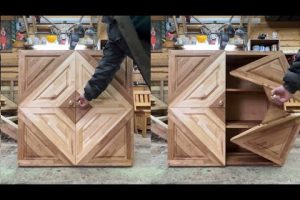
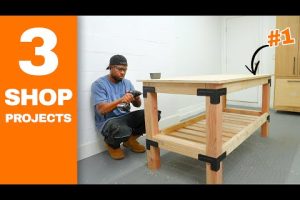
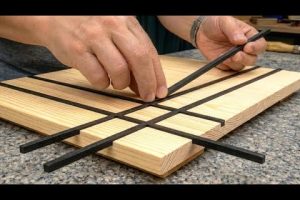
There is something deeply satisfying about transforming a raw piece of lumber into a functional, beautiful creation with your own hands. DIY projects from wood have surged in popularity over the past few years, and for good reason. Whether you are a complete novice picking up a hammer for the first time or a seasoned craftsman looking to refine your technique, woodworking offers endless possibilities for creative expression and practical problem-solving. From simple floating shelves that can transform a bare wall to elaborate dining tables that become the centerpiece of a home, the world of woodworking DIY is as accessible as it is rewarding. In this comprehensive guide, we will walk you through everything you need to know to start your next wood project at home—from essential tools and beginner-friendly builds to intermediate and advanced challenges that will push your skills to the next level.
Why Wood DIY Projects Are So Popular Right Now
The rise of DIY wood crafts is no accident. People are looking for ways to personalize their living spaces, save money on home décor, and develop hands-on skills that promote mindfulness and stress relief. Unlike mass-produced furniture, handmade wood projects carry a unique character—every grain pattern, every subtle imperfection tells a story. Additionally, the growing interest in sustainable living has driven many homeowners toward reclaimed wood, locally sourced timber, and eco-friendly finishing techniques. Social media platforms like Pinterest and Instagram have further fueled the trend, showcasing stunning woodworking ideas for home that inspire millions to pick up a saw and start building.
Essential Tools and Materials for Woodworking Projects
Before diving into any DIY wood craft, having the right tools and materials is non-negotiable. You do not need a fully equipped professional workshop to get started, but a few key investments will make a significant difference in the quality of your finished pieces.
Must-Have Tools for Beginners
- Circular saw or hand saw — for making straight, accurate cuts
- Power drill and drill bit set — essential for assembly and joinery
- Sandpaper in various grits — ranging from 80-grit for rough shaping to 220-grit for a smooth finish
- Wood glue and clamps — for reinforcing joints and holding pieces in place during drying
- Measuring tape and combination square — precision is everything in woodworking
- Safety gear — including safety glasses, ear protection, and a dust mask
Recommended Wood Types
Choosing the right material is just as important as having proper tools. Pine is the go-to choice for beginners because it is affordable, widely available, and easy to cut and sand. Oak offers exceptional durability and a striking grain pattern, making it ideal for furniture pieces. Cedar is naturally resistant to moisture and insects, which makes it perfect for outdoor projects. Birch plywood provides a clean, uniform surface that works beautifully for shelving, cabinets, and decorative panels.
Easy DIY Wood Projects for Beginners
If you are just starting out, the key is to build confidence with simple builds before attempting complex furniture. These beginner-friendly DIY wood projects require minimal tools and can be completed in a single weekend.
- Floating Shelves — One of the most satisfying first projects. Cut a board to length, sand it smooth, stain or paint it, and mount it with concealed brackets. These add instant character to any room.
- Wooden Plant Stand — A simple frame made from four legs and a top platform. It is a fantastic way to practice measuring, cutting at angles, and assembly.
- Bookends from Scrap Wood — Take small offcuts, shape them on a sander, and finish them with mineral oil. Practical and decorative.
- Photo Display Stand — A small angled piece of wood that holds your favorite photographs. Great for practicing bevel cuts.
- Garden Plant Markers — Cut shapes from thin plywood or scrap cedar, write plant names with a wood-burning pen, and stake them in your garden.
Each of these projects teaches fundamental skills—measuring accurately, making clean cuts, sanding surfaces properly, and applying finishes—that will serve as the foundation for more ambitious builds down the road.
Intermediate Wood Projects to Level Up Your Skills
Once you have mastered the basics, it is time to tackle builds that involve more complex joinery, design planning, and finishing techniques. These intermediate woodworking DIY projects bridge the gap between simple crafts and serious furniture making.
Wooden Cutting Board with End Grain
Creating a DIY end grain cutting board involves cutting hardwood strips into small squares, arranging them in a checkerboard or striped pattern, and gluing the assembly together. This project teaches you about wood movement, edge gluing, and the importance of proper clamping pressure. After the glue cures, you will use a belt sander and orbital sander to achieve a perfectly flat surface, then apply food-safe mineral oil for a beautiful, functional result.
Built-In Bookshelf

A custom built-in bookshelf transforms an empty wall into a stunning architectural feature. This project introduces you to dado joints, shelf pinning, and trim carpentry. You will learn how to measure a wall for a snug fit, cut dadoes for adjustable shelves, and finish the piece with a paint or stain that complements your room’s aesthetic.
Outdoor Adirondack Chair
Building an outdoor wooden chair from cedar or pressure-treated pine is a rewarding challenge. You will work with curved cuts, assembly jigs, and weather-resistant finishes. The Adirondack chair design is forgiving for intermediate builders while producing a piece of furniture that lasts for years and turns heads on any porch.
Wooden Jewelry Box with Hidden Compartment
This project elevates your handcrafted wood projects skills by introducing dovetail joints and magnetic latch mechanisms. A well-crafted jewelry box showcases your ability to work with precision and attention to detail, making it a perfect gift or sellable item if you decide to turn your hobby into a small side business.
Advanced DIY Wood Projects for Experienced Builders
For those who have honed their skills and are ready for a serious challenge, advanced woodworking projects demand meticulous planning, advanced joinery, and professional-grade finishing techniques.
Live-Edge Dining Table: Using a slab of walnut or cherry with its natural bark edge intact, you will create a breathtaking dining table that doubles as a conversation piece. This project requires mastery of slab flattening, epoxy river pour techniques, steel leg fabrication, and food-safe finish application.
Wall-Mounted Murphy Bed: This engineering feat involves precise cabinetry construction, hinge mechanisms, and integrated storage solutions. A DIY Murphy bed project tests your understanding of load-bearing structures, mechanical hardware, and spatial design.
Curved Louvered Privacy Screen: Combining artistic design with functional woodworking, a louvered screen uses angled slats mounted in a frame to provide privacy while allowing airflow. This project requires precision cutting of multiple identical angles and careful assembly to ensure the louvers sit at a consistent pitch.
Comparison Table: Beginner vs Intermediate vs Advanced Projects

| Category | Skill Level | Tools Required | Time Commitment | Cost Range |
| Floating Shelves | Beginner | Drill, saw, sander | 1–2 hours | $15–$40 |
| Cutting Board | Intermediate | Sander, clamps, table saw | 3–5 hours | $25–$60 |
| Built-In Bookshelf | Intermediate | Drill, router, table saw, clamps | 1–2 weekends | $80–$200 |
| Adirondack Chair | Intermediate | Jigsaw, drill, sander | 4–6 hours | $40–$100 |
| Live-Edge Dining Table | Advanced | Router, planer, clamps, epoxy | 1–3 weekends | $150–$500+ |
| Murphy Bed | Advanced | Cabinet tools, hinge kit, drill press | 2–4 weekends | $200–$600+ |
Expert Tips for Stunning Wood Projects
Even the most experienced woodworkers continue to learn and refine their craft. Here are some proven strategies that separate good projects from truly exceptional ones:
- Always measure twice and cut once. This old woodworking adage saves materials, time, and frustration. Use a sharp pencil for marking lines.
- Invest in quality sandpaper. Cheap sandpaper dulls quickly and leaves scratches. Start with 120-grit, move to 180-grit, and finish with 220-grit for a glass-like surface.
- Pre-stain wood conditioner is your best friend. Softwoods like pine absorb stain unevenly. A pre-stain conditioner ensures a uniform, professional-looking finish.
- Test your finish on scrap wood first. Before applying stain, paint, or oil to your finished piece, always test on a cut-off section to preview the result.
- Use clamps generously. More clamps mean stronger joints, less shifting during glue-up, and fewer frustrations when pieces try to move as the adhesive sets.
- Embrace imperfections. Natural wood has character. Knots, grain variations, and minor irregularities are what make handmade pieces unique and beautiful.
Frequently Asked Questions
What are the best beginner DIY wood projects for small spaces?
For small apartments or rooms, wall-mounted shelves, floating book ledges, and tiered wood organizers are excellent starting points. These projects maximize vertical space, require minimal material, and deliver immediate visual impact. A simple floating desk made from a wooden plank and wall-mounted brackets is another fantastic small-space solution that combines functionality with clean, minimalist design.
What type of wood is easiest to work with for DIY projects?
Pine and basswood are widely considered the easiest woods for beginners. They are soft, affordable, readily available at most home improvement stores, and require minimal tooling effort. For those willing to spend slightly more, poplar and birch offer better durability while still being manageable for new woodworkers learning to cut, sand, and finish.
How do I protect outdoor wood projects from weather damage?
The key to long-lasting outdoor wood projects is choosing naturally resistant wood like cedar, redwood, or teak, and applying a high-quality exterior wood sealant or marine-grade spar urethane. Reapply protective coatings annually, and consider elevating outdoor pieces off direct ground contact using rubber feet or metal standoffs to prevent moisture absorption from below.
Can I use reclaimed wood for DIY projects, and what should I watch out for?
Absolutely! Reclaimed wood is one of the most popular choices for sustainable DIY wood crafts. However, always inspect reclaimed lumber for hidden nails, screws, or metal fragments before cutting. Use a metal detector if available, and check for signs of insect damage or excessive warping. Old wood often contains lead-based paint, so test surfaces and take appropriate safety precautions when sanding vintage pieces.
What finishing techniques make DIY wood projects look professional?
Three techniques consistently elevate homemade wood projects to a professional standard: dewaxed shellac as a sealer coat, hand-rubbed oil finishes like Danish or tung oil for natural warmth, and wetting the wood grain before final sanding to raise fibers and ensure an ultra-smooth surface. A final coat of paste wax buffed with a soft cloth adds a subtle luster that makes any piece look store-bought.
How much does it cost to start woodworking as a hobby?
A solid starter setup for DIY woodworking projects can be assembled for $150 to $300, including a basic power drill, circular saw, sander, a set of chisels, clamps, and a beginner lumber selection. Many experienced woodworkers recommend buying tools incrementally rather than all at once, starting with the essentials and expanding your collection as your skills and project ambitions grow.
Conclusion
DIY projects from wood represent far more than a hobby—they are a gateway to creativity, self-sufficiency, and the deep satisfaction of making something real with your hands. Whether you start with a simple floating shelf this Saturday morning or dream about building a live-edge dining table in the months ahead, every project you complete builds skills, confidence, and a deeper appreciation for the material that has shaped human civilization for thousands of years. The beauty of woodworking DIY is that there is always something new to learn, a new technique to master, and a new creation waiting to be brought to life. Pick up your tools, choose your wood, and start building today—your next favorite piece of furniture is only a few measurements away.