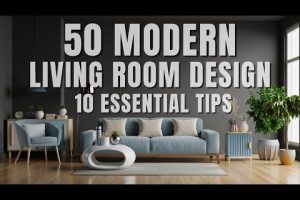
When it comes to designing a space that truly reflects your household’s personality, few rooms carry as much weight as the family room. This is where homework gets done on the kitchen table, movie nights come to life, and Sunday mornings unfold with coffee and conversation. The best family room design ideas go far beyond picking out a couch and calling it a day. They weave together functionality, comfort, personal style, and practical living in a way that makes every member of the household feel at home. Whether you are working with a compact living area or a sprawling open floor plan, the right design choices can completely transform how your family interacts with this central space. In this guide, we will walk you through proven family room layout strategies, furniture selection tips, color palette recommendations, lighting techniques, and storage solutions that designers actually use in real homes.
Why Your Family Room Design Matters More Than You Think
The family room is often the most-used room in any home, yet it is frequently overlooked in the grand scheme of interior design. Unlike a formal living room that guests visit occasionally, the family room endures daily wear and tear. It absorbs spilled drinks, toy clutter, homework sessions, and lazy weekend afternoons. This means your design decisions need to balance aesthetics with resilience. A well-planned family room design idea creates a warm atmosphere that encourages connection while standing up to the realities of everyday life. Research in environmental psychology even suggests that the layout and décor of shared spaces directly influence family bonding, stress levels, and overall well-being. Investing thoughtful attention into this room is never wasted effort.
Top Family Room Design Ideas for Every Budget
Small Family Room Layouts That Maximize Space
Smaller family rooms demand clever solutions. The biggest mistake homeowners make is forcing large furniture pieces into a compact space, which creates a cramped and unwelcoming feel. Instead, consider a sectional sofa with a compact coffee table or a modular arrangement that allows flexibility. Wall-mounted shelving units free up floor space while keeping books, decor, and board games within reach. A strategic family room layout for smaller spaces often relies on light colors to open up the room visually and mirrors to reflect natural light.
- Choose furniture with exposed legs to create a sense of airiness.
- Use a single statement piece, like a bold area rug, to anchor the seating area.
- Place the television on a floating wall mount rather than a bulky entertainment center.
- Incorporate nesting tables that can be tucked away when not in use.
Large Open-Concept Family Rooms for Maximum Impact
On the other end of the spectrum, large open-concept family rooms present a different challenge: creating defined zones without closing off the space. One of the most popular family room design ideas for expansive areas involves using furniture groupings to create conversation pits or activity zones. For example, a reading nook with a comfortable armchair and a floor lamp can sit adjacent to the main seating area without feeling disconnected. Rugs serve as excellent visual boundaries, helping to distinguish the living area from a nearby dining or play space.
- Define zones with area rugs of different textures and patterns.
- Use a large U-shaped sectional to encourage face-to-face conversation.
- Add a statement fireplace or a modern electric fireplace as a focal point.
- Hang a gallery wall above the sofa to personalize the large wall space.
Choosing the Right Color Palette for Family Rooms
Color is one of the most powerful tools in any family room design idea. The right palette sets the mood, influences perception of space, and ties together all the elements in the room. Neutral tones like warm beige, soft gray, and creamy white remain timeless choices because they are forgiving and adaptable. You can always refresh the room’s look by swapping out throw pillows, blankets, and curtains without repainting the walls. For families who crave more personality, incorporating a muted accent color such as teal, mustard yellow, or dusty rose through accessories adds warmth without overwhelming the space.
| Color Palette | Best For | Mood | Pair With |
| Warm Neutrals | Small spaces, traditional homes | Cozy and inviting | Wood tones, natural textures |
| Cool Grays | Modern and minimalist aesthetics | Calm and sophisticated | Metallic accents, greenery |
| Earth Tones | Rustic, farmhouse, or boho styles | Grounded and relaxing | Woven fibers, stone elements |
| Bold Accents | Creative, eclectic families | Energetic and playful | Neutral base, natural light |

When selecting your palette, consider the natural light your family room receives. Rooms with limited sunlight benefit from lighter, warmer tones, while rooms flooded with natural light can handle deeper, richer hues without feeling closed in.
Furniture Selection and Arrangement Tips
Furniture is the backbone of any family room design idea, but selecting pieces is only half the battle. Arrangement matters just as much. The goal is to create a layout that promotes conversation, movement, and comfort. Avoid pushing all furniture against the walls, as this creates a hollow, uninviting feel. Instead, pull seating closer together to encourage intimacy and interaction. For families with young children, prioritize durable fabrics like performance microfiber or leather, which resist stains and are easy to clean. Round-edge coffee tables are a smart safety choice, and adding a slipcover to your sofa can extend its life dramatically.
Here are some expert-backed recommendations to keep in mind:
- Anchor the room with a focal point. This could be a fireplace, a large window, or a media wall.
- Scale furniture to the room size. Oversized sofas in small rooms feel suffocating; tiny chairs in large rooms look lost.
- Layer seating options. Combine a sofa, armchairs, and ottomans to accommodate different activities and group sizes.
- Add tactile elements. Throw blankets, textured cushions, and woven baskets invite touch and make the room feel lived-in.
Lighting That Transforms the Family Room Atmosphere
Lighting is one of the most underrated aspects of family room design. A single overhead fixture is rarely enough to create the layered, inviting glow that makes a room feel truly comfortable. The best approach combines ambient, task, and accent lighting. Ambient light comes from recessed ceiling fixtures or a stylish chandelier. Task lighting, such as a reading lamp beside an armchair, supports specific activities. Accent lighting, like LED strip lights behind a media console or a vintage floor lamp in the corner, adds depth and visual interest.
Consider installing dimmer switches on your main light source. This small upgrade gives you complete control over the room’s mood, whether you are hosting a lively game night or winding down for a quiet evening. Natural light also plays a critical role, so keep window treatments simple and light-filtering rather than heavy blackout drapes unless the room faces direct afternoon sun.
Smart Storage Solutions That Keep the Clutter Hidden
A beautiful family room quickly loses its appeal if clutter is visible. The key is building storage into the design from the start. Media consoles with closed cabinets hide remotes, game discs, and charging cables. Ottoman seating with hidden storage compartments serves double duty as footrests and blanket bins. Built-in bookshelves along one wall provide both display space and a home for toys, binders, and decorative objects.
For families with young children, a low, open storage unit near the play area encourages kids to tidy up independently. Labeled baskets and bins in coordinating colors make cleanup feel like a game rather than a chore. These practical storage ideas ensure your family room stays organized without sacrificing style.
Comparing Popular Family Room Design Styles
| Style | Key Features | Ideal For | Budget Range |
| Modern Minimalist | Clean lines, monochrome palette, minimal decor | Busy families who prefer low maintenance | Mid to High |
| Cozy Traditional | Rich wood furniture, warm colors, layered textures | Families who love classic aesthetics | Low to Mid |
| Scandinavian | Light woods, functional furniture, hygge elements | Small spaces and natural-light rooms | Low to Mid |
| Bohemian | Mixed patterns, earthy textures, eclectic accents | Creative families who express individuality | Low |
| Farmhouse | Shiplap, distressed wood, neutral tones, cozy textiles | Rural and suburban homes with warmth | Low to High |
Each style offers a unique approach to the family room design idea. The modern minimalist family room emphasizes simplicity and easy upkeep, while the cozy traditional design wraps everyone in warmth and nostalgia. Scandinavian and farmhouse styles both prioritize natural materials and comfort, making them particularly popular among families who value a relaxed, authentic atmosphere.
Final Thoughts on Creating Your Dream Family Room
Designing the perfect family room is less about following trends and more about understanding how your family actually lives. Start by identifying the activities that matter most to your household, whether that is movie watching, reading, playing games, or simply relaxing together. Build your furniture choices, color palette, lighting plan, and storage solutions around those core activities. The best family room layout is one that evolves with your family over time, adapting to new needs and growing alongside your shared experiences. Remember that perfection is not the goal; functionality, warmth, and authenticity are what turn a room into the heart of your home.
Frequently Asked Questions About Family Room Design

What is the best family room layout for a small space?
The best family room layout for small spaces uses compact, multi-functional furniture and keeps traffic flow clear. A sofa against one wall paired with two armchairs angled toward the TV creates an intimate seating area without blocking pathways. Lighter colors on the walls and a single large mirror can make the room feel significantly more spacious.

How do you distinguish a family room from a living room?
A living room is typically more formal and used for entertaining guests, while a family room is designed for everyday comfort and casual use. The family room design idea prioritizes durability and practicality over refined aesthetics, though the line between the two has blurred significantly in modern home design.
What are the most durable flooring options for family rooms?
Engineered hardwood, luxury vinyl plank, and porcelain tile are among the most durable flooring options for family rooms. They resist scratches, stains, and moisture better than traditional hardwood or carpet, making them ideal for households with children and pets.
How can I make my family room feel cozier without spending a lot of money?
Adding soft throw blankets, layered rugs, warm-toned lighting, and a few plush cushions can dramatically increase the coziness of any family room. These small, affordable changes create a hygge-like atmosphere that invites relaxation and togetherness.
What color walls work best for a family room with natural light?
Rooms with abundant natural light can handle deeper, warmer colors like soft charcoal, navy blue, or muted olive green. These hues add richness and personality without overwhelming the space, especially when balanced with lighter furniture and natural wood accents.
Should I include a TV in the family room design?
Including a TV is a practical choice for most families, but how you integrate it matters. A wall-mounted television with a streamlined media console keeps the look clean and modern. Consider designing the room so the TV area can be visually tucked away when not in use, preserving the room’s welcoming, connection-focused atmosphere.