


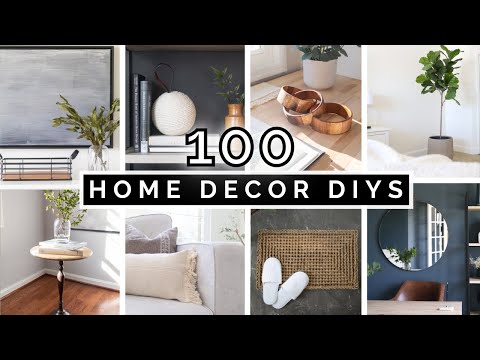
The decor of home is far more than just arranging furniture or hanging art on walls; it is the profound expression of your personality, lifestyle, and aspirations within the spaces you inhabit daily. When you walk into a beautifully curated space, you immediately feel a sense of calm, energy, or inspiration that directly impacts your mood and overall well-being. Mastering the art of interior styling allows you to transform ordinary rooms into extraordinary sanctuaries that tell your unique story. Whether you are just beginning to explore how to decorate a home or looking to refine your existing aesthetic, understanding the core principles of home decoration ideas is essential. Your living environment is a direct reflection of who you are, and investing time into its design yields dividends in comfort and joy. This comprehensive guide will walk you through everything from foundational color palettes to advanced ambient lighting techniques, ensuring your living environment reflects the best version of your life.
The Art of Interior Styling: Why Your Space Matters
More Than Just Furniture: Crafting Your Personal Aesthetic

Every room in your house serves as a canvas for your life. The decor of home goes beyond merely filling square footage; it involves creating a cohesive narrative that resonates with you on a daily basis. When diving into home decor, many beginners make the mistake of buying pieces in isolation, resulting in a disjointed feel that lacks personality. Instead, focus on room aesthetics that flow seamlessly from one area to another, creating a unified story throughout your household. Consider the architectural features of your space and build around them. Are there large windows offering stunning natural light? Do you have exposed brick or intricate crown moldings? By acknowledging these existing elements, you can select furniture and accessories that complement rather than compete with your home’s structure. This intentional approach ensures that your interior styling feels deliberate and thoughtfully curated, creating a welcoming atmosphere for both you and your guests.
Foundational Steps: Beginner Home Decor Strategies
Starting your journey into home decoration ideas can feel overwhelming. There are endless trends, styles, and options available, but taking a systematic approach makes the process enjoyable rather than stressful. Follow these initial steps to build a strong foundation for your living spaces.
- Establish Your Color Palette and Mood: Before purchasing a single piece of decor, you must establish a color palette. Colors dictate the mood of a room and serve as the anchor for all your design decisions. For beginners, sticking to a 60-30-10 rule is a foolproof strategy: 60% dominant color (usually walls), 30% secondary color (upholstery or large rugs), and 10% accent color (pillows, vases, and art). This structure prevents chaotic clashes and ensures visual harmony.
- Start with Statement Pieces: Invest in one or two statement pieces, such as a vintage armchair or a bold area rug, giving the room a focal point. From there, you can build the rest of your decor of home around that anchor, ensuring a balanced and harmonious design that draws the eye naturally.
- Accessorize with Intent: Add seasonal decor and personal mementos gradually. Avoid clutter by spacing items out evenly, allowing each piece to breathe and command attention within the room. Remember, negative space is just as important as the objects themselves in interior styling.
Intermediate Design: Elevating Your Room Aesthetics
Once you have mastered the basics, it is time to elevate your interior styling to the next level. Intermediate design focuses on layering elements, creating visual depth, and ensuring that your space not only looks beautiful but also functions effortlessly for everyday living.
Mastering the Art of Furniture Arrangement and Lighting
The arrangement of your furniture drastically impacts how a room feels and functions. Avoid pushing all furniture against the walls; instead, create intimate conversation areas that encourage connection. Use area rugs to define these zones, ensuring at least the front legs of seating pieces rest on the fabric. Lighting is another critical component of the decor of home. Relying solely on a single overhead fixture creates flat, uninviting spaces that lack character. Instead, layer your lighting by combining ambient sources, task lamps, and accent lighting. This trifecta adds dimension and highlights your favorite architectural features or artwork, transforming a simple room into a dynamic, engaging environment that adapts to your daily routines.

Advanced Techniques: Transforming Spaces Like a Pro
For those looking to achieve truly bespoke interior styling, advanced techniques involve sensory engagement, architectural manipulation, and a deep understanding of spatial dynamics. This level of home decoration ideas requires an eye for detail, a willingness to experiment with bold choices, and a commitment to crafting an immersive experience.
Layering Textures and Advanced Ambient Lighting
Texture plays a pivotal role in sophisticated home decor. Mixing materials like velvet, wrought iron, raw wood, and polished marble adds tactile interest that elevates the visual appeal far beyond color alone. When combining textures, ensure there is a unifying element—perhaps a recurring color or a similar pattern scale—to prevent the room from feeling chaotic. Advanced ambient lighting involves using dimmers and smart bulbs to adjust the room’s mood throughout the day. In the morning, cool, bright light energizes the space, while warm, dim lighting in the evening signals relaxation and comfort. This dynamic approach ensures your space remains versatile and responsive to your lifestyle, making your home truly feel like a retreat.
Decor of Home: Practical Recommendations and Expert Tips
Implementing professional-level design does not require a massive budget or an architecture degree. Here are actionable tips to refine your space and elevate your room aesthetics instantly:
- Rule of Thirds: When hanging art or shelving, divide the wall into a 3×3 grid. Placing items at the intersections creates natural visual balance and prevents the decor of home from feeling rigid or overly symmetrical.
- Mirror Magic: Strategically placed mirrors amplify natural light and make small spaces feel larger and more open, instantly boosting your room aesthetics and creating an illusion of expansive depth.
- Bring the Outside In: Incorporate organic elements like potted plants, driftwood, or stone accents to breathe life into your interior styling and connect your household aesthetics with the natural world.
- Edit Ruthlessly: Less is often more when it comes to design. Avoid clutter by curating your space carefully, allowing each piece to shine and maintaining a sense of calm and order.
Budget vs Premium: Choosing Your Decor Strategy
Deciding how to invest in your space depends on your goals, lifestyle, and budget. Here is a detailed comparison of budget-friendly versus premium approaches to home decor.
| Aspect | Budget-Friendly Decor | Premium Decor |
| Furniture | Thrifting, flat-pack, DIY reupholstery projects | Custom-made, heirloom-quality solid woods |
| Lighting | LED smart bulbs, geometric DIY fixtures | Designer pendant lights, brass chandeliers |
| Textiles | DIY cushion covers, thrifted throws | Silk drapes, Egyptian cotton bedding |
| Art | Prints, gallery walls, digital art | Original commissions, gallery purchases |
Regardless of your budget, the secret to stunning home decoration ideas lies in the cohesion of the elements. A carefully chosen thrift store vase can look just as stunning next to an investment piece if the styling and color palette remain consistent throughout the space, proving that design is about intention, not just price tags.
Frequently Asked Questions
What is the best way to start decorating a home from scratch?
When starting from scratch, begin by identifying your personal style by collecting inspiration images from magazines and online platforms. Next, establish a functional layout that suits your lifestyle, then select a neutral color palette as your foundation. Finally, invest in statement furniture pieces and layer in textures and lighting to complete the decor of home.
How do I choose the right color palette for my home decor?
Choosing the right color palette involves considering the natural light your rooms receive and the mood you want to evoke. Cool tones like blues and greens promote calmness and relaxation, while warm tones like terracotta and gold add energy and intimacy. Use the 60-30-10 rule to balance dominant, secondary, and accent colors throughout your interior styling.
What are the most affordable ways to update home decor?
Affordable updates include swapping out throw pillows and curtains, rearranging furniture to create new conversation areas, and adding DIY accents like painted shelves or gallery walls. Incorporating indoor plants is another cost-effective way to refresh your room aesthetics instantly without a major investment in home decoration ideas.
How can I make my home decor look expensive without spending a lot?
To achieve a high-end look, focus on proportion and quality of materials. Replace basic hardware on cabinets and drawers, ensure your curtains hang close to the ceiling and floor to elongate the room, and maintain a consistent color story. Editing your decor of home to remove clutter also mimics a luxury aesthetic.
What are the current trends in home decor for 2024?
Current trends emphasize biophilic design, which integrates natural materials and indoor greenery to improve well-being, as well as the quiet luxury movement featuring muted palettes and rich textures like boucle and linen. Additionally, curved furniture and statement lighting fixtures are dominating modern interior styling, offering a softer, more inviting alternative to rigid minimalist designs.
How does ambient lighting affect the overall decor of home?
Ambient lighting sets the foundational tone for a room. Unlike harsh overhead lighting, layered ambient lighting—using floor lamps, table lamps, and dimmable fixtures—creates depth and warmth. It highlights architectural features, makes colors appear richer, and allows you to adjust the room’s atmosphere from energetic workspaces to relaxing retreats.
Conclusion
The journey of decorating your home is a continuous, rewarding process that evolves with your life and experiences. By understanding the core principles of interior styling and implementing practical home decoration ideas, you can create a space that is not only visually stunning but also deeply personal. From establishing a foundational color palette to mastering the art of ambient lighting, every decision contributes to the overall room aesthetics and functionality of your living environment. Remember that the best decor of home is one that reflects who you are and supports how you live. Embrace the process, trust your instincts, and let your space tell your unique story.