When you walk into a space that instantly feels warm, inviting, and effortlessly stylish, there’s a good chance it embraces the farmhouse aesthetic. Farmhouse interior ideas have taken the design world by storm, and for good reason. This style blends rustic charm with modern comfort, creating homes that feel both grounded and sophisticated. Whether you are renovating a century-old barn or refreshing a suburban living space, farmhouse design offers a timeless approach that resonates with homeowners across the globe. In this comprehensive guide, we will explore everything from foundational farmhouse living room concepts to advanced styling techniques that will elevate your entire home.
The Essence of Farmhouse Interior Design
At its core, farmhouse interior design celebrates natural materials, neutral tones, and a sense of intentional simplicity. It draws inspiration from rural living, where functionality meets beauty in the most organic way possible. The style prioritizes comfort without sacrificing visual appeal, making it one of the most versatile design approaches available today. Understanding what makes farmhouse interiors work is the first step toward transforming your own space into something genuinely special.
Why Farmhouse Style Continues to Dominate
Unlike fleeting trends that come and go, farmhouse style has proven remarkably resilient. Several factors contribute to its enduring popularity:
- Universal appeal: farmhouse design transcends geographic boundaries and cultural preferences, appealing to a wide range of demographics.
- Emotional connection: the warmth and nostalgia associated with rural aesthetics trigger feelings of comfort and belonging.
- Affordability: many farmhouse elements rely on reclaimed wood, distressed finishes, and simple silhouettes, making the style accessible on various budgets.
- Versatility: farmhouse interiors blend seamlessly with modern, industrial, and even minimalist design elements.
Designers and homeowners alike appreciate that farmhouse interiors do not require a perfect, curated look. In fact, the most authentic farmhouse spaces embrace a lived-in quality that tells a story through every texture, color, and accessory.
Key Farmhouse Interior Ideas for Every Room
Translating farmhouse aesthetics across different rooms requires a thoughtful approach that balances cohesion with room-specific functionality. Below, we break down the most impactful farmhouse interior ideas by space.
Living Room Farmhouse Elements
The living room serves as the heart of any farmhouse home, and designing it effectively sets the tone for the entire space. Consider these foundational elements:
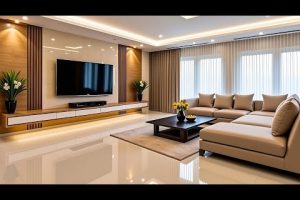
- Neutral-toned sectional sofas in linen or cotton fabrics create an inviting seating area that anchors the room.
- Reclaimed wood coffee tables with visible grain patterns and natural edges add rustic character without overwhelming the space.
- Open shelving and mantels styled with ceramic vases, dried wheat arrangements, and vintage candles bring layered visual interest.
- Pendant lighting with metal and wood accents offers warm illumination that enhances the cozy atmosphere.
- Plaid or gingham throw pillows on neutral-toned upholstery introduce subtle farmhouse patterns without cluttering the design.
Kitchen Farmhouse Design Trends
The farmhouse kitchen remains the most searched and most styled space within this design category. Open shelving, subway tile backsplashes, and farmhouse sinks have become iconic staples. Modern farmhouse kitchen ideas often incorporate shiplap walls, butcher block countertops, and apron-front sinks that evoke a sense of heritage craftsmanship. Mixing open and closed cabinet storage keeps the space functional while maintaining the clean, uncluttered look that defines the style.
Bedroom and Bathroom Farmhouse Touches
In the bedroom, think white-washed wooden headboards, crisp white bedding layered with chunky knit throws, and woven baskets for storage. Bathrooms benefit from freestanding clawfoot tubs, vessel sinks, and wooden vanity units that pair beautifully with matte black fixtures. These spaces thrive when they incorporate natural textures like jute rugs and linen curtains.
Color Palettes and Material Choices
Selecting the right color palette and materials is arguably the most critical decision in farmhouse interior design. The palette should feel calming, warm, and grounded in nature. Below is a breakdown of the most effective combinations:
| Primary Colors | Warm whites, cream, soft beige, and light gray form the foundation of most farmhouse interiors. |
| Accent Colors | Sage green, dusty blue, terracotta, and muted mustard add depth and seasonal variation. |
| Wood Tones | Weathered oak, pine, and reclaimed barn wood provide the signature rustic texture. |
| Metal Accents | Matte black, brushed brass, and wrought iron complement wood and neutral tones beautifully. |
| Textiles | Linen, burlap, cotton duck, and wool add tactile warmth throughout the home. |
When combining materials, the key principle is layering. A room that pairs smooth plaster walls with rough-hewn wooden beams, softened by plush linen curtains and woven jute rugs, creates a sensory experience that feels complete and intentional. Avoid pairing too many competing textures in one area, and instead distribute them strategically throughout the space.
Furniture and Decor Selection Strategies
Choosing the right furniture pieces and decorative accessories can make or break your farmhouse interior vision. Here are expert-level recommendations to guide your selections:
- Prioritize solid wood construction: pieces built from solid wood, even budget-friendly options, age gracefully and develop character over time.
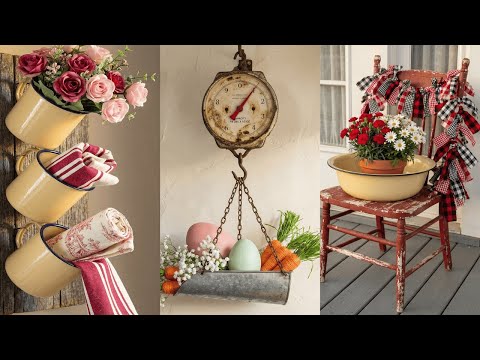
- Embrace vintage and antique finds: a single antique sewing machine repurposed as a side table or a weathered wooden ladder turned into a blanket rack adds genuine authenticity.
- Use oversized lighting fixtures: large pendant lights or chandeliers with metal and wood combinations serve as statement pieces that define farmhouse interiors.
- Incorporate natural greenery: potted herbs on the kitchen counter, eucalyptus garlands in the bathroom, and potted fiddle-leaf figs in living areas bring life and freshness indoors.
- Layer rugs intentionally: placing a jute or sisal rug over a larger neutral area rug adds dimension and warmth underfoot.
Expert designers often recommend the “three-layer rule” for farmhouse decor. Start with large anchor pieces like sofas and tables, add mid-sized elements such as shelving units and benches, and finish with small accessories like candles, books, and ceramic bowls. This layering technique creates visual depth that feels curated rather than cluttered.
Farmhouse vs. Modern Rustic: Understanding the Differences
Many homeowners confuse farmhouse style with modern rustic design, but these two aesthetics have distinct characteristics that set them apart. Understanding these differences helps you make informed design decisions that align with your personal taste and home architecture.
| Aspect | Classic Farmhouse | Modern Rustic |
| Color Palette | Predominantly white, cream, and warm neutrals | Richer tones including deep browns, charcoal, and bold accents |
| Wood Treatment | Light-toned, distressed, and weathered finishes | Dark-stained, reclaimed, and heavily textured wood |
| Metal Use | Brass and wrought iron with a vintage patina | Blackened steel and raw iron for an industrial edge |
| Overall Feel | Warm, nostalgic, and family-oriented | Edgy, bold, and contemporary with rustic undertones |
| Best Suited For | Traditional and rural home architectures | Urban lofts and contemporary home renovations |

While these styles share common roots, the farmhouse interior aesthetic leans toward lightness, airiness, and a sense of timeless simplicity. Modern rustic embraces darker palettes and more dramatic contrasts. Your choice between the two should reflect your home’s architectural style, your personal comfort preferences, and the overall atmosphere you wish to create.
Expert Tips for Achieving an Authentic Farmhouse Look
Even with the best farmhouse interior ideas, execution matters enormously. Professional interior designers share these practical tips to help you nail the style:
- Start with the walls: soft white or warm cream painted walls with subtle texture, such as limewash or Venetian plaster, instantly establish the farmhouse foundation.
- Invest in shiplap strategically: while shiplap is a farmhouse staple, overusing it can feel dated. Install it on one accent wall rather than every room.
- Mix old and new: pairing a brand-new sofa with a vintage wooden trunk or antique mirror creates the eclectic charm that defines authentic farmhouse interiors.
- Focus on natural light: sheer curtains, frosted window panes, and minimal window treatments maximize the bright, airy quality that farmhouse design is known for.
- Use open storage thoughtfully: open shelving works best in kitchens and bathrooms when styled with purpose. Group items in odd numbers and vary heights for visual interest.
- Do not neglect the outdoors: farmhouse design blurs the line between indoor and outdoor living. Front porch swings, garden-inspired decor, and natural fiber baskets reinforce this connection.

The most important piece of advice is to resist the urge to replicate a magazine spread exactly. The best farmhouse interiors feel personal, lived-in, and uniquely yours. Start with a few key pieces, build gradually, and allow the space to evolve naturally over time.
Frequently Asked Questions
What are the most affordable farmhouse interior ideas on a budget?
Budget-friendly farmhouse interior transformations start with a fresh coat of warm white paint on walls, adding shiplap to one accent wall using inexpensive plywood, swapping out cabinet hardware for matte black or brushed brass finishes, and incorporating DIY wooden crates as shelving units. Thrift stores and flea markets are goldmines for vintage farmhouse decor pieces like mason jars, wooden ladders, and antique picture frames that cost a fraction of retail prices.

How do you incorporate farmhouse interior ideas into a modern apartment?
Modern apartment dwellers can embrace farmhouse design by focusing on key elements: using reclaimed wood accent walls or floating shelves, selecting neutral linen upholstery for seating, adding warm pendant lighting, and incorporating natural textures through woven baskets, jute rugs, and cotton throws. The key is to balance the rustic elements with clean modern lines so the space feels cohesive rather than mismatched.
What wood types work best for farmhouse interior furniture and decor?
Pine, oak, and reclaimed barn wood are the most popular choices for farmhouse interiors. Pine offers an affordable, lightweight option that accepts stain beautifully, while oak provides durability and a prominent grain pattern that adds visual interest. Reclaimed wood brings authentic character and history, making it the preferred choice for statement pieces like dining tables, headboards, and media consoles.
Can farmhouse interior ideas work in small spaces?
Absolutely. Farmhouse design actually excels in small spaces because its emphasis on light colors, clean lines, and minimal clutter creates an illusion of openness. Use light-toned wood flooring, keep window treatments minimal to maximize natural light, choose furniture with exposed legs to create visual airiness, and rely on vertical storage solutions like wall-mounted shelves to maximize floor space.
What are the current farmhouse interior trends for 2024 and beyond?
The latest farmhouse interior trends include biophilic design integration with natural plants and organic materials, dark and moody farmhouse palettes that move beyond traditional light neutrals, curved furniture pieces that soften the rigid lines of classic farmhouse styling, and a growing emphasis on sustainability through the use of reclaimed and upcycled materials. Mixing farmhouse elements with Japandi and Scandinavian influences is also gaining significant traction among contemporary homeowners.
Conclusion
Farmhouse interior ideas offer a timeless, deeply satisfying approach to home design that continues to evolve while staying true to its roots. Whether you are drawn to the classic warmth of a traditional farmhouse living room or the fresh, updated take on modern farmhouse kitchen design, the principles remain the same: natural materials, intentional simplicity, and a genuine sense of comfort. By layering textures, selecting a thoughtful color palette, and blending vintage finds with contemporary pieces, you can create a space that feels both authentic and deeply personal. Start with one room, let the style guide your choices, and watch as your home transforms into the warm, welcoming retreat you have always envisioned.