There is something deeply satisfying about transforming a raw piece of lumber into a functional, beautiful object with your own two hands. DIY wood projects have surged in popularity over the past few years, and it is easy to see why. Whether you are looking for weekend woodworking hobbies, practical home organization solutions, or meaningful handmade gifts, building with wood offers a creative outlet that few other crafts can match. This comprehensive guide walks you through everything from your very first cutting board to advanced furniture builds, with expert tips, tool recommendations, and project ideas that actually work.
Why DIY Wood Projects Have Exploded in Popularity
Woodworking as a hobby has experienced a remarkable renaissance. The rise of platforms like Pinterest, YouTube, and TikTok has exposed millions of people to stunning wood creations, sparking curiosity and action. But the appeal goes deeper than social media trends. People are increasingly drawn to handmade woodworking projects because they offer a tangible counterbalance to our digital, disposable culture. There is a growing desire to slow down, learn a practical skill, and create something that lasts.
Cost savings also play a major role. A store-bought entryway bench can run you several hundred dollars, but building one from a single pine board and some basic hardware often costs a fraction of that. Customization is another huge draw — when you build it yourself, every dimension, joint, and finish is exactly how you want it.
Best Beginner DIY Wood Projects to Start With
If you have never picked up a handsaw or touched a sander, the most important thing is to start with projects that build confidence without overwhelming you. Simple woodworking projects teach foundational skills — measuring accurately, cutting cleanly, sanding properly, and assembling securely — that serve as the backbone for everything you will build later.
Simple Projects for First-Timers
These beginner-friendly builds require minimal tools and deliver impressive results:
- Wooden cutting board — A great introduction to gluing, clamping, and sanding different wood species together.
- Floating wall shelves — Teaches you to measure level, drill clean holes, and mount hardware properly.
- Plant stand — Simple joinery and a satisfying project you can finish in an afternoon.
- Picture frame — Introduces miter cuts and the importance of precise 45-degree angles.
- Simple birdhouse — A classic first project that teaches basic assembly and exterior finishing.
The key at this stage is not complexity but consistency. Every cut you make accurately, every joint you glue tight, and every surface you sand smooth builds a skill set that compounds over time.
Intermediate DIY Wood Projects That Build Real Skills
Once you have completed a handful of beginner projects and feel comfortable with basic tools, it is time to level up. Intermediate woodworking projects introduce more sophisticated techniques like dado joints, pocket hole joinery, and basic wood bending.
Consider these rewarding intermediate builds:
- Floating wood desk — Combines precision joinery with a sleek, modern aesthetic.
- Bench-style entryway storage — Involves building a frame, adding slats, and incorporating storage compartments.
- Farm-style dining table — A signature project that teaches you to work with longer boards, manage wood movement, and apply a durable finish.
- Outdoor pallet sofa — Introduces working with reclaimed materials and weather-resistant finishes.
- Jewelry box with dovetail joints — A beautiful project that elevates your hand-cut joinery skills.
At the intermediate level, investing in a few key power tools makes a dramatic difference in both efficiency and quality. A cordless drill, an orbital sander, and a miter saw will open up an entirely new range of possibilities for your woodworking journey.

Advanced DIY Wood Projects for Experienced Builders
Advanced woodworkers crave complexity, elegance, and precision. These challenging DIY wood projects push your abilities to their limits and produce showpieces that rival professional furniture.
Consider tackling one of these ambitious builds when you are ready:
- Live-edge river coffee table — Requires selecting and stabilizing live-edge slabs, pouring epoxy resin, and achieving a glass-smooth finish.
- Knave-dwarf bookshelf with complex joinery — Combines mortise-and-tenon joints with decorative through-tenons for a visually striking piece.
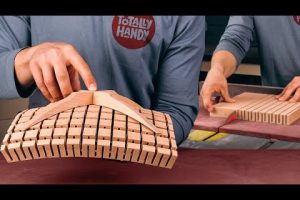
- Wall-mounted curved desk — Involves steam bending or lamination bending techniques to create sweeping curves.
- Custom built-in entertainment center — A room-defining project that demands precise measurements, cabinetry skills, and finish carpentry expertise.
Advanced projects also require a deeper understanding of wood behavior — how species expand and contract with humidity changes, how grain direction affects cutting and finishing, and how to select lumber that is properly dried and stabilized.
Essential Tools and Materials for DIY Wood Projects

You do not need a fully equipped workshop to get started, but having the right tools and materials at your disposal makes every project safer, faster, and more enjoyable.
Must-Have Power Tools
These power tools form the foundation of any functional woodworking setup:
- Cordless drill/driver — The single most used tool in any DIY wood shop.
- Circular saw or table saw — Essential for breaking down raw lumber into project-sized pieces.
- Random orbit sander — Saves hours of hand-sanding and delivers a uniform, smooth finish.
- Miter saw or miter box — Critical for making accurate crosscuts and angle cuts.

Hand Tools and Finishing Supplies
Do not overlook the value of quality hand tools. A sharp chisel set, a reliable tape measure, a combination square, and a good set of clamps will serve you on every project from start to finish. For finishing, stock up on sandpaper in multiple grits (80 through 220), wood glue, polyurethane or Danish oil, and a quality brush or foam applicator.
Comparing Wood Types for DIY Wood Projects
Choosing the right wood species is one of the most impactful decisions you will make for any project. Different woods vary dramatically in price, workability, durability, and appearance.
| Wood Type | Price Range | Workability | Best For |
| Pine | $2–$6 per board foot | Very easy to cut and sand | Beginner projects, rustic furniture |
| Oak (White) | $5–$12 per board foot | Moderate; open grain requires extra sanding | Tables, shelves, durable casework |
| Maple | $6–$15 per board foot | Hard but smooth; excellent for turning | Cutting boards, kitchen furniture |
| Walnut | $10–$25 per board foot | Excellent; machines and hand-tools well | Premium furniture, heirloom pieces |
| Cedar | $4–$10 per board foot | Soft and aromatic; resists moisture | Outdoor projects, garden beds |
For beginners, poplar and pine offer the best balance of affordability and workability. As you gain experience, many woodworkers transition toward hardwoods like walnut and maple for higher-end projects.
Expert Tips That Separate Amateurs from Craftspeople
After years of building and learning, a few principles consistently separate projects that look professional from those that look like they were thrown together in a hurry:
- Measure twice, cut once — then measure again. Precision starts long before the blade touches the wood.
- Invest in sharp tools. A dull blade tears wood fibers and leaves surfaces rough, no matter how carefully you sand afterward.
- Always sand in the direction of the grain. Cross-grain sanding creates scratches that become visible after finishing.
- Dry-fit everything before gluing. Assembling without glue first lets you catch misalignments and adjust tolerances.
- Apply finish in thin, even coats. Thick coats drip, trap bubbles, and create an uneven sheen that is difficult to fix.
- Let wood acclimate to your shop environment for at least 48 hours before cutting. This reduces warping and movement after assembly.
Another often-overlooked tip is to keep a project journal. Sketch your designs, note measurements, record what worked and what did not. Over time, this becomes an invaluable resource that accelerates your learning curve dramatically.
Conclusion
DIY wood projects offer a rewarding blend of creativity, practical skill-building, and tangible results that few hobbies can match. Whether you are cutting your first simple shelf or crafting a live-edge dining table, every project moves you closer to becoming a more capable, confident woodworker. Start simple, invest in quality tools, choose the right materials for each build, and — most importantly — enjoy the process. The woodshop is a place where mistakes become lessons and every cut teaches you something new.
FAQs About DIY Wood Projects
What are the easiest DIY wood projects for absolute beginners?
The easiest projects to start with include a basic wooden cutting board, simple floating wall shelves, a picture frame, and a small plant stand. These builds require only a few hand tools, minimal lumber, and basic techniques like straight cuts, gluing, and sanding. They build foundational confidence without requiring expensive equipment or advanced skills.
What tools do I need to start DIY woodworking at home?
A cordless drill/driver, a circular saw or miter saw, a random orbit sander, a tape measure, a combination square, and a set of bar clamps will cover the vast majority of beginner and intermediate projects. You do not need a full workshop — a garage corner or spare room with a sturdy workbench is sufficient to get started.
Which wood species are best for first-time DIY wood projects?
Pine and poplar are widely considered the best choices for beginners because they are affordable, readily available at most home centers, and easy to cut, sand, and finish. As your skills develop, transitioning to hardwoods like oak, walnut, and maple opens up more advanced finishing techniques and yields more refined results.
How much does it typically cost to start a DIY wood project?
A basic beginner project like a cutting board or wall shelf can often be completed for under $30 in materials. Intermediate projects such as a bench or small table typically run between $50 and $150 depending on the wood species and hardware. Advanced builds like a live-edge table or custom cabinetry can range from $200 to well over $1,000, especially when using premium hardwoods and specialty finishes.
Can I use reclaimed or pallet wood for DIY wood projects?
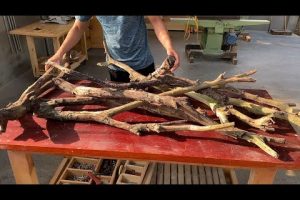
Absolutely. Reclaimed wood and pallets are popular choices for rustic and industrial-style builds. However, always inspect reclaimed lumber carefully for hidden nails, screws, and chemical treatments. Pallet wood designated as HT (heat-treated) is safe for indoor use, while those marked MB (methyl bromide) should be avoided entirely due to toxic fumigation residues.