


Cinder block garden designs have evolved far beyond their utilitarian roots, emerging as one of the most versatile and budget-friendly approaches to creating stunning outdoor spaces. Whether you are a seasoned gardener looking to maximize growing space or a homeowner wanting to add architectural interest to a backyard, cinder block gardens offer a winning combination of durability, affordability, and creative potential. These structures are not just functional—they become living sculptures that define garden zones, improve drainage, and provide built-in planting pockets that traditional raised beds simply cannot match. In this comprehensive guide, we will explore everything from foundational design principles to advanced styling techniques that will transform your outdoor area into a horticultural masterpiece.
Why Cinder Block Garden Designs Are Gaining Popularity
The rise of cinder block garden designs stems from their unmatched practicality and aesthetic flexibility. Unlike wood planters that rot or metal containers that overheat, concrete blocks withstand harsh weather, resist pests, and last for decades with minimal maintenance. Gardeners increasingly turn to cinder block construction because it solves multiple landscape challenges simultaneously—creating level growing surfaces on sloped terrain, defining borders without expensive fencing, and building vertical growing walls that maximize small spaces.
Another driving factor is the sustainability movement. Repurposing cinder blocks keeps construction waste out of landfills while creating growing environments that naturally regulate soil temperature. The hollow centers of standard blocks become built-in planters, and the solid faces can be painted, textured, or left natural depending on your design vision.
Top Cinder Block Garden Design Ideas for Every Skill Level
Beginner-Friendly Cinder Block Garden Layouts
If you are new to cinder block gardening, start with simple linear configurations that require minimal cutting or specialized tools. A straight garden bed made from two rows of blocks stacked two high creates an instant raised planting area. The key to beginner success lies in preparation—leveling the ground, laying landscape fabric underneath to prevent weed intrusion, and filling blocks with quality potting mix before planting.
- Single-row herb spiral: Arrange blocks in a spiral pattern for compact herb gardens
- Straight border beds: Line walkways with single-height cinder blocks for clean definition
- Tiered plant stands: Stack blocks in staggered rows to create visual depth without complex construction
- Square foot adaptation: Fill block cores with soil for intensive small-space growing
Intermediate Designs for Visual Impact
Once you have mastered basic cinder block arrangements, you can explore curved layouts, integrated seating features, and multi-functional structures that elevate your garden’s aesthetic appeal. Intermediate designs often incorporate angled blocks, decorative caps, and color treatments that transform utilitarian concrete into a design statement.
- Curved retaining walls with built-in planters: Use half-blocks or angled cuts to create flowing garden borders
- Cinder block benches: Build wider seats with planted tops using capstones and soil depth
- Vertical tower gardens: Stack blocks vertically with staggered openings for cascading plants
- Fire pit surround gardens: Combine cinder block seating with surrounding planting beds for cohesive outdoor rooms
Advanced Cinder Block Garden Structures
Advanced cinder block garden designs push into architectural territory, incorporating structural engineering principles and artistic finishes that rival expensive masonry work. These projects may require basic construction knowledge, but the results are extraordinary—permanent installations that become focal points of your entire landscape.
Consider building multi-room garden dividers using cinder blocks with arched openings, creating intimate garden “rooms” that feel like secret retreats. Or construct a full cinder block greenhouse frame with integrated planting channels, combining structural integrity with agricultural functionality. Some gardeners even install water features within cinder block walls, using the hollow cores as channels for recirculating water systems.
Choosing the Right Cinder Blocks for Your Garden
Not all cinder blocks are created equal when it comes to garden design. Standard 8x8x16-inch blocks offer the best versatility, but half-blocks and decorative shapes open additional creative possibilities. The key factors to consider include block density, surface texture, and porosity—elements that directly affect plant health and structural stability.
For edible gardens, always select blocks labeled as safe for food contact and avoid treated or painted blocks where vegetables will grow in direct contact with the concrete surface. Garden-grade cinder blocks should be free from harmful chemical leaching and should provide adequate drainage through their core openings.
Step-by-Step Planning Guide for Cinder Block Gardens

Before you purchase a single block, invest time in thoughtful planning. A well-designed cinder block garden saves materials, reduces labor, and delivers superior growing results.
Step 1: Measure your available space and sketch the garden layout on graph paper. Include sun exposure patterns throughout the day.
Step 2: Calculate block quantities by measuring the perimeter of each design element and dividing by the standard block length.
Step 3: Prepare the site by clearing vegetation, leveling the ground, and installing a compacted gravel base for drainage.
Step 4: Lay blocks dry first to test the design, then apply masonry mortar for permanent installations or use sand for semi-permanent arrangements.
Step 5: Fill cores and surface areas with a high-quality soil mix amended with compost for optimal growing conditions.

Cinder Block Garden Design Comparison
| Design Type | Difficulty Level | Cost per Linear Foot | Best For |
| Simple Raised Bed | Beginner | $5–$12 | Vegetable growing, small spaces |
| Curved Border Wall | Intermediate | $15–$25 | Landscaping, erosion control |
| Vertical Tower Garden | Intermediate | $20–$35 | Small yards, herbs, strawberries |
| Architectural Garden Room | Advanced | $40–$80 | Large properties, permanent features |
Expert Tips for a Stunning Cinder Block Garden
Take your cinder block garden from ordinary to extraordinary with these professional recommendations from experienced landscape designers and master gardeners.
- Paint or stain blocks before installation: Use exterior masonry paint in colors that complement your home’s exterior palette. This simple step dramatically increases visual appeal.
- Add capstones for a polished finish: Topping blocks with decorative concrete caps or natural stone creates a finished look and prevents soil from washing out.
- Plant trailing varieties in block cores: Sweet alyssum, creeping thyme, and strawberry plants naturally cascade through the holes, softening the hard edges of concrete.
- Incorporate built-in irrigation channels: Run drip irrigation lines through the hollow cores for efficient, automated watering that reaches plant roots directly.
- Use contrasting block colors: Mixing gray, tan, and textured blocks creates a modern mosaic effect that draws the eye and adds dimension to flat garden walls.
- Anchor blocks with rebar for tall structures: Any cinder block wall exceeding three feet in height should be reinforced with steel rebar driven into the ground at each corner.
Frequently Asked Questions
1. Can you plant directly in cinder block gardens without filling the cores? Yes, you can plant directly into the hollow cores of cinder blocks by filling them with soil or coco coir. This method works exceptionally well for herbs, lettuce, and small flowers. However, for larger plants like tomatoes or peppers, you should supplement core planting with surface-level beds filled with quality garden soil to provide adequate root space and nutrients.
2. Are cinder block gardens safe for growing vegetables and edible plants? Cinder block gardens are generally safe for edible gardens, especially when using new, untreated blocks labeled as food-safe. Avoid using older blocks that may contain fly ash or chemical contaminants. To be extra cautious, line the interior planting surfaces with food-grade landscape fabric or use a thick layer of mulch to prevent direct soil-to-concrete contact where possible.
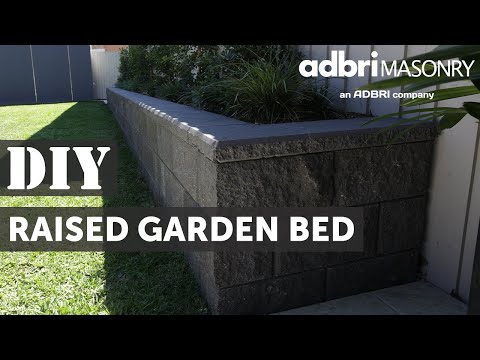
3. How do you prevent cinder block garden walls from toppling over? Stability depends on proper base preparation and block placement. Always set cinder blocks on a compacted gravel foundation rather than bare soil. For walls taller than two feet, backfill with gravel or compacted soil behind the wall to provide lateral support. Mortar or adhesive bonding between rows adds significant structural integrity compared to dry-stacked arrangements.
4. What is the best soil mix for filling cinder block gardens? A blend of 60% topsoil, 30% compost, and 10% perlite or vermiculite creates the ideal growing medium for cinder block gardens. This combination provides excellent drainage through the block cores while retaining enough moisture for root development. Avoid using heavy clay soils alone, as they compact within the narrow block openings and restrict airflow to plant roots.
5. How long do cinder block garden designs last before needing replacement? High-quality cinder block garden structures can last 30 to 50 years or more with proper installation. The blocks themselves resist rot, insect damage, and UV degradation indefinitely. The primary maintenance concern is mortar deterioration over decades, which can be repaired easily by repointing joints every 15 to 20 years as needed.
Conclusion
Cinder block garden designs represent one of the most rewarding investments you can make in your outdoor living space. From simple beginner beds that get you growing in an afternoon to elaborate architectural installations that redefine your landscape, the possibilities are virtually limitless. The combination of structural durability, creative flexibility, and cost-effectiveness makes cinder blocks an ideal medium for gardeners at every experience level. Start with one simple design this weekend, and watch how quickly these versatile concrete blocks transform from building materials into the centerpiece of a thriving, beautiful garden that delivers fresh produce, vibrant flowers, and lasting outdoor enjoyment for years to come.