


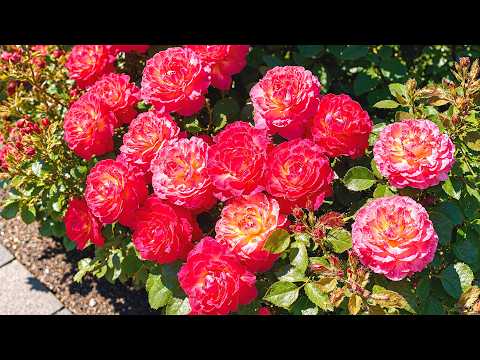
A beautiful garden is more than just a collection of plants arranged in rows — it is a living masterpiece that transforms outdoor spaces into sanctuaries of color, fragrance, texture, and serenity. Whether you are a first-time gardener with a small backyard or a seasoned horticulturist managing expansive landscape beds, the pursuit of a stunning outdoor space is both deeply personal and universally rewarding. The key to creating a beautiful garden design lies in understanding the interplay between plant selection, layout planning, seasonal interest, and sustainable maintenance practices. In this comprehensive guide, we will walk you through proven strategies, expert tips, and actionable steps that will help you build a garden that looks breathtaking throughout every season of the year.

What Makes a Garden Truly Beautiful?
Beauty in a garden is not just about having rare or expensive plants. It is about harmony, balance, and intention. A beautiful garden integrates several elements that work together to create visual appeal and emotional resonance.
The Core Principles of Garden Beauty
- Color Harmony: Choosing plant palettes that complement each other — whether you prefer monochromatic schemes, analogous colors, or bold contrasting combinations — sets the foundation for visual impact.
- Texture and Form: Mixing plants with different leaf shapes, heights, and growth habits adds depth and dimension that keeps the eye moving.
- Focal Points: A well-placed garden statue, water feature, or specimen tree draws attention and gives the space a sense of purpose.
- Scent and Sound: Fragrant flowers like jasmine, lavender, and gardenias, combined with the gentle sound of water or wind chimes, engage senses beyond sight.
- Seasonal Continuity: The best gardens offer something of interest in every season — spring blossoms, summer blooms, autumn foliage, and winter structure.
Planning Your Beautiful Garden Layout
Before you plant a single seed or dig a single hole, thoughtful planning is essential. A well-designed garden layout considers sunlight patterns, soil conditions, drainage, and the mature size of plants. Start by mapping your space and identifying the microclimates within it — areas that are sunny, shaded, moist, or dry.
Essential Steps for Garden Planning
- Measure your garden area and sketch a rough plan on graph paper or use a digital garden design tool.
- Identify the direction your property faces to determine sun exposure patterns.
- Test your soil pH and nutrient levels using a home testing kit or a local extension service.
- Choose a garden style that resonates with your home architecture — cottage gardens, modern minimalist, formal French, Japanese zen, or Mediterranean.
- Plan pathways and borders to guide movement through the space naturally.
- Select plants suited to your USDA hardiness zone and local climate conditions.
Remember that a beautiful garden evolves over time. Do not try to achieve perfection in a single season. Allow yourself the freedom to experiment, rearrange, and grow alongside your plants.
Best Plants for Creating a Stunning Garden
Plant selection is arguably the most exciting part of any garden project. The right combination of perennials, annuals, shrubs, and trees creates layers of interest and ensures your garden remains vibrant year after year. Below are some of the most beloved choices for crafting a beautiful garden space.
| Plant Type | Examples | Best For |
| Perennial Flowers | Coneflowers, Black-eyed Susans, Hostas, Salvia | Year-round structure and reliable blooms |
| Shrubs | Hydrangeas, Boxwood, Butterfly Bush, Ninebark | Privacy hedges and architectural framing |
| Ornamental Grasses | Fountain Grass, Maiden Grass, Blue Fescue | Movement, texture, and winter interest |
| Annual Flowers | Petunias, Marigolds, Zinnias, Impatiens | Seasonal color bursts and container gardens |
| Trees | Japanese Maple, Dogwood, Crepe Myrtle, Magnolia | Canopy shade and seasonal spectacle |
| Ground Covers | Creeping Thyme, Sedum, Ajuga, Pachysandra | Filling gaps and suppressing weeds naturally |
Expert Planting Tips
- Group plants in odd numbers — threes, fives, and sevens — for a more natural and aesthetically pleasing look.
- Layer plants by height, placing taller specimens at the back and shorter ones in front to create a cascading effect.
- Pair plants with similar water and light requirements to simplify maintenance.
- Incorporate native species to attract pollinators like bees, butterflies, and hummingbirds.
Maintaining a Beautiful Garden Through the Seasons

Even the most spectacular garden will lose its charm without consistent care. Maintenance is not a chore — it is an investment in the longevity and beauty of your outdoor space. Here are seasonal recommendations that every gardener should follow.
Spring
As temperatures rise and frost risk diminishes, spring is the ideal time for soil preparation, planting new additions, and dividing overgrown perennials. Apply a layer of organic mulch to retain moisture and suppress weeds. Prune any winter-damaged branches on shrubs and trees to encourage healthy new growth.
Summer
During the heat of summer, consistent watering becomes critical. Water early in the morning to reduce evaporation and fungal disease. Deadhead spent blooms on flowering plants to encourage continuous flowering. Watch for pests like aphids and Japanese beetles, and address infestations promptly with organic solutions.
Autumn
Fall is the perfect season for planting trees, shrubs, and spring-blooming bulbs. Rake fallen leaves and compost them to enrich your soil naturally. Cut back perennials that have finished their growing cycle, but leave seed heads standing to feed birds during winter months.
Winter
Even in colder months, your garden needs attention. Protect vulnerable plants with burlap wraps or frost cloth. Plan next year’s garden layout, order seed catalogs, and maintain tools and equipment so everything is ready when spring arrives.
Sustainable Practices for a Beautiful and Eco-Friendly Garden
Modern gardening increasingly emphasizes sustainability. A beautiful garden and an environmentally responsible garden are not mutually exclusive — in fact, they reinforce each other beautifully. Adopting eco-friendly practices not only reduces your environmental footprint but also creates healthier, more resilient garden ecosystems.
- Composting: Turn kitchen scraps and garden waste into nutrient-rich compost that feeds your soil naturally.
- Rainwater Harvesting: Install rain barrels to collect free, chlorine-free water for irrigation.
- Companion Planting: Pair plants that benefit each other — such as basil near tomatoes to repel pests — reducing the need for chemical interventions.
- Organic Fertilizers: Use bone meal, fish emulsion, or worm castings instead of synthetic fertilizers to promote long-term soil health.
- Pollinator-Friendly Design: Include flowering plants that bloom across seasons to provide continuous nectar sources for bees and butterflies.
Common Mistakes to Avoid When Designing a Beautiful Garden

Even enthusiastic gardeners can fall into traps that undermine their efforts. Being aware of these common pitfalls helps you save time, money, and frustration.
- Overcrowding plants: Giving each plant adequate space prevents competition for nutrients, water, and airflow, reducing disease risk.
- Ignoring soil health: Healthy soil is the foundation of a thriving garden. Amend poor soil with compost before planting.
- Choosing plants for instant gratification: Gardens need time to mature. Be patient and plan for growth.
- Neglecting hardscaping: Pathways, edging, and seating areas define the structure of a garden and make it functional as well as beautiful.
- Underestimating maintenance requirements: Choose a garden style and plant palette that matches the time and energy you can realistically commit.
Comparing Garden Styles: Finding the Right Aesthetic for Your Space
Not all gardens suit every homeowner. Different styles reflect different personalities, climates, and lifestyle preferences. Consider the following comparison when deciding which direction to take your beautiful garden.
| Garden Style | Key Features | Best Suited For | Maintenance Level |
| Cottage Garden | Loose, overflowing plantings; mixed flowers, herbs, and vegetables | Country homes, casual gardeners | Moderate to high |
| Modern Minimalist | Clean lines, sculptural plants, limited color palette | Urban spaces, contemporary architecture | Low to moderate |
| Japanese Zen | Raked gravel, moss, stone lanterns, carefully pruned trees | Tranquil spaces, meditation areas | Moderate |
| Mediterranean | Drought-tolerant plants, gravel paths, terracotta pots | Warm, dry climates | Low to moderate |
| Formal English | Symmetrical layouts, trimmed hedges, structured rose beds | Larger properties, traditional homes | High |
Conclusion
Creating a beautiful garden is one of the most fulfilling endeavors a homeowner can pursue. It blends art, science, patience, and creativity into a single pursuit that enriches your daily life and increases your property value. From the initial planning stages to the final planting details, every decision contributes to the overall aesthetic and functionality of your outdoor sanctuary. Start with clear goals, choose plants wisely, embrace sustainable practices, and give yourself the grace of learning as you grow. The most beautiful gardens are not the ones that were built overnight — they are the ones that were nurtured with care, curiosity, and a genuine love for the natural world.
Frequently Asked Questions About Beautiful Gardens
What are the best low-maintenance plants for a beautiful garden?
Plants like lavender, Russian sage, sedum, ornamental grasses, and native wildflowers are excellent choices for low-maintenance gardens. They require less watering, are generally resistant to pests, and provide consistent visual appeal throughout the growing season.
How do I make my small garden look bigger and more beautiful?
Use vertical gardening techniques like trellises and wall-mounted planters, incorporate mirrors strategically, choose a cohesive color palette to create depth, and use curved pathways to draw the eye and suggest more space than actually exists.
What is the best time of year to start a beautiful garden from scratch?
Spring is the most popular time, but early autumn is equally effective because cooler temperatures and fall rains allow roots to establish before winter dormancy, giving your garden a head start the following spring.
How can I make my garden beautiful on a tight budget?
Start with seeds instead of nursery seedlings, propagate plants from cuttings, swap plants with neighbors, use compost and mulch from your own yard waste, and focus on affordable perennials that return year after year without replanting.
What role does lighting play in making a garden beautiful at night?
Outdoor lighting transforms a garden into a completely different experience after dark. Use solar-powered stake lights along pathways, uplighting to highlight specimen trees or architectural features, and soft string lights over seating areas to create a warm, inviting atmosphere that extends your enjoyment of the space well into the evening hours.