


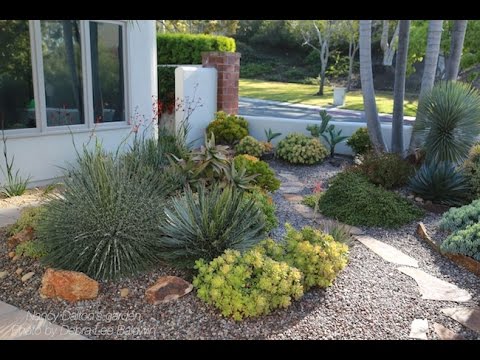
If you have ever driven past a beautifully landscaped desert yard and thought, “I want that in my own backyard,” you are not alone. Cactus garden design has exploded in popularity over the past few years, and for good reason. These low-maintenance, visually striking outdoor spaces bring a bold, modern aesthetic to any property while requiring remarkably little water and care. Whether you are a complete beginner looking to create your first desert-inspired landscape or an experienced gardener ready to experiment with advanced succulent arrangements, this guide covers everything you need to know about designing a cactus garden that looks incredible year after year. From container choices and species selection to layout principles and long-term maintenance, we are going deep into the world of cactus landscaping so you can build a space that is uniquely yours.
Why Cactus Garden Design Is Worth Exploring
Cactus gardens are more than just a trend. They represent a fundamental shift in how homeowners think about outdoor spaces, especially in regions facing water scarcity and increasing drought conditions. A well-designed cactus garden can reduce outdoor water usage by up to 70% compared to traditional lawns. Beyond the practical benefits, there is something deeply appealing about the sculptural forms, geometric patterns, and architectural textures that cacti naturally provide. Designers and landscape architects frequently incorporate desert plants into contemporary and xeriscape projects because they deliver maximum visual impact with minimal ongoing effort. If you live in a warm, arid climate or simply want a garden that thrives with neglect, cactus garden design offers an unmatched combination of beauty and resilience.
Essential Principles of Cactus Garden Design
Before you start selecting plants or digging into soil, it helps to understand the core design principles that separate a mediocre cactus arrangement from a truly stunning one. These principles apply whether you are working with a small balcony container or a sprawling backyard xeriscape.
Scale and Proportion
The size of your cactus garden should reflect the scale of your outdoor space. Tall columnar cacti like Carnegiea gigantea (the iconic saguaro) work beautifully as focal points in large landscapes, while smaller globular varieties like Echinopsis or Gymnocalycium shine in compact patios and containers. Always plan for mature plant size — many popular cacti double or triple their height over a decade, and crowding them leads to poor airflow and disease.
Color and Texture Contrast

Cacti are often monochromatic, but that does not mean your garden has to feel flat. Pair blue-green Opuntia varieties with the deep violet spines of Echinocereus. Add accent plants like Agave, Aloe, or low-growing Sedum to introduce contrasting leaf shapes and colors. Gravel, decomposed granite, and desert rock further amplify the visual depth of your design.
Focal Points and Flow

Every successful cactus garden needs a commanding centerpiece — a large barrel cactus, a sculptural tree-like species, or an artistic container arrangement. From that focal point, arrange plants in flowing, naturalistic groupings that guide the eye through the space rather than rigid rows that feel more like a nursery than a landscape.
Container Considerations for Cactus Gardens
If you are designing a container-based cactus garden, the vessel matters just as much as the plants. Terracotta pots are ideal because their porous walls allow excess moisture to evaporate, reducing the risk of root rot. Glazed ceramic containers offer a sleek, modern look but require more careful watering. Regardless of material, every pot must have drainage holes — this is non-negotiable for healthy cacti. For raised bed designs, consider using hypertufa or carved stone troughs, which naturally complement the desert aesthetic while providing excellent drainage.
Best Cactus Species for Garden Design
Choosing the right cactus species is the backbone of any successful cactus garden design. Not all cacti are created equal in terms of hardiness, size, and visual impact. Below is a curated guide to species that perform exceptionally well in designed landscapes.
| Cactus Species | Mature Height | Hardiness Zone | Best Use | Key Feature |
| Saguaro (Carnegiea gigantea) | 30–60 ft | 9–11 | Landscape focal point | Iconic branching form |
| Barrel Cactus (Ferocactus) | 1–4 ft | 9–11 | Midground clusters | Ribbed, spherical shape |
| Prickly Pear (Opuntia) | 1–6 ft | 3–11 | Ground cover or hedge | Paddle-shaped pads |
| Golden Barrel (Echinocactus grusonii) | 1–3 ft | 9–11 | Container centerpiece | Vibrant yellow spines |
| Hedgehog Cactus (Echinocereus) | 6–18 in | 5–11 | Rock garden accents | Vivid spring blooms |
| Organ Pipe Cactus (Stenocereus thurberi) | 15–25 ft | 9–11 | Privacy screen or anchor | Multi-stemmed, night-blooming |
| Fishhook Cactus (Mammillaria) | 3–8 in | 9–11 | Container detail | Compact, showy flowers |
When selecting species, always cross-reference your USDA hardiness zone with each cactus’s cold tolerance. Some species like Opuntia and Echinocereus handle surprisingly cold winters, while others need consistent warmth. This table is a starting point — your local nursery can offer the best regional advice for your specific cactus garden design.
Designing Your Cactus Garden Layout
The layout stage is where your vision comes together with practical design strategy. A thoughtful arrangement accounts for sunlight exposure, viewing angles, irrigation zones, and the natural growth habits of each species.
Beginner-Friendly Layout Ideas
- The Desert Rockery: Place large boulders and river rock as anchors, then tuck smaller cacti like Mammillaria and Gymnocalycium into crevices around the rocks. Fill gaps with decomposed granite for a cohesive desert look.
- The Container Cluster: Arrange three to five pots of varying heights on a patio or deck. Use a tall columnar cactus as the centerpiece, surrounded by shorter globular species and trailing Sedum or Senecio for spillover effect.
- The Raised Bed Xeriscape: Build a waist-height raised bed filled with gritty cactus mix. Plant in triangular groupings for natural visual flow, and add a layer of crushed red rock as mulch.
Advanced Arrangement Techniques
Once you have mastered the basics, you can explore more sophisticated design strategies. Consider creating depth by placing taller species toward the back and gradually stepping down to low-growing ground covers like Dudleya or Sempervivum at the front edge. Use elevation changes — raised mounds, terraced steps, or even a small berm — to add dimension. Night-blooming species like the Queen of the Night cactus can be positioned near seating areas so you can enjoy their fragrance during evening gatherings. For a truly professional result, sketch your layout on graph paper first, mapping sun exposure patterns across the full day and noting where water runoff naturally flows.
Soil, Drainage, and Planting Best Practices
Cactus garden design is only as good as the foundation beneath your plants. Standard potting soil holds too much moisture and will cause root rot in virtually every cactus species. The ideal growing medium is a fast-draining blend that you can create yourself by mixing:
- 1/3 coarse pumice or perlite
- 1/3 coarse sand or decomposed granite
- 1/3 high-quality cactus potting mix or coconut coir
For in-ground designs, amend native soil generously with pumice and coarse sand to improve drainage. In areas with heavy clay soil, consider building raised beds or berms so water does not pool around cactus roots. When planting, always let freshly transplanted cacti dry out for five to seven days before their first watering — this allows any root damage to callus over and prevents fungal infection.
Maintenance and Long-Term Care
One of the greatest advantages of a cactus garden is how little maintenance it demands once established. That said, a few strategic practices will keep your design looking its best for years:
- Watering: Deep, infrequent watering during the growing season (spring and summer) followed by complete dormancy watering in winter. Overwatering is the number one killer of cacti.
- Fertilizing: Use a low-nitrogen, high-phosphorus fertilizer diluted to half strength once during the spring growing season.
- Pruning and Grooming: Remove dead or damaged pads and spent flower stalks promptly. For barrel cacti, gently clear debris from the crown to prevent rot.
- Pest Management: Watch for mealybugs, scale insects, and cactus longhorn beetles. Treat infestations early with insecticidal soap or a diluted neem oil solution.
- Winter Protection: In zones below hardiness rating, cover sensitive species with frost cloth or move container cacti to a sheltered, unheated indoor location.
Keeping a simple maintenance log — noting watering dates, fertilizer applications, and any pest issues — helps you spot patterns and catch problems early before they affect the overall health and appearance of your cactus garden design.
Frequently Asked Questions
What are the best small cactus species for balcony garden design?
Compact species like Mammillaria, Gymnocalycium mihanovichii (the moon cactus), and Arachnocactus thrive in balcony containers. Their small footprint and slow growth make them perfect for limited space designs. Pair them with decorative rocks and a well-draining potting mix for the best results.
How do I design a cactus garden for full sun with high temperatures?
In extreme heat, prioritize drought-tolerant species like Ferocactus, Echinocactus, and Carnegiea. Use light-colored gravel or decomposed granite as ground cover to reflect heat rather than absorb it. Position taller cacti on the western side of the garden to provide afternoon shade for smaller, more sensitive species.
Can I incorporate cactus garden design in cold climates?
Absolutely. Hardy species like Opuntia fragilis and Echinocereus reichenbachii survive temperatures well below freezing. Raised beds with excellent drainage and winter mulching with dry gravel can protect roots during wet, cold periods. Research cold-hardy varieties specific to your zone before planting.
What materials pair best with cactus garden landscaping?
Natural materials like natural stone, flagstone, slate, and weathered wood complement the desert aesthetic. Avoid plastic edging or bright-colored mulch. For pathways, consider decomposed granite, Mexican beach pebbles, or stabilized crushed rock — all of which reinforce the arid theme while providing functional drainage.
How long does it take for a cactus garden to look established?
A cactus garden typically looks filled and cohesive within one to three growing seasons, depending on the species and their starting sizes. Fast-growing varieties like Opuntia and certain Echinocereus fill in quickly, while slow growers like Saguaro and Ferocactus may take several years to reach their full visual impact. Plan for patience and use temporary accent plants during the establishment phase.
Is cactus garden design expensive to set up?
Compared to traditional lawns or heavily irrigated gardens, cactus garden design is significantly more affordable over time. Initial costs depend on plant selection and hardscaping materials, but ongoing expenses for water, fertilizer, and maintenance are dramatically lower. Container-based designs can be especially budget-friendly, allowing you to start small and expand as your collection grows.
Final Thoughts
Cactus garden design is one of the most rewarding landscaping ventures you can undertake. It challenges you to think creatively about texture, form, and spatial arrangement while rewarding you with a garden that practically designs itself once the right plants are in the right places. Start with a clear vision, invest in quality soil and drainage, choose species suited to your climate, and trust the process as your garden matures. Whether your goal is a sleek modern patio arrangement or a sprawling desert xeriscape, the principles outlined in this guide will set you on the path to creating a cactus garden that is not only beautiful but enduring. Grab your gloves, pick up a trowel, and start building the desert landscape you have always imagined.