


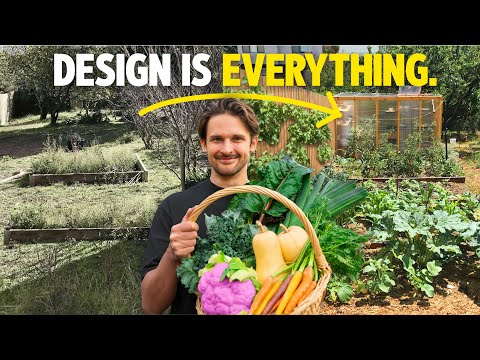
Starting a backyard garden layout is one of the most rewarding decisions any homeowner can make. Whether you are a complete beginner dreaming of fresh tomatoes or an experienced gardener planning a full-scale homestead design, the way you arrange your outdoor space directly impacts plant health, productivity, and visual appeal. A well-planned backyard garden layout transforms a flat patch of grass into a functional, beautiful ecosystem that feeds your family, supports pollinators, and increases property value. In this guide, we will walk you through proven strategies, creative design ideas, and practical steps to help you build the garden of your dreams right outside your back door.
Why Your Backyard Garden Layout Matters More Than You Think
Many people assume a garden layout is just about placing plants wherever there is open space. That approach almost always leads to frustration, poor yields, and wasted effort. Your backyard garden layout serves as the blueprint for how sunlight, water, nutrients, and air circulation interact with every plant in your yard. When you design intentionally, you reduce pest problems, maximize growing seasons, and create zones that make daily maintenance feel effortless rather than overwhelming.
Key factors that your layout must address include:
- Sunlight exposure and shadow mapping throughout the day
- Soil quality and drainage patterns across different areas
- Water access and irrigation planning
- Proximity to your kitchen for convenient harvesting
- Wildlife and pest management considerations
- Aesthetic flow and seasonal visual interest

Ignoring even one of these elements can undermine months of hard work. A thoughtful layout accounts for all of them simultaneously, creating a balanced system that works with nature instead of against it.
Assessing Your Available Space Before You Plant
Before drawing a single line on paper, take time to evaluate your actual backyard. Measure the total area and note existing structures like fences, sheds, patios, and mature trees. Walk through your yard at different times of day to observe where shadows fall during morning, midday, and late afternoon. Most vegetable gardens need at least six to eight hours of direct sunlight, so identifying sunniest zones is critical for successful backyard garden layout planning.
Also consider the soil conditions in different sections. Some areas may be rocky, clay-heavy, or prone to standing water. A simple percolation test—digging a hole, filling it with water, and timing how quickly it drains—gives you valuable information about drainage quality across your plot.
Popular Backyard Garden Layout Ideas for Every Skill Level
The best layout for your yard depends on your goals, experience level, and the physical characteristics of your space. Below are three proven approaches that gardeners of all levels swear by.
Raised Bed Garden Layouts
Raised bed designs are arguably the most popular backyard garden layout choice for modern homeowners. These structures involve building frames—typically from untreated wood, galvanized steel, or stone—and filling them with high-quality soil mix. Raised beds warm up faster in spring, drain better during heavy rain, and allow you to control soil composition precisely.
Benefits of raised bed layouts include:
- Reduced weed pressure because you start with clean soil
- Better drainage and root development for vegetables
- Compact, organized rows that maximize every square foot
- Ergonomic design that reduces bending and back strain
- Easy to expand or reconfigure season after season
For beginners, starting with two or three raised beds measuring four feet by eight feet provides enough growing space without becoming overwhelming. Intermediate gardeners often expand to a grid system with pathways, while advanced growers incorporate drip irrigation lines directly into their raised bed frames.
Companion Planting Zones
Companion planting transforms a standard backyard garden layout into a strategic partnership between plants. This method groups species that benefit each other—through pest deterrence, nutrient sharing, or shade provision—into intentional clusters. The classic “Three Sisters” arrangement combines corn, beans, and squash, where the corn provides a climbing structure, beans fix nitrogen in the soil, and squash leaves shade the ground to retain moisture and suppress weeds.
Other powerful pairings include basil alongside tomatoes, which repels aphids and improves flavor, and marigolds planted around the perimeter of any vegetable zone to deter nematodes and whiteflies.
Square Foot Gardening for Small Spaces
Developed by Mel Bartholomew, square foot gardening divides your growing area into one-foot squares, each containing a specific number of plants depending on their size. This method is ideal for homeowners with limited backyard space who still want abundant harvests. A single four-by-four square foot grid can produce enough salad greens, herbs, and root vegetables to feed a small family throughout the growing season.
Step-by-Step Process to Design Your Backyard Garden Layout
- Sketch your yard to scale on graph paper, including buildings, fences, utility lines, and existing trees.
- Mark sunlight zones by labeling areas as full sun (6+ hours), partial sun (4–6 hours), or shade based on your observations.
- Define your growing zones by deciding which crops or flowers belong in each section based on their sunlight and soil needs.
- Plan pathways at least 18 to 24 inches wide so you can access every plant without stepping on growing beds.
- Incorporate water sources by positioning your garden within reasonable hose reach or installing a permanent irrigation system.
- Add permanent features such as compost bins, trellises, seating areas, or decorative borders before planting.
- Plant in phases according to your local frost dates and each crop’s maturity timeline.
Following this sequence ensures your backyard garden layout remains organized from day one and avoids the common mistake of planting before infrastructure is in place.
Comparing Popular Backyard Garden Layout Styles
Choosing the right layout style depends on your priorities. The table below compares the most common approaches across key criteria.
| Layout Style | Best For | Space Efficiency | Maintenance Level | Startup Cost |
| Raised Beds | Controlled soil quality, accessibility | High | Low to Medium | Medium |
| Companion Planting | Natural pest control, biodiversity | Medium | Medium | Low |
| Square Foot Gardening | Small spaces, high yield | Very High | Low | Low to Medium |
| Row Cropping | Large-scale vegetable production | Medium | Medium to High | Low |
| French Intensive | Maximum production in minimal space | Very High | High | Medium to High |
Each style has distinct advantages, and many experienced gardeners combine elements from multiple approaches to create a hybrid backyard garden layout tailored to their specific goals and terrain.
Expert Tips to Boost Productivity in Your Garden Design
Succession planting is one of the most powerful techniques for maximizing your harvest. Instead of planting all your lettuce or radishes at once, stagger your sowing dates every two weeks so you have a continuous supply throughout the season. This approach requires a layout that reserves space for sequential crops rather than dedicating entire beds to a single planting.
Vertical gardening elements like trellises, obelisks, and wall-mounted planters dramatically increase your growing capacity without expanding your footprint. Climbing plants such as cucumbers, pole beans, peas, and kiwi vines thrive when trained upward, freeing valuable ground space for root vegetables or sprawling herbs.

Mulching pathways between beds suppress weeds, retain soil moisture, and create a polished, finished look. Materials like straw, wood chips, or gravel also define your garden zones visually, making your backyard garden layout feel intentional and professionally designed from the very first glance.
Seasonal rotation planning ensures that you are not depleting the same soil nutrients year after year. Legumes fix nitrogen, brassicas use a lot of nitrogen, and root crops prefer phosphorus-rich soil. Mapping these rotations into your layout before you even plant saves you from soil depletion problems that plague backyard gardeners every few seasons.
Common Mistakes to Avoid When Planning Your Garden
- Planting tall crops where they will shade shorter sun-loving vegetables
- Ignoring wind exposure and failing to install windbreaks or protective barriers
- Overcrowding plants because the layout looks sparse in early spring
- Neglecting to account for the mature size of perennials and shrubs
- Forgetting to leave enough room for wheelbarrow access and maintenance paths
- Choosing a layout that is beautiful but impractical for daily watering and harvesting routines
Avoiding these pitfalls sets your backyard garden layout up for long-term success and reduces the frustration that causes many new gardeners to abandon their plans after the first season.
Frequently Asked Questions About Backyard Garden Layouts
What Is the Best Backyard Garden Layout for Beginners?
Square foot gardening and simple raised bed layouts are the most beginner-friendly options because they require minimal tools, offer clear structure, and provide predictable results. Starting with a four-by-four raised bed gives new gardeners a manageable space to learn soil management, watering habits, and basic crop selection without becoming overwhelmed.
How Close Together Should I Plant Vegetables in My Backyard Garden Layout?
Spacing depends entirely on the crop, but a general rule of thumb is to follow the recommendations on seed packets or plant labels while also applying square foot gardening principles. For example, carrots can be planted three inches apart, tomatoes need 18 to 24 inches, and zucchini requires at least three feet between plants. Overcrowding leads to poor air circulation and increased disease pressure, so always prioritize spacing over density.
Can I Design a Backyard Garden Layout That Works Year-Round?
Absolutely. Year-round backyard garden layouts incorporate cold-hardy crops like kale, spinach, and garlic for fall and winter harvests alongside warm-season favorites like tomatoes and peppers. Using cold frames, row covers, or a small greenhouse section extends your growing window significantly, especially in USDA zones 6 and below.
How Do I Incorporate Aesthetic Design Into a Functional Vegetable Garden?
The best functional and beautiful backyard garden layouts use companion planting borders with ornamental flowers like nasturtiums and lavender, create symmetrical pathways with consistent edging materials, and layer heights so that tall plants are positioned at the north end to avoid shading shorter crops. Mixing decorative herbs like rosemary and thyme along borders adds fragrance and visual appeal while serving a practical purpose.
What Tools or Apps Help Design a Backyard Garden Layout?
Digital tools like GrowVeg, Garden Planner, and the free SketchUp platform allow you to create detailed backyard garden layout designs on your computer or tablet before committing to physical installation. These programs let you drag and drop plants, simulate shadow patterns, and calculate spacing requirements, making the planning process faster and far more accurate than hand-drawn sketches alone.
Final Thoughts on Creating Your Perfect Backyard Garden Layout
A successful backyard garden layout is never a one-size-fits-all solution. It is a living, evolving design that reflects your local climate, soil conditions, personal goals, and the unique characteristics of your outdoor space. Whether you start with a single raised bed and expand over several seasons or commit to a full-scale garden design from day one, the most important step is simply to begin.
Take what you have learned here about sunlight mapping, spacing, companion planting, and layout styles, and apply it with confidence. Your future self—standing in a lush, productive backyard full of fresh herbs, vibrant vegetables, and beautiful flowers—will thank you for the effort you invest today.