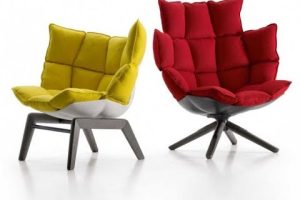
Finding the perfect comfortable chairs small spaces requires more than just picking something that fits through a doorway. Whether you are furnishing a studio apartment, a compact home office, or a cozy reading nook, the right seating can transform how you experience your living area. Small rooms demand smart design choices—chairs that deliver lumbar support, cushioning, and ergonomic benefits without swallowing precious square footage. This guide walks you through the best types of compact seating, key features to prioritize, expert arrangement tips, and frequently asked questions so you can make a confident, informed purchase that balances comfort with practicality.
Why Choosing the Right Chair for Small Spaces Matters
Every piece of furniture in a compact room contributes to the overall perception of openness and functionality. A bulky, oversized chair can make a small room feel cramped and suffocating, while a well-chosen compact seat creates an inviting atmosphere that enhances both aesthetics and livability. Comfortable seating in tight environments is not just about comfort—it is about spatial efficiency, visual harmony, and everyday usability.
When you invest in space-conscious furniture, you gain multiple benefits at once:
- Improved room flow: Slim-profile chairs keep walkways clear and prevent that claustrophobic feeling.
- Better posture support: Ergonomic compact chairs reduce back strain during long work or relaxation sessions.
- Multi-functionality: Many small-space chairs double as storage units or pull double duty as guest seating.
- Visual lightness: Light-colored or transparent materials make a room feel airier.
The goal is to find a balance where comfort never compromises on square footage, and style never overwhelms the room’s natural proportions.
Best Types of Comfortable Chairs for Small Spaces
Not all compact chairs are created equal. Different styles serve different needs, and understanding your options is the first step toward a smarter purchase.
Folding Chairs and Nesting Options
Folding chairs remain one of the most popular solutions for anyone dealing with limited square footage. These chairs collapse flat against a wall or tuck underneath a desk when not in use, freeing up floor space instantly. Nesting chairs take this concept further—they stack neatly together like a set of Russian dolls, consuming a fraction of the footprint of individual standalone seats.
Best for: Dining areas, multi-purpose rooms, and homes that frequently host guests.
Armless and Slim-Profile Seats
Removing the arms from your chair is one of the simplest yet most effective ways to save space. Armless ergonomic chairs slide neatly under desks, tables, and counters, making them ideal for tight apartments and compact home offices. Slim-profile chairs with tapered legs and narrow seats provide full torso and lumbar support without hogging room.
Best for: Home offices, bedroom reading corners, and studio apartments.
Swivel and Rolling Chairs
Swivel chairs and rolling task chairs offer 360-degree mobility, which means you do not need extra clearance around the seat for someone to pull it out. Office-grade rolling chairs designed for small spaces typically feature a compact base and a breathable mesh back, keeping the visual profile minimal while delivering professional-grade comfort.
Best for: Home offices, kitchen nooks, and work-from-home setups.
Recliners and Compact Loveseats
For those who want a more relaxed, lounge-style seating option, compact recliners and small loveseat chairs provide plush comfort without the bulk of a full-sized sofa. Many modern designs feature wall-hugging recline mechanisms, meaning the chair stays close to the wall even when fully extended.
Best for: Living rooms, media rooms, and cozy bedrooms.
Key Features to Look For in Compact Seating
Shopping for comfortable chairs in small spaces is not just about picking a style you like—it is about evaluating specific features that make a chair genuinely worth the investment.
- Seat height and depth: A chair with a shallower seat depth and adjustable height fits more body types while occupying less floor space.
- Weight capacity: Do not sacrifice structural integrity for size. Look for chairs rated for at least 250 pounds to ensure durability.
- Cushioning quality: High-density foam or memory foam padding provides long-lasting comfort without adding unnecessary bulk.
- Material breathability: Mesh backs and fabric upholstery prevent heat buildup and keep the chair feeling fresh year-round.
- Adjustable lumbar support: This feature is non-negotiable for anyone spending extended hours seated, especially in a home office setup.
- Easy assembly: Compact chairs with tool-free assembly save time and reduce frustration, particularly in already cramped spaces.

Comparison: Folding vs. Armless vs. Swivel Chairs for Small Spaces
| Feature | Folding Chairs | Armless Chairs | Swivel/Rolling Chairs |
| Space Saved When Stored | Excellent — folds flat | Good — slides under surfaces | Moderate — stays in place |
| Comfort Level | Moderate | High with ergonomic padding | High with lumbar support |
| Best Use Case | Guest seating, dining | Home office, reading nook | Workstation, kitchen |
| Price Range | Budget-friendly | Mid-range to premium | Mid-range to premium |
| Durability | Good | Excellent | Excellent |
| Visual Impact | Light and minimal | Clean and sleek | Professional and modern |
Top Brands and Models for Small-Space Comfort
Several brands have carved out reputations for producing seating solutions that genuinely cater to compact living environments. When researching comfortable chairs for small spaces, consider these standout options:
- HON Ignition 2.0: A sleek, armless task chair with adjustable lumbar support and a breathable mesh back, designed specifically for tight desk setups.
- Flash Furniture Mid-Back Armless Chair: An affordable ergonomic option with a padded seat and waterfall edge design that reduces leg pressure.
- IKEA Markus (compact version): A popular choice among apartment dwellers, offering high-back support and a clean Scandinavian aesthetic.
- Furmax Office Mid-Back Mesh Chair: A budget-friendly swivel chair with adjustable armrests and a lightweight frame that fits easily into small home offices.
- Da Chair Folding Guest Chair: A reliable folding option that stashes away effortlessly and still provides reasonable cushioning for short-duration seating.

Before purchasing, always check the seat width and overall dimensions. A chair listed as “compact” can still be too wide for a narrow studio apartment if you do not measure your available floor area first.
Practical Tips for Arranging Comfortable Chairs in Tight Rooms
Buying the right chair is only half the battle. How you position it within your room matters just as much for both comfort and perceived space.
- Place chairs against walls: Wall-hugging placement keeps the center of the room open and creates a natural traffic path.
- Use light and neutral colors: Pale tones reflect light and make a small room feel more expansive, while dark chairs absorb light and can make the space feel smaller.
- Choose chairs with exposed legs: Chairs with visible floor space beneath the seat create a sense of airiness and reduce visual clutter.
- Pair with a mirror: Positioning a mirror opposite a chair reflects light and depth, tricking the eye into perceiving a larger room.
- Avoid blocking windows or pathways: Ensure your seating arrangement does not interfere with natural light or the primary walking route through the room.
- Layer with a small side table: A compact side table next to your chair adds functionality without clutter, giving you a spot for a lamp, book, or drink.
Expert interior designers often recommend the “one large, one small” rule for compact rooms—pairing your comfortable chair with a smaller side table or ottoman keeps the visual balance intact and prevents the space from feeling top-heavy.
Frequently Asked Questions About Comfortable Chairs for Small Spaces
What is the best chair for a small apartment that also provides back support?
The HON Ignition 2.0 and the Flash Furniture Mid-Back Armless Chair are widely regarded as top choices for small apartment dwellers who need reliable lumbar support. Both feature adjustable components and slim dimensions that fit comfortably in studios and one-bedroom apartments without overwhelming the room.
How do I measure if a chair will fit in my small room?
Measure not just the chair’s footprint but also the clearance needed to open it fully—if it is a recliner or swivel, account for the full range of motion. Leave at least 18 to 24 inches of clearance around the chair for comfortable movement. Also measure doorways and hallways to ensure the chair can actually be delivered to your room.
Are armless chairs actually more comfortable than chairs with arms?
For many people, yes. Armless chairs allow you to sit closer to your desk or table and slide in and out more easily. They also reduce the overall width of the seat, which is critical in tight spaces. However, if you need arm support for relaxation or specific medical reasons, look for chairs with slim, fixed arms rather than wide, adjustable ones.
Can a folding chair be comfortable for everyday use?
While folding chairs are primarily designed for temporary or guest use, certain models with padded seats and ergonomic backs have become suitable for everyday sitting in small spaces. Look for folding chairs with thick cushion layers and a weight capacity of at least 250 pounds if you plan to use them regularly.
What color chair works best in a small room?
Light colors such as white, beige, soft gray, and pastel tones reflect natural and artificial light, creating an illusion of more space. If you prefer a bold look, consider a chair with a bright accent color paired with neutral walls—the contrast draws the eye without making the room feel heavy or crowded.
Is it worth investing in an ergonomic chair for a small space?
Absolutely. Ergonomic chairs designed for small spaces offer adjustable seat height, tilt tension, and lumbar support that standard chairs lack. If you work from home or spend several hours seated daily, the health benefits of proper ergonomic support far outweigh the modest extra cost. Many compact ergonomic models are specifically engineered to fit within tight footprints.
Final Thoughts
Selecting comfortable chairs for small spaces is a rewarding challenge that combines design sensibility with practical problem-solving. By understanding the different chair types available, evaluating essential features like lumbar support and seat dimensions, and arranging your seating with intention, you can create a cozy, functional living environment that feels open and inviting rather than cramped. Take the time to measure your space, compare options, and prioritize the features that matter most to your daily routine. The right compact chair does not just fill a corner—it elevates your entire living experience.