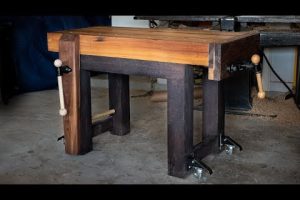
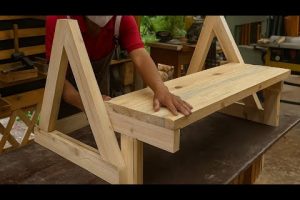
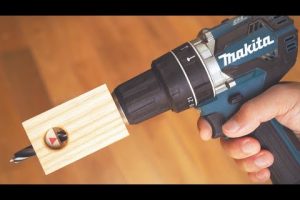
There is something deeply satisfying about designing and building your own furniture from scratch. Whether you are a complete beginner who has never picked up a circular saw or a seasoned woodworker looking for fresh project ideas, do it yourself furniture plans give you the roadmap to transform raw lumber into functional, beautiful pieces for your home. The surge in popularity of DIY woodworking has made high-quality plans more accessible than ever, with thousands of options available online, in books, and through woodworking communities. In this comprehensive guide, we will walk you through everything you need to know about selecting, using, and executing DIY furniture plans confidently.
What Are DIY Furniture Plans and Why Do They Matter?
Do it yourself furniture plans are detailed blueprints that walk you through the entire process of designing and constructing a piece of furniture. These plans typically include cut lists, measurements, material recommendations, assembly diagrams, and step-by-step instructions. Unlike vague Pinterest inspiration boards, proper DIY furniture plans provide the precision and guidance needed to build something that is structurally sound, visually appealing, and built to last.
The value of using structured plans cannot be overstated. They eliminate the guesswork that leads to wasted materials, frustrating mistakes, and projects that never get finished. Whether you want to build a rustic farmhouse dining table, a minimalist bookshelf, or a sturdy workbench, having a reliable set of plans is the difference between a weekend project that succeeds and one that ends up collecting dust in the garage.
Types of DIY Furniture Plans by Skill Level
Not every furniture build is created equal, and the best plans match your current skill level while gently challenging you to grow. Here is a breakdown of the three main categories.
Beginner-Friendly DIY Furniture Plans
Beginner plans focus on straightforward joinery, minimal tools, and forgiving materials like pine, plywood, or reclaimed wood. Projects such as a simple storage crate, a floating wall shelf, or a basic wooden bench are excellent starting points. These plans emphasize fundamental skills like measuring accurately, making straight cuts, sanding, and applying a finish. The learning curve is gentle, and the sense of accomplishment keeps you motivated to tackle more complex builds.
Intermediate DIY Furniture Plans
Intermediate plans introduce techniques such as dado joints, pocket hole joinery, breadboard ends, and basic curved shaping. You might find plans for a coffee table with sliding dovetails, a slatted bench with angled supports, or a cabinet with adjustable shelving. At this stage, you will likely need a wider range of tools, including a router, a pocket hole jig, and possibly a table saw. The emphasis shifts toward precision, clean aesthetics, and understanding wood movement.
Advanced DIY Furniture Plans
Advanced plans are designed for experienced builders who are comfortable with complex joinery, compound angles, and fine woodworking techniques. Think of furniture like a Windsor chair, a curved-front secretary desk, or a live-edge resin river table. These plans demand meticulous planning, specialized tools such as a jointer and planer, and a deep understanding of wood species, grain direction, and finishing techniques. The reward, however, is furniture that rivals anything you would find in a high-end boutique or furniture store.
Essential Tools and Materials for DIY Furniture Projects
Before diving into any plan, make sure you have the right tools and materials on hand. Here is a practical checklist to get you started.
- Measuring and Marking: Tape measure, combination square, marking gauge, and a pencil
- Cutting: Circular saw, jigsaw, handsaw, or table saw depending on the project
- Joinery: Drill/driver, pocket hole jig, doweling jig, or router
- Finishing: Sandpaper (80 through 220 grit), paint brushes, foam rollers, or a sprayer
- Clamping and Assembly: Bar clamps, pipe clamps, and a rubber mallet
For materials, solid hardwoods like oak, maple, and walnut offer durability and beauty, while plywood and MDF serve well for budget-conscious builds. Always check your plan’s recommended material list before purchasing to avoid costly mistakes.
How to Choose the Right DIY Furniture Plans for Your Project
Selecting the right set of plans is one of the most important decisions you will make. A poorly written plan can derail even the most experienced woodworker, while an excellent plan can make a complex build feel approachable. Here is what to look for when evaluating plans.
- Clear, labeled diagrams that show every angle and joint
- A complete cut list with dimensions for every single piece
- Tool requirements that match what you already own or are willing to invest in
- Step-by-step assembly instructions written in plain, jargon-free language
- Material and finish recommendations specific to the project
- Difficulty rating that honestly reflects the skill level required
Also pay attention to the source. Plans created by experienced woodworkers or published by reputable woodworking platforms tend to be more accurate and more thoroughly tested than random blog posts. Reading reviews or watching companion video tutorials can also give you a realistic sense of whether a plan is worth your time.
Free vs. Paid DIY Furniture Plans: Which Is Right for You?
One of the most common debates among DIY builders is whether to use free plans or invest in paid ones. Both options have distinct advantages, and the right choice depends on your goals, budget, and experience level.
| Criteria | Free Plans | Paid Plans |
| Cost | $0 | Typically $5 to $30 per plan |
| Quality | Varies widely; some are excellent, others are poorly detailed | Generally more polished, tested, and comprehensive |
| Variety | Large selection of basic to intermediate projects | Often includes advanced, niche, or custom designs |
| Support | Community forums or comments sections | Often includes customer support, updates, or video walkthroughs |
| Best For | Casual builders, budget projects, first-time woodworkers | Serious hobbyists, custom builds, professional-quality results |
Free plans are a fantastic way to get started and build confidence without any financial commitment. Websites like woodworking blogs, YouTube channels, and community forums offer thousands of free options. However, if you are planning a significant piece of furniture that will be a centerpiece in your home, investing in a high-quality paid plan is often worth every penny. The clarity, precision, and additional resources such as cut lists and material guides can save you both time and money in the long run.
Step-by-Step Guide to Building from DIY Furniture Plans
Now that you have chosen your plan, here is a practical workflow to follow from start to finish.
- Review the entire plan before purchasing any materials. Read every step, study every diagram, and note any tools or supplies you do not yet own.
- Create a materials list and a cut list. This is your shopping roadmap and prevents overbuying or underbuying lumber.
- Gather your tools and ensure they are in good working condition. Dull blades and uncalibrated tools are the enemy of precision.
- Prepare your workspace. A clean, well-lit, and well-ventilated area makes a massive difference in both safety and quality of work.
- Cut your pieces carefully, following the dimensions in the plan. Measure twice, cut once remains the golden rule.
- Dry-fit the assembly before applying any glue or fasteners. This step reveals any issues with fit or alignment early on.
- Assemble the piece following the plan’s recommended sequence. Do not skip steps or rush the glue-up process.
- Sand progressively from coarse to fine grit, always following the direction of the wood grain.
- Apply your finish of choice, whether it is oil, lacquer, paint, or a wax polish. Allow adequate drying time between coats.
- Inspect and refine. Check for any gaps, uneven surfaces, or rough edges and address them before the piece enters everyday use.
Expert Tips for DIY Furniture Success
Here are some time-tested recommendations from experienced woodworkers that can elevate your builds from good to great.
- Always acclimate your wood. Let lumber sit in your workshop for at least 48 hours before cutting to account for moisture content and ambient conditions.
- Invest in quality blades. A sharp, clean-cutting blade makes every joint fit better and reduces the need for excessive sanding or filler.
- Use painter’s tape for clean glue lines. It keeps excess glue from smearing onto visible surfaces and makes cleanup a breeze.
- Document your builds. Take photos at every stage. This creates a personal reference library and makes troubleshooting future projects easier.
- Do not underestimate finishing. A great build with a poor finish looks mediocre, while a simple build with a flawless finish looks professional.
Remember that every expert was once a beginner. The most important step is simply starting. Even if your first project is not perfect, the lessons you learn will directly improve every build that follows.
Frequently Asked Questions About DIY Furniture Plans
What are the best sources for free do it yourself furniture plans?
Some of the most trusted sources for free DIY furniture plans include popular woodworking blogs like Ana White, The Maker Spot, and DIY Network’s project library. YouTube channels dedicated to woodworking also frequently provide downloadable plans in their video descriptions. Local libraries often carry woodworking magazines and plan collections that you can access at no cost. When using free plans, always cross-reference the measurements and look for user reviews or comments that flag any errors or clarifications.
How much does it cost to build furniture using DIY plans?
The cost varies significantly depending on the project, the wood species you choose, and your existing tool inventory. A simple bench or shelf might cost between $30 and $80 in materials, while a dining table or cabinet could run anywhere from $150 to $500 or more. Solid hardwoods like walnut and cherry will always cost more than softwoods like pine or cedar, and plywood-based projects tend to be the most budget-friendly option. Always factor in the cost of finish, hardware, and any tools you may need to purchase for your first build.
Can beginners successfully build furniture from plans?
Absolutely. Many do it yourself furniture plans are specifically designed with beginners in mind, featuring simple joinery, minimal tooling requirements, and straightforward assembly. Start with a small project like a nightstand, a planter box, or a set of floating shelves to build your confidence and technique. As you complete more builds and develop your skills, you can gradually progress to more ambitious projects that challenge your abilities. The key is to follow the plan closely and not skip any steps, especially when it comes to sanding and finishing.

What tools do I absolutely need for my first DIY furniture project?
For a first project, you do not need a fully equipped workshop. The essential tools include a tape measure, a combination square, a saw (a circular saw or jigsaw works well for beginners), a power drill with a basic bit set, a pocket hole jig if your plan uses that joinery method, clamps, and sandpaper. These tools can handle the vast majority of beginner-friendly furniture plans, and many intermediate projects as well. As your confidence and skill grow, you can gradually add a router, a table saw, a jointer, and a planer to expand your capabilities.
How do I adapt DIY furniture plans to fit my space or style?
One of the greatest advantages of building your own furniture is the ability to customize it. Start by modifying the dimensions to fit your available space, making sure to keep the proportions and structural integrity intact. You can also change the finish to match your home décor, swap out hardware like handles and knobs, or adjust design elements like leg style, shelf spacing, or joinery methods. Just be sure to document any changes you make so that you can reference them later or share your modified plans with the woodworking community.

Conclusion
Do it yourself furniture plans open the door to a rewarding hobby that combines creativity, craftsmanship, and the deep satisfaction of furnishing your home with pieces you built with your own hands. From your very first simple shelf to your most ambitious custom dining table, every project builds your skills, your confidence, and your understanding of wood as a material. Start with a plan that matches your current abilities, invest in the right tools and materials, follow the instructions carefully, and do not be afraid to make mistakes along the way. The woodworking community is vast and welcoming, and every builder you admire once stood exactly where you are now. Pick a plan, gather your materials, and start building today.