


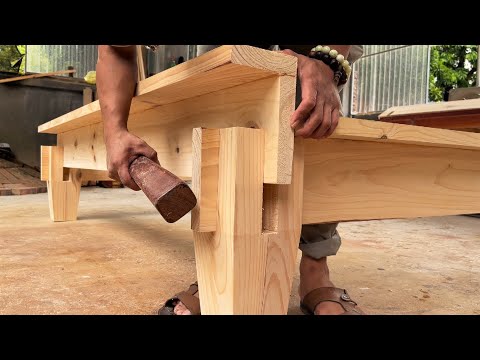
Woodworking has captivated hobbyists and craftspeople for centuries, and today it remains one of the most rewarding DIY pursuits you can pick up. Whether you are looking to furnish your home, create handmade gifts, or simply develop a new skill, basic woodworking projects offer the perfect entry point. These foundational builds teach you core techniques, build your confidence, and give you tangible results you can proudly display or use every day. In this comprehensive guide, we will walk you through everything you need to know about starting your woodworking journey—from essential tools and beginner-friendly project ideas to expert tips that will set you apart from the crowd.
Why Basic Woodworking Projects Are the Perfect Starting Point
Stepping into woodworking can feel overwhelming when you see skilled craftspeople producing intricate furniture and detailed cabinetry. But the truth is, every master woodworker started with simple builds. Easy woodworking projects for beginners strip away the complexity and let you focus on developing fundamental skills like measuring accurately, making clean cuts, sanding surfaces, and joining pieces together. These foundational abilities transfer directly to more advanced work down the road.
Starting with simple DIY woodworking projects also keeps your costs low. You do not need a fully stocked workshop or expensive equipment to build something useful and beautiful. A few basic tools, a modest budget, and a willingness to learn are all it takes to get started.
- Builds hands-on skills without overwhelming complexity
- Provides immediate satisfaction with finished, usable items
- Keeps initial investment minimal
- Creates a strong foundation for progressively challenging builds
Essential Tools for Your First Woodworking Projects
Before you dive into building, having the right tools makes a world of difference. You do not need a massive collection, but a handful of quality basics will serve you well across dozens of projects.
Core Hand Tools Every Beginner Should Own
- Tape measure — Accurate measurements are the backbone of good woodworking. A 25-foot retractable tape is indispensable.
- Combination square — This tool helps you mark straight lines and check angles with precision.
- Hand saw or circular saw — A basic crosscut saw works for small projects, while a circular saw opens up more possibilities as you grow.
- Power drill and driver — Drilling pilot holes and driving screws are tasks you will perform constantly.
- Clamps — At least two or three bar clamps will hold pieces securely while glue dries.
- Sandpaper assortment — Grades ranging from 80 to 220 grit cover most finishing needs.
- Wood glue — A reliable adhesive is essential for nearly every basic wood joint.
As you gain experience, you can expand into planers, jointers, and routers. But for your first several projects, these core tools will get the job done beautifully.
Top Basic Woodworking Projects to Start With
Choosing the right first project matters. You want something that teaches valuable skills, looks impressive, and remains practical in everyday life. Here are three beginner woodworking projects that hit all three marks.
Simple Cutting Board
A cutting board is arguably the single best first project for any aspiring woodworker. It requires minimal tools, uses small amounts of wood, and introduces you to gluing, clamping, and sanding techniques. You can experiment with contrasting wood species to create striking grain patterns. Start with hardwoods like maple, walnut, or cherry for a food-safe, durable result. The entire build typically takes just a few hours, making it ideal for a weekend project.
Wooden Birdhouse

Building a birdhouse teaches you how to measure, cut, and assemble pieces at specific angles while creating something that benefits wildlife in your yard. This project introduces you to drilling holes for entry and ventilation, as well as basic assembly using nails or screws. It is a wonderful project to do with children, making it a perfect family woodworking activity.
Floating Wall Shelves
Floating shelves are deceptively simple yet endlessly useful. They teach you precision in measuring and leveling, and the hidden bracket design challenges you to think about structural support. Once you master the basic floating shelf, you can scale up to create an entire wall unit. These shelves also make excellent woodworking gifts for beginners to build for friends and family.
Comparing Wood Types for Your First Build
Selecting the right wood species directly impacts the look, durability, and ease of working with your project. Below is a comparison of popular choices for starter woodworking plans.
| Wood Type | Hardness | Workability | Best For | Cost |
| Pine | Soft | Excellent — easy to cut and sand | Birdhouses, shelves, practice builds | Low |
| Poplar | Medium | Very good — paints well, minimal splitting | Cutting boards, decorative boxes | Low to Medium |
| Maple | Hard | Moderate — requires sharp tools | Cutting boards, furniture accents | Medium |
| Walnut | Hard | Good — beautiful grain, sands smoothly | Premium cutting boards, shelves | Medium to High |
| Basswood | Soft | Excellent — ideal for carving and shaping | Birdhouses, decorative projects | Low |
For your very first project, pine or poplar are the most forgiving options. They are affordable, widely available at home improvement stores, and tolerate minor mistakes without ruining your build. As you develop confidence, transitioning to hardwoods like maple and walnut will elevate the quality and perceived value of your work.
Expert Tips to Avoid Common Beginner Mistakes
Even the simplest projects can go wrong if you overlook fundamental practices. Here are time-tested recommendations from experienced woodworkers that will save you frustration and wasted materials.
- Measure twice, cut once. This old adage exists for a reason. Double-check every measurement before making a cut, and consider marking a visible cut line with a pencil.
- Invest in sharp blades and bits. Dull saw blades tear wood fibers instead of cutting them cleanly, resulting in rough edges and splintering. Sharpen or replace blades regularly.
- Always sand in the direction of the grain. Sanding against the grain leaves visible scratches that become more apparent after finishing.
- Practice good dust collection. Wear a dust mask or respirator, especially when sanding hardwoods or exotic species. Fine wood dust is a respiratory hazard over time.
- Let glue cure fully before handling. Most wood glues need at least 30 minutes to set and 24 hours to reach full strength. Rushing this step weakens joints.
- Start with straight, flat lumber. Warped or twisted boards make accurate joinery nearly impossible for beginners. Inspect every board before purchasing.
Following these guidelines consistently will dramatically improve the quality of your finished pieces and build habits that serve you well as you tackle more complex intermediate woodworking plans in the future.
FAQs About Basic Woodworking Projects
What is the easiest woodworking project for a complete beginner?
A simple wooden cutting board is widely regarded as the easiest first project because it requires only a few pieces of wood, basic cutting and gluing, and straightforward sanding. There are no complex joinery techniques involved, and the result is a functional item you can use immediately. Many woodworkers also recommend starting with a birdhouse or a basic picture frame to build foundational skills before moving on to more ambitious builds.
How much does it cost to start basic woodworking as a hobby?
A reasonable initial investment ranges from approximately $100 to $300, depending on whether you already own some tools. A basic kit including a tape measure, combination square, power drill, hand saw, a set of clamps, sandpaper, and wood glue will cover most beginner projects. Lumber costs add another $10 to $30 per project, especially when using affordable species like pine or poplar for practice builds.
What type of wood is best for first-time woodworking projects?

Softwoods like pine and basswood are the most recommended choices for beginners because they are inexpensive, easy to cut with basic tools, and very forgiving of minor measurement or technique errors. Poplar offers a nice middle ground — slightly harder than pine but still easy to work with and accepting paint and stain well. These species are widely available at most home improvement and lumber yard stores, making them convenient for first-time builders.
Can I do basic woodworking projects without a full workshop or garage?
Absolutely. Many successful woodworkers start with nothing more than a sturdy workbench or even a large table in a spare room or garage corner. Basic projects like cutting boards, birdhouses, and floating shelves do not require dust collection systems, stationary tools, or large floor space. A garage, basement, or even a well-ventilated outdoor area can serve as a functional workspace for getting started with woodworking.
How long does it take to complete a basic woodworking project?
Most simple projects can be completed within a single weekend, typically four to eight hours of active work spread over two days. A cutting board might take only three to four hours, while a birdhouse or set of floating shelves could take five to eight hours depending on your experience level and the complexity of the design. The key is not to rush — taking your time ensures better accuracy and a more professional-looking final result.
Conclusion
Basic woodworking projects open the door to a fulfilling hobby that combines creativity, problem-solving, and practical skill-building. Whether you build your first cutting board, construct a charming birdhouse, or install a set of floating shelves, each project strengthens your abilities and deepens your appreciation for the craft. Start simple, invest in quality basic tools, choose forgiving wood species, and embrace mistakes as learning opportunities. The woodworking community is welcoming and generous with advice, so do not hesitate to seek out online forums, local woodworking clubs, or beginner-focused video tutorials as you progress. With patience, practice, and passion, you will be surprised at how quickly simple builds evolve into impressive, handcrafted pieces you can be truly proud of.