Woodworking has experienced a massive resurgence in recent years, and for good reason. DIY woodworking projects offer a perfect blend of creativity, craftsmanship, and practical problem-solving that few other hobbies can match. Whether you are a complete beginner staring at a pile of lumber for the first time or a seasoned maker looking for your next challenge, the world of do-it-yourself woodworking is incredibly welcoming and endlessly rewarding. From simple shelf units to complex joinery cabinets, there is a project out there for every skill level, budget, and personal style.
The beauty of tackling woodworking projects on your own lies not just in the finished product but in the journey itself. You learn to measure precisely, select the right materials, choose appropriate joinery techniques, and develop an intuition for how wood behaves under different conditions. Over time, these skills compound, and you will find yourself capable of producing pieces that rival custom furniture costing hundreds or even thousands of dollars more.
In this comprehensive guide, we will walk you through everything you need to know about DIY woodworking projects for beginners, intermediate builds, and advanced woodworking challenges. We will cover essential tools, material selection, project ideas, and expert tips that will help you succeed whether your goal is furnishing your home affordably, launching a small side business, or simply enjoying a deeply satisfying creative outlet.
What Are DIY Woodworking Projects?
DIY woodworking projects refer to any construction, modification, or fabrication task involving wood that you complete yourself rather than hiring a professional or purchasing pre-made items. These projects span an enormous range in complexity, from a basic wooden picture frame that takes thirty minutes to an intricate hand-cut dovetail jewelry box that takes several weekends.
The DIY woodworking community has grown substantially thanks to platforms like YouTube, Reddit, and specialized forums where woodworkers share plans, tips, and completed builds. This accessibility has made it easier than ever to find free woodworking plans, tutorials, and inspiration for projects that match your exact interests and skill level.
Why DIY Woodworking Is Worth Your Time
There are many compelling reasons to invest your time and energy into handmade wood projects. Here are some of the most significant benefits:
- Cost savings: Building furniture and home décor yourself can save 50-80% compared to retail prices, especially when you source affordable lumber from local mills or salvage yards.
- Customization: You control every dimension, joint, finish, and design detail, ensuring the final piece fits your space and aesthetic perfectly.
- Skill development: Each project teaches new techniques, from basic crosscutting to complex mortise-and-tenon joinery.
- Therapeutic value: Woodworking provides a meditative, hands-on escape from screen-heavy modern life.
- Sustainability: Building with sustainably sourced wood reduces your environmental footprint compared to mass-produced furniture shipped from overseas.
- Sense of accomplishment: There is nothing quite like sitting in a chair or resting a coffee mug on a shelf you built with your own hands.
Essential Tools for Getting Started
One of the most common mistakes aspiring woodworkers make is buying every tool at once. Instead, start with the essentials and expand your workshop gradually as your projects demand it.
Beginner Tools
For your first few DIY woodworking projects, you really only need a focused set of tools:
- A quality tape measure and combination square for accurate measurements.
- A hand saw or circular saw for making straight cuts.
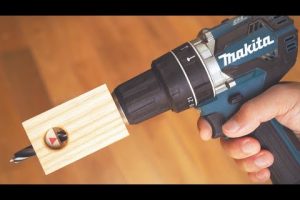
- A power drill and a set of drill bits plus driver bits.
- A random orbital sander for smoothing surfaces.
- A set of clamps in various sizes for assembly and gluing.
- Basic hand tools like a chisel set, hammer, and block plane.
- Wood glue and a selection of screws and fasteners.
Intermediate and Advanced Upgrades
As you progress, consider adding a table saw, a jointer, a planer, and a router to your workshop. These tools unlock more ambitious projects and allow you to work with higher precision and efficiency. However, none of these are required to start building beautiful, functional pieces from day one.
Easy DIY Woodworking Projects for Beginners
Starting with manageable builds is the key to building confidence and developing fundamental skills. Here are some of the best beginner woodworking projects that deliver impressive results without overwhelming complexity:
- Floating shelves: Simple to build, incredibly useful, and an excellent first project for learning straight cuts and basic wall mounting.
- Cutting boards: A great introduction to gluing, clamping, sanding, and applying food-safe finishes.
- Plant stands: Small-scale builds that teach you basic joinery and proportions.
- Toy boxes or toy chests: A fun project that is forgiving of minor imperfections and useful for years.
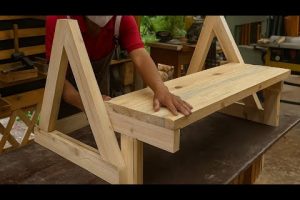
- Bench or stool: Teaches you about structural integrity and comfortable design proportions.
- Picture frames: Quick, satisfying builds that can be completed in an afternoon.

For these projects, focus on clean cuts, proper sanding (start at 80 grit and work up to 220), and applying a quality finish. These details make the biggest difference in how professional your finished pieces look and feel.

Intermediate DIY Woodworking Projects to Level Up
Once you have mastered the basics, intermediate projects push your skills further by introducing more complex joinery, curved forms, and refined finishing techniques. Consider tackling these builds to accelerate your growth:
- Bookshelves with dado joints: Dado cuts add strength and a clean, professional look to shelving units.
- Coffee tables with hidden storage: These projects combine design thinking with practical carpentry.
- Dining tables with breadboard ends: Breadboard joinery teaches you how to manage wood movement and create stunning visual details.
- Wall-mounted desks with cable management: A highly functional piece that showcases your ability to plan for real-world use.
- Headboards with upholstered panels: Blending woodworking with fabric work opens up a whole new creative dimension.
At this stage, pay close attention to wood selection and grain orientation. Choosing the right species and cutting boards to minimize warping and maximize visual appeal is what separates intermediate work from beginner efforts.
Advanced DIY Woodworking Projects for Experts
For experienced woodworkers, advanced woodworking projects are where the real artistry comes into play. These builds demand precision, patience, and a deep understanding of wood behavior, grain patterns, and finishing chemistry.
What Counts as Advanced?
Advanced projects typically involve complex joinery such as dovetails, finger joints, bridle joints, and wedged through-mortise-and-tenon connections. They may also incorporate curved laminations, intricate inlay work, carved details, or multi-material combinations like wood and metal.
Inspiring Advanced Builds
- Hand-cut dovetail jewelry boxes: A rite of passage for serious woodworkers and a stunning gift.
- Mission-style rocking chair: Requires precise angled cuts, steam bending, and an understanding of ergonomic design.
- Live-edge dining table: Combines natural wood beauty with structural engineering to create a showpiece.
- Compound curve cabinets: These demand advanced router techniques and careful plywood lamination.
- Marquetry furniture pieces: Adding decorative veneer inlay elevates woodworking into true craftsmanship.
Expert-level projects are where you truly develop your personal style and voice as a woodworker. Do not rush this stage — each project at this level teaches lessons that you will carry forward for the rest of your woodworking journey.
Wood Types: A Comparison Table for DIY Projects
Choosing the right wood species is critical to the success of any DIY woodworking project. Different woods offer varying levels of hardness, grain character, workability, and cost.
| Wood Species | Hardness (Janka) | Best For | Price Range |
| Pine | 380-870 lbf | Beginner projects, painted furniture | Budget-friendly |
| Poplar | 540 lbf | Painted cabinets, indoor furniture | Affordable |
| Maple | 1,450 lbf | Cutting boards, tabletops, flooring | Moderate |
| Oak (White) | 1,350 lbf | Tables, benches, outdoor furniture | Moderate |
| Walnut | 1,010 lbf | Premium furniture, gun stocks | Higher-end |
| Cherry | 950 lbf | Fine furniture, heirloom pieces | Higher-end |
| Mahogany | 900 lbf | Guitar bodies, fine furniture | Premium |
Pro tip: When starting out, practice on affordable species like poplar or pine before investing in premium hardwoods. This saves money while you build your skills and confidence.
Expert Tips for Woodworking Success
Here are some practical recommendations from experienced woodworkers that can dramatically improve your results:
- Measure twice, cut once: This old adage exists for a reason. Double-check every measurement before making a cut.
- Invest in sharp blades and bits: Dull tools tear wood fibers instead of cutting them cleanly, leading to rough surfaces and frustration.
- Allow wood to acclimate: Let lumber sit in your workshop for at least a few days before building to minimize warping after assembly.
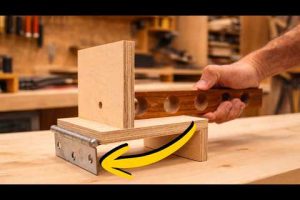
- Use a stop block: This simple jig ensures consistent lengths across multiple pieces and saves enormous time.
- Sand in the direction of the grain: Sanding across the grain creates visible scratches that become more obvious after staining.
- Test your finish on scrap wood first: Every species and stain combination behaves differently, and testing prevents costly mistakes on your finished piece.
- Keep your workspace clean: A tidy shop is a safe shop and a productive shop. Organize as you go.
Frequently Asked Questions
What is the best DIY woodworking project for a complete beginner?
A simple cutting board is widely considered the ideal first project. It requires only basic cuts, gluing, clamping, and sanding, and you can finish it in a single afternoon using minimal tools and inexpensive materials.
How much does it cost to start DIY woodworking?
A basic starter setup with essential hand tools, a single power saw, a drill, and a small supply of lumber can cost between $150 and $400. As you grow, you can invest in more specialized equipment based on the types of projects you enjoy most.
What type of wood is easiest to work with for beginners?
Softwoods like pine and poplar are the easiest to cut, sand, and finish. They are widely available, affordable, and forgiving of mistakes, making them perfect for learning fundamental woodworking skills.
Do I need a dedicated workshop space for DIY woodworking?
No. Many woodworkers start in a garage, spare room, or even a covered outdoor area. What matters most is having a stable work surface, adequate lighting, and enough space to safely handle your tools and materials.
Can DIY woodworking be profitable?
Absolutely. Many woodworkers eventually sell their creations online through platforms like Etsy or at local craft fairs. The key is to build pieces that are high quality, unique, and targeted to customers who value handmade craftsmanship over mass-produced alternatives.
What is the most common mistake beginners make in woodworking?
The most frequent error is skipping proper preparation — particularly sanding and finishing. Even a beautifully constructed piece will look unfinished and unprofessional if the surface is not properly sanded and sealed. Take your time with these steps, as they define the final appearance and longevity of your project.
Conclusion
DIY woodworking projects offer an incredibly fulfilling path for anyone willing to invest time, patience, and a bit of curiosity. From your very first simple shelf to your fiftieth complex cabinet, each build teaches you something new and brings you closer to mastering this timeless craft. The key is to start where you are, use what you have, and build consistently. Over time, your skills will compound, your confidence will grow, and you will develop a deeply personal connection to the wood, the tools, and the finished pieces that fill your home.
So grab a pencil, pick up a piece of lumber, and start building today. The woodworking community is welcoming, the learning resources are abundant, and the satisfaction of creating something with your own hands is unlike anything else. Your next DIY woodworking project is waiting — and it is going to be worth every minute you put into it.