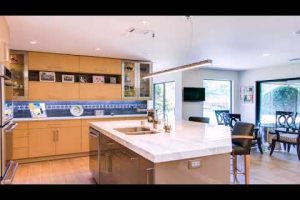
Transforming your home improvement kitchen is one of the most rewarding investments you can make in your property. Whether you are planning a complete overhaul or tackling smaller upgrades, the kitchen sits at the center of daily life — a space where functionality meets style and where every design decision impacts how you live, cook, and entertain. This comprehensive guide walks you through everything from budget-friendly refreshes to high-end remodeling strategies, giving you the knowledge to approach your project with confidence and clarity.
Why Kitchen Remodeling Dominates Home Improvement Goals
Every year, surveys confirm that the kitchen ranks as the number one priority for homeowners considering home improvement projects. It is not just about aesthetics — a well-planned kitchen renovation increases property value, improves daily workflow, and creates a more enjoyable living environment. The National Association of Realtors consistently reports that kitchen upgrades deliver some of the strongest return-on-investment figures among all interior renovation categories. Understanding why this room commands so much attention helps you make smarter choices about where to allocate your budget and energy.
The Emotional and Functional Impact of Kitchen Design
Beyond resale value, your kitchen shapes your daily routines. A poorly laid-out galley kitchen that forces you to backtrack between the sink and stove creates frustration every single day. A thoughtfully designed layout with clear work zones — prep, cooking, and cleanup — transforms meal preparation from a chore into a pleasure. When planning your home improvement kitchen project, always start by mapping your current workflow and identifying the pain points that annoy you the most.
Budgeting Your Home Improvement Kitchen Project
Budgeting is the foundation of any successful renovation. Without a clear financial plan, projects spiral quickly, leaving homeowners stressed and tempted to cut corners in the wrong areas. A realistic budget accounts for materials, labor, permits, and a contingency fund for unexpected discoveries behind walls or under floors.
Setting Realistic Expectations Based on Scope
Not every kitchen project requires a massive investment. Understanding the scope of your renovation helps you align your expectations with your financial reality:
- Cosmetic Refresh (Budget: $5,000–$15,000): Paint cabinets, replace hardware, update lighting, and install new backsplash tiles.
- Mid-Range Remodel (Budget: $20,000–$50,000): Replace countertops, upgrade appliances, reface or replace cabinets, and modify layout where needed.
- Full Gut Renovation (Budget: $50,000–$100,000+): Knock out walls, relocate plumbing and electrical, install premium finishes, and integrate smart home technology.
Hidden Costs That Catch Homeowners Off Guard
Experienced contractors will tell you that the biggest budget killers in a home improvement kitchen project are rarely the visible finishes. Instead, it is what lies beneath the surface:
- Structural surprises: Older homes often hide rotted subfloors, outdated wiring, or plumbing that does not meet current codes.
- Permit and inspection fees: Depending on your municipality, structural changes or electrical work require permits that add to your timeline and cost.
- Appliance upgrades: Upgrading from standard to premium appliances can easily add $5,000 or more to your total.
- Design revisions: Changing your mind mid-project is the most expensive mistake. Lock in your design before demolition begins.
Essential Home Improvement Kitchen Upgrades by Skill Level
One of the biggest advantages of kitchen remodeling is that it offers entry points for every skill level and budget. You do not need to be a professional contractor to make meaningful improvements.
Beginner-Level Projects Anyone Can Do
If you are new to home improvement, start with projects that deliver high visual impact with minimal technical skill:
- Painting cabinets: A fresh coat of paint in a modern shade like matte white, sage green, or navy instantly transforms the room’s feel without replacing any cabinetry.
- Replacing cabinet hardware: New pulls and knobs cost just a few dollars per piece but create a cohesive, updated look.
- Installing a peel-and-stick backsplash: Tile decals and vinyl backsplash sheets let you add texture and color in a single afternoon.
- Upgrading faucet and sink: A modern pull-down faucet paired with a deeper basin dramatically improves daily functionality.
Intermediate Renovations Requiring Moderate DIY Skills
Once you have completed a cosmetic refresh, intermediate projects introduce more complexity but still remain accessible to motivated homeowners:
- Replacing countertops: With proper measurement and edge-cutting, quartz and butcher block installations are achievable for handy homeowners.
- Open shelving installations: Replacing upper cabinets with open shelves creates a more spacious feel and allows you to display curated dishware.
- Painting walls and ceiling: Choosing a cohesive color palette ties the entire room together and is one of the most cost-effective transformations.
- Upgrading lighting fixtures: Swapping outdated recessed cans for modern LED pendants or track lighting elevates both ambiance and task performance.

Advanced Transformations for Maximum Impact
For homeowners ready to commit to a full-scale home improvement kitchen project, advanced renovations deliver the most dramatic results:
- Layout reconfiguration: Moving the sink, stove, or refrigerator to create a new work triangle can fundamentally change how the kitchen functions.
- Adding an island: A custom kitchen island provides extra prep space, storage, seating, and can serve as a casual dining area or homework station.
- Integrating smart appliances: Smart refrigerators, induction cooktops, and voice-controlled lighting systems bring your kitchen into the future.
- Custom cabinetry and built-ins: Bespoke storage solutions maximize every inch of available space and reflect your personal style.
Material Selection: What Actually Lasts
Choosing the right materials is one of the most consequential decisions in any home improvement kitchen project. Every surface, from countertops to flooring, endures daily wear, moisture exposure, and heat. Selecting durable, low-maintenance materials ensures your kitchen looks beautiful for decades rather than just seasons.
Countertop Materials Compared
The countertop is the centerpiece of your kitchen workspace. Here is how the top contenders stack up:
| Material | Durability | Heat Resistance | Maintenance | Cost Range (per sq ft) |
| Quartz | Excellent | Good | Low — no sealing needed | $60–$150 |
| Granite | Very High | Excellent | Moderate — reseal annually | $40–$200 |
| Marble | Moderate | Poor | High — prone to etching | $50–$250 |
| Butcher Block | Moderate | Poor | Moderate — oil regularly | $30–$80 |
| Concrete | High | Excellent | Low — seal every few years | $50–$150 |
| Laminate | Fair | Poor | Very Low | $15–$45 |
For most homeowners seeking the best balance of beauty, durability, and affordability, quartz countertops represent the strongest choice in a home improvement kitchen renovation. They resist stains, do not require sealing, and are available in patterns that convincingly mimic natural stone.
Smart Storage Solutions That Maximize Space
Even the largest home improvement kitchen projects should prioritize storage efficiency. Clutter is the enemy of a functional kitchen, and smart organizational solutions make every square foot count.
- Pull-out pantry shelves: These deep, sliding shelves eliminate the wasted space at the back of base cabinets where items get forgotten.
- Corner carousel units: Also known as magic corners, these rotating shelves make every inch of awkward corner cabinets accessible.
- Vertical dividers for baking sheets and cutting boards: Slot organizers keep flat items upright and easy to retrieve instead of stacking them in a drawer.
- Under-sink organizers: Tiered racks and pull-out trays transform the often-unusable space under your sink into a well-organized storage zone.
- Magnetic knife strips and wall-mounted racks: Freeing up drawer space for utensils by mounting them on the wall adds both function and visual interest.

Lighting Design: The Overlooked Game-Changer
Lighting is arguably the most underrated element in any home improvement kitchen project. Layered lighting — combining ambient, task, and accent sources — creates depth, warmth, and practical visibility where you need it most. Under-cabinet LED strips illuminate your countertop prep area without casting harsh shadows, while pendant lights over an island provide focused task lighting and visual anchor points. Dimmer switches allow you to shift from bright task lighting during cooking to soft ambient glow during dinner parties.
Expert Tips for Lighting Your Kitchen Right
- Install LED lights with a color temperature between 3000K and 4000K for accurate color rendering under food preparation lighting.
- Place task lighting 24 to 30 inches below upper cabinets for optimal countertop illumination.
- Use linear pendant fixtures over islands to create symmetrical visual balance.
- Always include a central ambient light source to eliminate dark corners.
Common Mistakes to Avoid During Kitchen Renovations
Learning from others’ mistakes saves both money and regret. Here are the most common pitfalls homeowners encounter during a home improvement kitchen project:
- Skipping the work triangle analysis: The distance between the sink, stove, and refrigerator should total between 12 and 26 feet for optimal efficiency.
- Underestimating electrical outlets: You will always need more outlets than you think. Plan for at least one outlet per linear foot of countertop.
- Choosing trend-driven finishes: Bold backsplashes and ultra-matte finishes date quickly. Opt for timeless designs with a few trendy accents you can swap out later.
- Ignoring ventilation: A powerful range hood is essential for removing grease, smoke, and odors — especially in open-concept floor plans.
- Hiring the cheapest contractor: Quality craftsmanship costs more upfront but prevents expensive repairs and rework down the road.
Conclusion: Your Kitchen Transformation Starts With a Plan
A successful home improvement kitchen project is not about spending the most money — it is about making intentional decisions that align with your lifestyle, aesthetic preferences, and long-term goals. Whether you begin with a simple cabinet refresh or commit to a full architectural remodel, every improvement brings you closer to the kitchen of your dreams. Start with a clear budget, prioritize the changes that affect your daily routine the most, and invest in materials and craftsmanship that will stand the test of time. The kitchen is not just a room — it is where memories are made, and getting it right is an investment that pays dividends for years to come.
Frequently Asked Questions
What is the most cost-effective home improvement kitchen upgrade?
Painting existing cabinets and replacing hardware consistently delivers the highest visual impact per dollar spent. This cosmetic refresh typically costs between $500 and $3,000 and can make a kitchen look completely transformed without the expense of new cabinetry.
How long does a home improvement kitchen renovation typically take?
A cosmetic refresh takes one to two weeks, a mid-range remodel requires four to six weeks, and a full gut renovation can take two to four months depending on scope, permit requirements, and material lead times. Planning for unexpected delays is essential to maintaining your timeline.
Should I hire a professional or DIY my kitchen remodel?
Cosmetic projects like painting cabinets, installing hardware, and adding a backsplash are excellent DIY opportunities. However, projects involving plumbing relocation, electrical rewiring, or structural changes should always be handled by licensed professionals to ensure safety and code compliance.
What kitchen layout works best for small spaces?
The galley layout and L-shaped design are the most efficient configurations for small kitchens. Both maximize linear counter space, maintain a compact work triangle, and avoid the spatial inefficiencies of layouts that require excessive walking distances between key work zones.
How can I make my kitchen feel larger without a major renovation?
Removing upper cabinet walls and replacing them with open shelving instantly opens up visual space. Additionally, using lighter paint colors, installing large-format tile backsplashes with fewer grout lines, and incorporating under-cabinet lighting all create the perception of a more spacious and airy kitchen.