


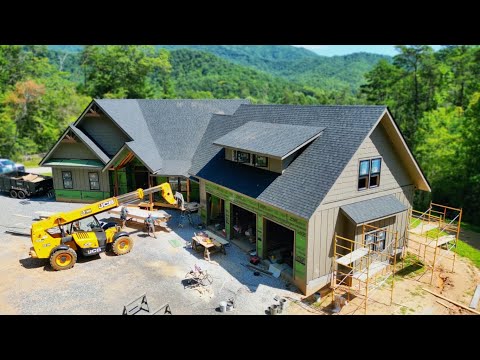
If you have ever wondered what makes a builder project succeed or fail, the answer lies in the details — from initial planning and budgeting to execution, team coordination, and quality control. Builder projects span a vast spectrum, from single-family home renovations to sprawling commercial developments and critical infrastructure builds. Whether you are a first-time homeowner dreaming of a custom build or a seasoned developer managing a multi-phase construction portfolio, understanding the mechanics of construction builder projects is essential. This comprehensive guide dives deep into every stage of the builder project lifecycle, offering actionable insights, expert tips, and practical strategies that work across experience levels.
What Are Builder Projects?
A builder project refers to any organized construction endeavor that involves planning, designing, permitting, executing, and delivering a built structure or facility. These projects range in scale from modest residential remodeling jobs to billion-dollar commercial complexes. At their core, builder projects bring architectural visions to life by coordinating materials, labor, permits, timelines, and budgets into a single cohesive operation.
The definition of a builder project has evolved significantly over the past decade. Modern construction now incorporates sustainable building practices, advanced project management software, prefabrication techniques, and smart building technologies. Understanding this evolution helps stakeholders make smarter decisions at every phase.
Types of Builder Projects
Not all construction projects are created equal. Each category comes with its own set of challenges, regulatory requirements, and stakeholder expectations. Here is a closer look at the major types of builder projects you will encounter.
Residential Builder Projects
Residential builder projects include new home construction, custom house builds, home additions, basement finishing, and property renovation. These projects typically involve individual homeowners, small families, or real estate investors looking to build or improve housing stock. Key characteristics include:

- Smaller budgets compared to commercial builds
- Tighter personal timelines driven by homeowner needs
- Greater emphasis on aesthetics, comfort, and curb appeal
- Local zoning and neighborhood covenant compliance
- Single or multi-family structures
Commercial Builder Projects
Commercial construction projects encompass office buildings, retail spaces, restaurants, warehouses, and hospitality venues. These projects demand higher budgets, stricter regulatory oversight, and larger teams. Stakeholders often include corporate clients, property management companies, and institutional investors. The complexity of commercial builder projects requires expertise in zoning laws, commercial codes, and large-scale logistics.
Infrastructure and Industrial Builder Projects
These projects involve roads, bridges, dams, pipelines, manufacturing plants, and public utilities. Infrastructure builder projects are typically government-funded or managed by large corporations. They require specialized engineering knowledge, environmental impact assessments, and extensive permitting processes. Safety standards in this category are among the highest in the construction industry.
How to Plan and Manage Builder Projects Successfully
Effective project management is the backbone of every successful construction endeavor. A builder project without a solid plan is a project heading for delays, cost overruns, and disputes.
The Planning Phase
The planning phase sets the foundation for everything that follows. During this stage, you should:
- Define the project scope — Clearly outline what will be built, including specifications, materials, and finishes.
- Conduct a feasibility study — Evaluate site conditions, environmental factors, and market demand.
- Assemble your team — Select licensed contractors, architects, engineers, and subcontractors who have proven track records.
- Secure permits and approvals — Navigate local building codes, zoning regulations, and environmental clearances.
- Develop a timeline — Create a detailed construction schedule with milestone deadlines.
Execution and Monitoring
Once construction begins, daily oversight becomes critical. Use project management tools like Buildertrend, Procore, or PlanGrid to track progress in real time. Regular site inspections, weekly team meetings, and transparent communication with clients ensure that the project stays aligned with its original vision and budget.
Budgeting and Cost Management for Builder Projects
Cost management is one of the most challenging aspects of any builder project. Budget overruns are common, but they are also largely preventable with disciplined financial planning.
| Cost Factor | Residential Projects | Commercial Projects | Infrastructure Projects |
| Average Cost per Sq Ft | $150 – $400 | $250 – $600 | $300 – $800+ |
| Typical Duration | 6 – 18 months | 12 – 36 months | 18 – 60 months |
| Permit Complexity | Moderate | High | Very High |
| Common Cost Overrun Risk | Material price fluctuations | Design changes and scope creep | Environmental and regulatory delays |
| Labor Cost Share | 30 – 40% | 40 – 55% | 35 – 50% |
To keep costs under control, always build a contingency buffer of 10–15% into your budget. Material prices fluctuate, weather causes delays, and unforeseen site conditions arise. A well-managed contingency fund prevents these surprises from derailing the entire project.
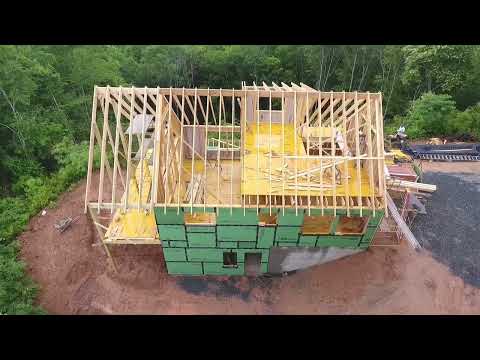
Common Challenges in Builder Projects and How to Overcome Them
Every builder project encounters obstacles. The difference between a successful project and a troubled one is how those obstacles are handled.
- Supply Chain Disruptions: Post-pandemic material shortages continue to affect the industry. Mitigate this by ordering materials early, maintaining relationships with multiple suppliers, and considering alternative materials that meet quality standards.
- Labor Shortages: The skilled trades workforce is shrinking in many regions. Partner with trade schools, offer competitive wages, and invest in workforce training programs.
- Permitting Delays: Bureaucratic processes can stall projects for weeks or months. Hire a permit expediter or dedicate a team member specifically to navigate regulatory channels.
- Scope Creep: Clients frequently change their minds mid-construction. Address this through a detailed, signed contract that clearly defines the scope, change order procedures, and cost implications for modifications.
- Weather and Site Conditions: Unpredictable weather can delay outdoor work by days or weeks. Build weather buffers into your schedule and plan indoor tasks for rainy periods.
Expert Tips for Delivering Outstanding Builder Projects
After working with hundreds of construction teams across various project types, here are the strategies that consistently separate average projects from exceptional ones.
- Invest in pre-construction planning. The more time you spend planning before breaking ground, the fewer surprises you will face during construction. Detailed blueprints, material selections, and subcontractor agreements should be finalized in advance.
- Prioritize communication. Weekly progress reports, photo documentation, and open lines of communication with all stakeholders prevent misunderstandings and build trust.
- Leverage technology. Building information Modeling (BIM), drone surveys, and digital progress tracking dramatically improve accuracy and reduce waste.
- Focus on quality over speed. Rushing through construction leads to costly rework. Set realistic timelines and hold your team accountable for craftsmanship.
- Document everything. Change orders, inspection reports, payment receipts, and correspondence should be archived systematically. This protects you legally and financially if disputes arise later.
Frequently Asked Questions About Builder Projects
How long does a typical builder project take to complete?
The timeline for a builder project depends entirely on the scope and scale. A residential home build typically takes 6 to 18 months from permit to move-in. Commercial projects can take 1 to 3 years, while large infrastructure builds may extend well beyond that. Weather, permitting, material availability, and labor supply all influence the final timeline.
What is the average cost of building a residential builder project?
For a standard single-family home in the United States, expect to pay between $150 and $400 per square foot, depending on location, materials, design complexity, and finish quality. Custom luxury builds can exceed $500 per square foot, while basic construction on standard lots may fall closer to $120 per square foot. Always get detailed quotes from at least three licensed contractors before committing.

Do I need a general contractor for my builder project?
For most projects beyond basic DIY renovations, yes. A licensed general contractor manages subcontractors, handles permits, coordinates inspections, and ensures that the work complies with local building codes. Attempting to self-manage a construction project without experience often leads to costly mistakes, code violations, and insurance complications.
What are the most common mistakes to avoid in builder projects?
The most frequent errors include underestimating the budget, skipping due diligence on subcontractors, failing to secure proper permits, not accounting for weather delays, and making design changes after construction has started. Each of these mistakes compounds costs and extends timelines. A thorough, well-documented plan before breaking ground is the single best defense against these common pitfalls.
How can I ensure my builder project stays within budget?
Budget discipline starts with a detailed and realistic cost estimate that includes a 10–15% contingency fund. Use fixed-price contracts wherever possible, require change orders to be documented and approved before work begins, and conduct regular budget reviews throughout the project. Avoid the temptation to make upgrades mid-construction without fully understanding the financial impact.
Conclusion
Builder projects are complex, multifaceted endeavors that demand careful planning, skilled execution, and ongoing communication. Whether you are embarking on your first residential build or managing a large-scale commercial development, the principles remain the same: plan thoroughly, budget wisely, choose the right team, and never underestimate the value of preparation. The construction industry continues to evolve with new technologies, sustainable practices, and innovative methodologies that make builder projects more efficient and cost-effective than ever before. By staying informed, embracing best practices, and learning from both successes and setbacks, you can deliver construction projects that stand the test of time — both structurally and financially. Start your next builder project with confidence, armed with the knowledge and strategies outlined in this guide.