Designing a small backyard garden can transform an overlooked patch of outdoor space into a vibrant, functional retreat that adds both beauty and value to your home. Whether you are working with a modest 50-square-foot rectangle or a slightly larger 300-square-foot yard, the principles of effective garden design remain the same: maximize every square inch, choose the right plants for your climate, and create a layout that feels intentional and inviting. This comprehensive guide walks you through everything from initial planning and layout strategies to plant selection, hardscaping ideas, and expert tips that will help you build a stunning small backyard garden no matter your experience level.
Why Designing a Small Backyard Garden Deserves Your Attention
A well-planned backyard garden is not just about aesthetics. It creates a living space that improves mental health, supports pollinators, and can even reduce your grocery bill with fresh herbs and vegetables. Studies consistently show that homeowners who invest in outdoor landscaping recoup a significant portion of their renovation costs at resale. For small spaces, the design challenge is real, but the rewards are outsized. When every plant and pathway matters, the result is a curated environment that feels far more expansive than the actual square footage.
Assessing Your Space Before You Start
Before you sketch a single design, take time to evaluate your backyard honestly. Walk through the space at different times of day and note where sunlight falls, where shade gathers, and where water tends to pool after rain. These observations directly influence which plants will thrive and where you should place seating areas or raised beds.
Consider these critical factors during your assessment:
- Sun exposure: Map full-sun zones (six or more hours of direct light) versus partial or full shade areas across the day.
- Soil quality: Test your soil pH and drainage. Compacted or clay-heavy soil may need amendment before planting.
- Existing structures: Fences, walls, utility lines, and overhanging branches all shape your design possibilities.
- Climate zone: Knowing your USDA hardiness zone helps you select plants that will survive and flourish year after year.
- Wind patterns: Exposed yards benefit from strategic fencing or dense plantings that act as windbreaks.
Planning Your Small Backyard Garden Layout
The layout is the backbone of your design. In a small space, every decision about placement affects the overall flow and perceived size of the garden. The goal is to create depth, movement, and visual interest without clutter.
Start by dividing your yard into functional zones. A typical small backyard garden might include a planting bed area, a seating or entertaining zone, a pathway system, and possibly a small vegetable or herb patch. You do not need physical walls to separate these areas. Changes in ground level, variations in planting texture, or even a single stepping stone path can signal a transition between zones.
When drawing up your plan, follow these layout principles:
- Use curves, not straight lines. Gentle curves in pathways and planting beds make a small space feel larger because the eye cannot see the entire garden at once.
- Create a focal point. A specimen tree, a birdbath, a mosaic-tiled planter, or a small water feature draws the eye and anchors the design.
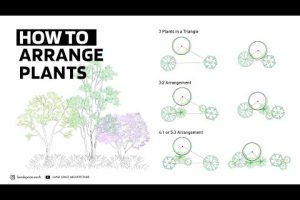
- Layer your planting heights. Place taller plants at the back or center and shorter ones in front to create a sense of depth.
- Leave breathing room. Resist the temptation to fill every inch. Negative space gives the garden a clean, restful feeling.
- Think in three dimensions. Consider how plants will look at eye level, above, and below ground.
Vertical Gardening Techniques for Small Spaces

When ground space is limited, the vertical plane becomes your greatest ally. Vertical gardening unlocks surface area that would otherwise go unused and adds dramatic visual dimension. Popular approaches include wall-mounted planters, trellises for climbing vines, tiered shelving units, and hanging basket systems. Living walls, where modular planters are attached directly to a fence or freestanding frame, are especially effective for growing ferns, succulents, strawberries, and trailing herbs like thyme and rosemary.
A sturdy pergola or arbor can also serve double duty as both a structural element and a plant support system. Training climbing roses, jasmine, or grapevines over a pergola creates a natural canopy that defines an outdoor room without adding any footprint to your backyard.
Best Plants for a Small Backyard Garden

Plant selection is where personal style meets practical science. In a compact garden, every plant must earn its place by offering multiple seasons of interest, manageable size, and low maintenance requirements. The best choices combine ornamental appeal with functional value, whether that means attracting bees, providing edible harvests, or delivering fragrance.
Comparing Plant Options for Small Gardens
| Plant | Type | Sun Needs | Best For | Seasonal Interest |
| Lavender | Perennial herb | Full sun | Fragrance, pollinators, edging | Summer bloom, silvery foliage |
| Japanese Maple | Small tree | Partial shade | Focal point, color | Spring leaves, autumn color |
| Hydrangea | Shrub | Partial sun | Mass planting, borders | Summer flowers, fall drying |
| Boxwood | Evergreen shrub | Full to partial | Structure, formal edges | Year-round greenery |
| Salvia | Perennial flower | Full sun | Color blocks, pollinators | Summer-long bloom spikes |
| Thyme | Ground cover herb | Full sun | Pathway edges, kitchen use | Spring flowers, evergreen scent |
| Hostas | Shade perennial | Full shade | Foliage texture, low maintenance | Variegated leaves, summer bloom |
When choosing plants, prioritize native species where possible. Native plants are adapted to local soil and weather conditions, meaning they require less water, fewer fertilizers, and minimal pest management. This translates to a garden that looks beautiful with less effort and supports local ecosystems more effectively.
Design Styles That Work Brilliantly in Small Backyards
The right design style can make a small garden feel intentional and polished rather than cramped. Here are several approaches that consistently deliver outstanding results in compact outdoor spaces.
Japanese-inspired gardens rely on asymmetry, natural materials, and carefully placed elements like stepping stones, moss, and a single accent plant or stone lantern. The philosophy is about evoking a sense of tranquility within a limited footprint.
Cottage garden style embraces abundant plantings in a slightly wild, romantic arrangement. In a small backyard, a cottage approach works best when you confine the most vigorous growers to containers and reserve the open ground for layered drifts of perennials and compact shrubs.
Modern minimalist gardens use clean lines, a restrained color palette, and hardscaping materials like concrete, gravel, and natural stone to create a sleek, uncluttered look. Container gardening is central to this style, allowing you to rearrange and refresh the space seasonally.
Mediterranean-inspired gardens feature drought-tolerant plants, terracotta pots, gravel pathways, and fragrant herbs like rosemary, oregano, and basil. This style thrives in warm climates and creates a warm, inviting atmosphere with minimal irrigation needs.
Common Mistakes People Make When Designing Small Backyard Gardens
Even enthusiastic gardeners can fall into traps that undermine an otherwise thoughtful design. Awareness of these pitfalls is the first step toward avoiding them.
- Overcrowding plants. It is tempting to fill every gap, but plants need room to grow. Overcrowding leads to poor air circulation, increased disease, and a chaotic appearance within a single growing season.
- Ignoring scale and proportion. Large plants dwarf small spaces; tiny plants get lost in big ones. Always check mature dimensions before purchasing.
- Neglecting hardscaping. Paths, patios, and borders define a garden and prevent it from looking like an overgrown yard. Strategic hardscaping gives structure.
- Choosing the wrong mulch. Fine bark or gravel mulch can make a small space feel polished and intentional, while straw or loose materials often look messy in compact gardens.
- Forgetting about lighting. Even a small backyard garden becomes a completely different space after dark when you add pathway solar lights, string lights, or uplights on a feature tree.
Expert Tips for Maximizing a Small Backyard Garden
Professional landscape designers use several tricks to make small spaces feel larger and more dynamic than they actually are. These techniques are accessible to any homeowner willing to apply them thoughtfully.
- Use mirrors strategically. A well-placed garden mirror reflects greenery and creates the illusion of additional depth. Mount it on a fence or wall facing a planted area for the best effect.
- Repeat plant varieties. Repetition creates rhythm and cohesion. A row of the same hydrangea variety along a fence line feels deliberate and calming.
- Go green on vertical surfaces. Green walls and trellises blur the boundary between your garden and its surroundings, making the space feel larger.
- Use one bold color theme. A garden anchored in shades of purple and white, or gold and green, feels more curated than one with every color in the spectrum.
- Incorporate water features. Even a small tabletop fountain adds sound and movement that makes a garden feel alive and expansive.
- Plan for all four seasons. Choose plants with staggered bloom times and interesting winter bark or evergreen foliage so your garden has year-round appeal.
Frequently Asked Questions
What are the best small backyard garden ideas for beginners?
Beginners should start with a simple layout featuring raised beds, a few easy-care perennials like lavender and salvia, and a clear pathway using stepping stones or gravel. Container gardening is an excellent entry point because it allows you to experiment with plant placement without committing to permanent beds. Focus on mastering basic watering and soil preparation before expanding into more complex design elements.
How do you make a small backyard garden look bigger?
Several proven techniques create the illusion of more space. Use light-colored hardscaping materials like pale stone or gravel, incorporate curves in pathways and borders so the eye moves slowly, and avoid tall solid fences in favor of low borders or open fencing. Mirrors, strategic use of reflection from water features, and planting in layers with varying heights all contribute to a sense of expanded depth.
What is the best layout for a rectangular small backyard?
For a rectangular backyard, create distinct zones along the longer axis rather than trying to use the entire space as one flat lawn. Place seating and a small patio at one end, running perpendicular to the house, and let planting beds extend along the side boundaries. A narrow garden bed running the length of the yard creates a natural corridor that draws the eye toward the far end, making the space feel elongated and purposeful.
Can I include a vegetable garden in a small backyard design?
Absolutely. Raised vegetable beds are ideal for small spaces because they define growing areas clearly, improve drainage, and reduce weed pressure. Interplant vegetables with ornamental flowers like marigolds and nasturtiums to keep the garden looking beautiful while harvesting fresh produce. A single 4-by-8-foot raised bed can supply enough herbs and salad greens for a small household throughout the growing season.
How do I maintain a small backyard garden with limited time?
Choose low-maintenance plants suited to your climate, invest in quality mulch to suppress weeds and retain moisture, and install drip irrigation or soaker hoses for efficient watering. Focus on perennial plants that return year after year rather than replanting annuals every season. A well-mulched, thoughtfully planted small garden requires less weekly maintenance than an overgrown lawn.
What lighting options work best for a small evening garden?
Solar-powered pathway lights, battery-operated string lights, and low-voltage LED uplights are the most practical choices for small backyard gardens. Place lights along walkways and aimed at feature plants or a focal tree to create depth and atmosphere. Avoid over-lighting, which can wash out the garden’s natural beauty. A few well-placed fixtures create dramatic shadows and highlight texture far more effectively than flooding every corner with light.
Conclusion
Designing a small backyard garden is one of the most rewarding projects a homeowner can undertake. It demands creativity, patience, and a willingness to think beyond traditional landscaping conventions. By carefully assessing your space, planning a thoughtful layout, selecting plants that thrive in your conditions, and applying proven design principles, you can transform even the most modest backyard into a lush, inviting outdoor sanctuary. Start with a clear vision, begin with a few key elements, and let your garden evolve naturally over time. The beauty of a small garden is that it is entirely yours to shape, refine, and enjoy for years to come.