When you step back and look at a beautifully designed outdoor space, everything feels intentional—the curves of a pathway, the placement of a focal tree, the way seasonal color flows from one bed to the next. That is the magic of design landscaping, and it is far more than just planting flowers and mowing the lawn. Whether you are a homeowner dreaming of a tranquil backyard retreat or a property manager looking to boost curb appeal, understanding the core principles and strategies behind professional landscape design can completely transform your outdoor environment. This guide walks you through everything from foundational concepts to advanced techniques, giving you the knowledge to create a yard that is functional, beautiful, and uniquely yours.
What Is Design Landscaping and Why Does It Matter?
Design landscaping refers to the art and science of planning, arranging, and modifying outdoor spaces to achieve aesthetic appeal and practical functionality. It encompasses everything from selecting plants and hardscape materials to mapping out drainage patterns and lighting layouts. A well-executed landscape design does more than look pretty—it increases property value, reduces energy costs, manages stormwater, and creates spaces where people genuinely want to spend time outdoors.
The difference between a random collection of plants and a cohesive landscape design lies in intentional planning. Professionals consider factors like soil type, sun exposure, climate zone, existing architecture, and the homeowner’s lifestyle before putting a single shovel in the ground. That strategic approach is what separates a mediocre yard from a landscape that ages gracefully and becomes more stunning every season.
Core Principles Every Landscape Designer Follows
Master landscape designers rely on a set of foundational principles that guide every decision. Understanding these concepts will help you think like a designer, even if you are planning your project yourself.
Unity and Harmony
Unity means that every element in your outdoor space feels connected. This is achieved through consistent color palettes, repeating plant varieties, matching materials, and a cohesive style. Without unity, a yard can feel chaotic and disjointed. For example, if you choose a modern minimalist hardscape design, pairing it with overly formal French parterre plantings will create visual confusion.
Balance and Proportion
Balance refers to the visual weight distributed across your landscape. Symmetrical balance mirrors elements on either side of a central axis—perfect for classic, formal entries. Asymmetrical balance uses different elements of equal visual weight, creating a more relaxed, contemporary feel. Proportion ensures that plant sizes, hardscape features, and open spaces relate to each other and to the scale of your home.
Focal Points and Visual Flow
Every great landscape design needs at least one focal point—a dramatic specimen tree, a water feature, a statement planter, or an architectural garden structure. Focal points draw the eye and give the landscape a sense of purpose. Visual flow, meanwhile, is about how the viewer moves through the space, guided by pathways, sight lines, and transitions between different zones.

Sustainability and Low Maintenance
Modern design landscaping increasingly prioritizes sustainability. This means selecting native plants adapted to local conditions, designing efficient irrigation systems, using permeable hardscape materials to reduce runoff, and choosing plants that minimize the need for chemical treatments and constant pruning.
Step-by-Step Process for Planning Your Landscape Design

Jumping straight into planting without a plan is the most common mistake homeowners make. Follow this structured approach for a polished result:
- Assess Your Site Conditions — Walk your property and note sun patterns, shade areas, soil drainage, existing trees, and the direction of prevailing winds. A simple site sketch goes a long way.
- Define Your Needs and Goals — Do you need a children’s play area, a vegetable garden, a quiet meditation space, or an entertainment patio? List your priorities.
- Create a Bubble Diagram — Draw rough “bubbles” on graph paper to map out functional zones like seating areas, planting beds, pathways, and utility spaces. This is a non-committal, free-form planning tool.
- Develop a Concept Plan — Refine your bubble diagram into a more detailed layout, choosing a style direction, hardscape materials, and preliminary plant selections.
- Finalize the Planting Plan — Select specific plants based on mature size, bloom time, texture, and color. Arrange them in layers—canopy trees, understory shrubs, perennials, and groundcovers.
- Add Hardscape and Infrastructure — Plan patios, retaining walls, irrigation lines, lighting, and drainage features in detail before construction begins.
- Implement in Phases — If budget is a constraint, execute your design landscaping plan in phases, prioritizing high-impact areas first.
Popular Design Landscaping Styles Compared
Choosing a style is one of the most exciting parts of the process. Below is a comparison of five popular approaches to help you identify the right fit for your property and personality.
| Style | Key Characteristics | Best Suited For | Maintenance Level |
| Modern Minimalist | Clean lines, geometric shapes, limited plant palette, concrete and steel hardscape | Urban homes, contemporary architecture, low-maintenance seekers | Low to Moderate |
| Cottage Garden | Lush, overflowing plantings, mixed perennials and shrubs, winding pathways, picket fences | Rural and suburban homes, traditional architecture, romantic aesthetics | Moderate to High |
| Xeriscape | Drought-tolerant plants, gravel and stone surfaces, desert-inspired tones, efficient irrigation | Arid climates, water-conscious homeowners, low-water regions | Low |
| Japanese Zen | Raked gravel, moss, minimalist plantings, stone lanterns, water basins, asymmetry | Small to medium yards, meditative spaces, contemplative design lovers | Moderate |
| Tropical Retreat | Large leafy plants, bold colors, layered canopies, water features, vibrant exotic species | Warm climates, poolside areas, dramatic visual impact seekers | Moderate to High |
Each style has its own logic and visual language. The best landscape design for you will align with your home’s architecture, your local climate, and the amount of time and money you are willing to invest in upkeep.
Hardscape vs. Softscape: Getting the Balance Right
A critical conversation in design landscaping is the interplay between hardscape and softscape elements. Hardscape includes non-living features like patios, walkways, retaining walls, pergolas, fountains, and outdoor kitchens. Softscape refers to all living components—trees, shrubs, flowers, lawns, and groundcovers.
The most impactful outdoor spaces strike a deliberate balance between the two. Too much hardscape and the yard feels sterile and heat-absorbing. Too much softscape without structure and the space lacks definition and year-round interest. A good rule of thumb is to allocate roughly 40 to 60 percent of your design to hardscape and the remainder to softscape, adjusting based on your climate and intended use.
Hardscape Design Tips
- Use natural stone or concrete pavers for pathways to create durable, visually appealing surfaces.
- Incorporate retaining walls to manage slopes and add vertical dimension to flat lots.
- Install outdoor lighting along walkways and under trees to extend usability into the evening hours.
- Choose permeable paving materials to support groundwater recharge and reduce stormwater runoff.
Softscape Design Tips
- Layer plants at varying heights to create depth and visual interest throughout the year.
- Include evergreen species to maintain structure and color during winter months.
- Group plants with similar water and sunlight needs to simplify irrigation and care.
- Add seasonal bloomers alongside perennials to ensure continuous color from early spring through late fall.
Expert Tips to Elevate Your Landscape Design
Even with a solid plan in place, small decisions can make or break the final result. Here are insider recommendations from experienced landscape designers:
- Start with the bones. Hardscape features and major trees should be installed first because they are the structural elements that everything else revolves around.
- Think in layers. Canopy trees, mid-level shrubs, understory plants, and groundcovers create a lush, multi-dimensional planting scheme that mimics natural ecosystems.
- Consider views from inside the house. Your landscape should frame beautiful outward views and draw the eye toward attractive focal points visible from interior windows and doors.
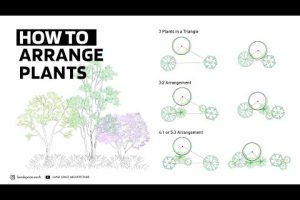
- Use odd numbers. Grouping plants in clusters of three, five, or seven creates a more natural, dynamic look than even-numbered rows.
- Invest in quality soil. Rich, well-draining soil is the single most impactful investment you can make for plant health and long-term landscape success.
- Design for all seasons. Choose a mix of plants that offer interest across all four seasons—spring blossoms, summer foliage, autumn color, and winter bark or berry texture.
Conclusion: Your Landscape Is a Living Investment
Design landscaping is one of the most rewarding investments a homeowner can make. It transforms unused, ordinary yards into personalized outdoor rooms that boost property value, support local ecosystems, and provide daily enjoyment. Whether you start small with a refreshed front entry or tackle a full-property transformation, the principles remain the same—plan intentionally, balance hardscape with softscape, choose plants wisely, and let your personal style shine through. The best landscapes are not just designed once; they evolve with care, attention, and a willingness to adapt as the garden grows and matures around you.
Frequently Asked Questions
What is the average cost of professional design landscaping?
Landscape design costs typically range from $500 to $5,000 for a residential plan, depending on property size, complexity, and geographic location. Full installation costs can range from $10,000 to $50,000 or more for comprehensive projects. Many designers offer tiered packages that allow homeowners to choose between detailed master plans and simpler concept sketches based on their budget.
How do I choose the right plants for my landscape design?
Start by identifying your USDA hardiness zone or local climate region. Then assess each planting area for sunlight exposure, soil type, and moisture levels. Select a mix of native and adapted species that thrive in those conditions, and prioritize plants that offer multiple seasons of interest—such as attractive bark, interesting foliage, and seasonal blooms.
Can I design landscaping myself, or should I hire a professional?
Small projects like a single garden bed or a simple patio can absolutely be DIY-friendly if you invest time in research and planning. However, for large-scale transformations, complex grading, irrigation systems, or structural hardscape elements, hiring a licensed landscape architect or designer ensures that your vision is executed safely, efficiently, and in compliance with local building codes.
What are the most common mistakes in design landscaping?
The most frequent errors include underestimating mature plant sizes, neglecting drainage and grading, choosing plants that are not suited to the local climate, overloading the design with too many styles or materials, and failing to plan for year-round interest. A thoughtful design phase prevents these costly mistakes before a single plant goes in the ground.
How long does it take to see a finished landscape design come to life?
While hardscape elements like patios and walls are immediately visible upon completion, softscape elements take time to mature. Most perennials fill in within one to two growing seasons, shrubs establish within two to three years, and trees can take five to ten years to reach their full visual impact. Designing with this timeline in mind helps set realistic expectations and allows for interim solutions like fast-growing annuals and container plants.