Design for outdoor spaces has evolved far beyond simple patio arrangements and garden planting. Today, outdoor design encompasses a holistic approach that blends architecture, landscaping, environmental science, and interior-level comfort into seamless external environments. Whether you are reimagining a small backyard retreat or planning a sprawling resort-style outdoor living area, understanding the principles of outdoor design can transform any open-air space into a functional, beautiful, and enduring extension of your home.
Understanding Design for Outdoor Spaces
Outdoor design refers to the intentional planning and execution of external environments to maximize aesthetics, usability, and durability. It draws from disciplines like landscape architecture, urban planning, industrial design, and environmental psychology. When you invest in thoughtful outdoor design, you are not just arranging furniture or planting flowers — you are engineering an experience that connects people with nature while standing up to the elements.
The best outdoor design strategies account for climate, topography, existing vegetation, local building codes, and the homeowner’s lifestyle. A well-designed outdoor space should feel effortless, as though it has always belonged there. This requires careful attention to proportion, material selection, color palettes, sight lines, and flow between indoor and outdoor zones.
Core Principles of Outdoor Design
Whether you are a beginner just starting to explore exterior improvements or an experienced homeowner planning a major overhaul, grounding your project in core design principles will set you up for success.
Climate and Environmental Considerations
The first step in any outdoor design project is understanding your local climate. Regional weather patterns dictate material choices, plant selection, and structural decisions. In hot, arid climates, shade structures and drought-resistant plantings are essential. In temperate zones with distinct seasons, you may need designs that accommodate both summer entertaining and winter warmth.
Consider factors like:
- Average rainfall and drainage patterns
- Sun exposure and wind direction throughout the day
- USDA hardiness zones or equivalent regional plant classifications
- Microclimates created by nearby buildings, walls, or large trees
- Humidity levels that affect material degradation and plant health
Material Selection for Outdoor Spaces

Choosing the right materials is one of the most impactful decisions in outdoor design. Materials must balance beauty with resilience, as they will be exposed to UV radiation, moisture, temperature fluctuations, foot traffic, and sometimes heavy snow or salt.
The following table compares popular outdoor materials across key performance categories:
| Material | Durability | Aesthetic Appeal | Maintenance Level | Cost Range |
| Natural Stone (Granite, Limestone) | Very High | Timeless, Organic | Low | $$ |
| Composite Decking | High | Modern, Consistent | Very Low | $ |
| Pressure-Treated Wood | Moderate-High | Rustic, Warm | Moderate | $ |
| Porcelain Pavers | Very High | Sleek, Versatile | Low | $$ |
| WPC (Wood-Plastic Composite) | High | Contemporary | Very Low | $ |
| Concrete (Stained/Polished) | High | Industrial, Clean | Low | $ |
| Brick | Very High | Classic, Elegant | Low | $$ |
Pro tip: Always request samples and test them in the actual outdoor conditions before committing. A material that looks stunning in a showroom may behave very differently under six hours of direct sunlight and seasonal freeze-thaw cycles.
Designing Functional Outdoor Zones
A successful outdoor design treats the space as a series of interconnected rooms rather than one undifferentiated area. Creating distinct zones allows you to host multiple activities simultaneously without clutter or chaos.
Creating Outdoor Living Areas
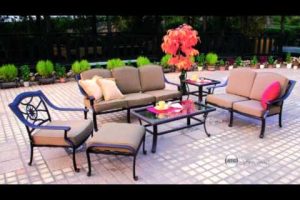
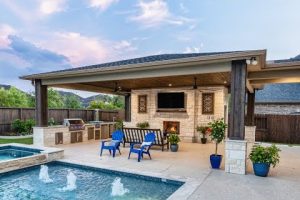
The outdoor living room has become the centerpiece of modern exterior design. Think of it as an extension of your interior living space, complete with seating, entertainment, and climate control elements.
- Define the seating area with a durable outdoor sofa arrangement, anchored by a coffee table and oriented toward a focal point — a fire pit, a view, or a water feature.
- Add a dining zone with a weather-resistant table and chairs positioned near the kitchen or grill for seamless entertaining flow.
- Incorporate shade solutions such as pergolas, retractable awnings, or shade sails to extend usability during peak sun hours.
- Plan for privacy using fencing, hedge plantings, or vertical gardens to create a sense of enclosure and intimacy.
Landscaping and Hardscaping Integration
The interplay between softscape (plants, grass, soil) and hardscape (patios, walls, pathways) is where outdoor design truly comes alive. Hardscaping provides structure and definition, while landscaping adds color, texture, fragrance, and ecological value.
When integrating both elements, consider these strategies:
- Use layered planting beds along hardscape edges to create a natural transition
- Install permeable paving to manage stormwater and support healthy plant roots
- Choose plants with varying heights, bloom times, and foliage textures for year-round interest
- Align pathway materials with your patio surface for visual cohesion
- Incorporate native species to reduce water usage and attract pollinators
Lighting and Ambiance in Outdoor Design
Outdoor lighting is arguably the most transformative — and most overlooked — element of exterior design. A well-lit space feels safer, more welcoming, and dramatically more sophisticated after dark. Professional outdoor designers use a layered lighting approach that combines ambient, task, and accent lighting.
Ambient lighting provides general illumination through fixtures like recessed step lights, post lanterns, or string lights. Task lighting focuses on functional areas such as cooking stations, reading nooks, or pathways. Accent lighting highlights architectural features, mature trees, or artwork with spotlights and uplights.
LED technology has revolutionized outdoor lighting, offering energy efficiency, adjustable color temperatures, and smart-control compatibility. Many modern systems allow you to change the mood of your entire outdoor space from a smartphone app, switching from cool white for entertaining to warm amber for relaxation.
Sustainability and Eco-Friendly Outdoor Design
Sustainable outdoor design is no longer a niche trend — it is a fundamental expectation among homeowners and designers alike. Eco-conscious design choices reduce environmental impact, lower long-term maintenance costs, and often create more resilient and visually appealing spaces.
Key sustainable practices include:
- Using reclaimed or recycled materials for hardscaping and furniture
- Installing rain gardens and bioswales to manage stormwater naturally
- Selecting drought-tolerant and native plants to minimize irrigation needs
- Incorporating solar-powered lighting and water features
- Designing for biodiversity with pollinator-friendly plantings and habitat features
- Choosing low-VOC finishes and sealants for wood and stone surfaces
These strategies not only benefit the environment but also align with increasing regulatory requirements and property value trends. Homes with professionally designed sustainable outdoor spaces consistently command higher resale premiums.
Common Mistakes to Avoid in Outdoor Design
Even experienced homeowners make preventable errors when planning outdoor spaces. Steering clear of these common pitfalls will save you time, money, and disappointment.
- Underestimating scale: Furniture and features that look perfect in a catalog may overwhelm a small courtyard or get lost in a large lawn. Always measure your space and create a scaled plan before purchasing.
- Ignoring drainage: Water pooling on a patio or eroding garden beds signals a fundamental design flaw. Incorporate grading, French drains, and proper slope calculations from the start.
- Neglecting maintenance commitments: That stunning natural stone patio looks incredible but requires regular sealing. Choose materials and plantings that match the level of upkeep you are willing to provide.
- Overlooking wind exposure: An open terrace at the top of a hill may be unusable on windy days. Use windbreaks, strategic fencing, or dense plantings to mitigate this.
- Choosing aesthetics over function: A beautiful outdoor design means nothing if you cannot actually use the space comfortably. Prioritize ergonomics, comfort, and daily usability alongside visual appeal.
Conclusion
Design for outdoor spaces is a rewarding discipline that combines creativity with practical problem-solving. From selecting the right materials and planning functional zones to integrating sustainable practices and layered lighting, every decision shapes how you experience your exterior environment. The most successful outdoor designs feel intentional, comfortable, and deeply connected to their surroundings. Start with a clear vision, respect the natural conditions of your site, invest in quality materials, and do not be afraid to think beyond traditional boundaries. Your outdoor space has the potential to be the most used room in your home — make it count.
Frequently Asked Questions
What are the best materials for outdoor design in humid climates?
In humid climates, prioritize materials that resist moisture absorption, mold, and mildew. Porcelain pavers, composite decking, and marine-grade stainless steel are excellent choices. For wood, consider certified tropical hardwoods like ipe or thermally modified ash, both of which offer exceptional weather resistance without chemical treatments. Avoid untreated natural stone in areas prone to persistent dampness, as it can develop unsightly algae and mineral deposits over time.
How do I plan an outdoor design on a tight budget?
Start by focusing on high-impact, low-cost changes such as repainting existing structures, adding container gardens, installing solar lighting, and refreshing outdoor textiles. Prioritize one or two key zones rather than attempting a full overhaul. DIY hardscaping projects like gravel pathways or timber edging can dramatically improve the look of your space for a fraction of the cost of professional installation. Invest more in durable foundational elements like quality pavers or a well-built pergola, and save on accessories that can be upgraded over time.

What is the ideal size for an outdoor entertaining area?
The ideal size depends on your typical guest count and planned activities. A general guideline is 15 to 20 square feet per person for comfortable outdoor dining and socializing. For a space that accommodates 10 guests, aim for at least 150 to 200 square feet of paved or furnished area. Include additional space for a grill station, bar area, or fire pit depending on your entertainment style. Remember that circulation space between furniture pieces is just as important as the seating footprint itself.
How can outdoor design improve my home’s resale value?
Well-designed outdoor spaces consistently deliver strong returns on investment. Features like composite decking, outdoor kitchens, landscaped front entrances, and illuminated pathways are among the top-rated upgrades for curb appeal and resale value. According to real estate industry data, exterior renovations often recoup 60 to 80 percent of their cost at resale, with outdoor living areas being particularly high-yield investments. Focus on designs that expand your usable living area, as appraisers increasingly recognize finished outdoor spaces as additional square footage.
What are current trends in outdoor design for 2024 and beyond?
Current outdoor design trends include biophilic design that deeply integrates natural elements, outdoor kitchens with built-in smokers and pizza ovens, multi-level landscaping for visual drama, and the use of AI-assisted planning tools for precise layout optimization. Sustainable and regenerative design practices are also accelerating, with homeowners increasingly choosing native plantings, permeable surfaces, and solar-powered infrastructure. Minimalist outdoor furniture with warm tones and natural textures continues to dominate, paired with statement fire features and immersive water installations that engage multiple senses.