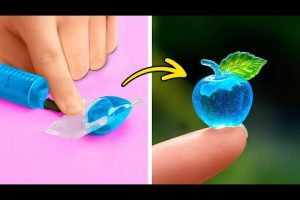
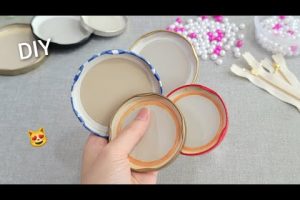
Crafter ideas have evolved far beyond the simple scrapbook or holiday ornament. Today, the world of crafting encompasses everything from upcycled home décor and handmade jewelry to digital design projects and intricate woodworking. Whether you are a complete beginner looking for your first creative outlet or a seasoned maker searching for your next challenge, the sheer variety of crafter ideas available can feel both inspiring and overwhelming. The good news? This guide breaks down the best crafting projects across every skill level, provides practical advice on tools and materials, and even explores how you can turn your creative passion into a side income or full-blown business. Let us dive deep into the world of handmade creativity and discover projects that will spark your imagination.
What Are Crafter Ideas and Why Do They Matter?
Defining the Modern Crafting Landscape
At its core, a crafter idea is any concept or blueprint for creating something by hand — a tangible item born from imagination, skill, and raw materials. But crafting today is much more than a hobby. It is a cultural movement. The rise of platforms like Etsy, Pinterest, Instagram, and YouTube has transformed crafting into a globally connected community where millions share tutorials, sell original creations, and collaborate on ambitious projects.
Crafter ideas matter because they tap into something deeply human: the desire to create. Studies consistently show that hands-on crafting reduces stress, improves focus, and boosts overall mental well-being. Beyond personal benefits, creative projects foster problem-solving skills, patience, and a profound sense of accomplishment. They also breathe life into home spaces, gift-giving traditions, and even local economies.
How Crafter Ideas Empower Creative Confidence
Many people underestimate the psychological power of crafting. Picking up a paintbrush, threading a needle, or sanding a piece of wood activates different cognitive pathways than screen-based work. Each completed project — no matter how small — reinforces the belief that you can make something from nothing. That creative confidence often carries over into other areas of life, from professional problem-solving to personal resilience.
Crafter Ideas for Beginners: Easy Projects to Start Today
If you are new to crafting, the key is to start with projects that deliver satisfying results without requiring years of practice. Here are some beginner-friendly crafter ideas that consistently deliver wow factor:
- Macrame Wall Hangings: With just cotton cord and a wooden dowel, you can create stunning bohemian wall art. Countless free tutorials exist online, and the materials cost under $15.
- Hand-Painted Terra Cotta Pots: Use acrylic paints to transform plain garden pots into vibrant, personalized planters. This project doubles as practical home décor.
- Resin Coasters: Epoxy resin kits let you embed dried flowers, glitter, or even photographs into durable, glossy coasters. The process is surprisingly simple and the results look professional.
- No-Sew T-Shirt Tote Bags: Cut the bottom off an old t-shirt, tie the strands, and you have a reusable bag in under five minutes. Perfect for eco-conscious crafters.
- Photo Collage Frames: Print favorite memories, arrange them creatively, and mount them in a custom frame. This project blends photography with hands-on artistry.
These beginner crafter ideas share one critical trait: they require minimal investment and basic tools you likely already own. Starting small builds momentum and prepares you for more complex challenges down the road.
Intermediate Crafter Ideas: Leveling Up Your Skills
Projects That Blend Technique and Creativity
Once you have mastered the basics, intermediate crafter ideas introduce new techniques — think stitching, basic carpentry, or advanced color theory. These projects demand more time and focus but reward you with noticeably polished outcomes.
- Hand-Stitched Leather Wallets: Leather crafting introduces saddle stitching, edge burning, and tooling. A quality starter kit costs around $40, and each wallet you produce can sell for $50–$150.
- Concrete Planters with Molds: Using silicone molds and concrete mix, you can craft modern, minimalist planters that rival store-bought designs. Adding pigments or embedded objects adds unique character.
- Embroidered Textile Art: Move beyond basic cross-stitch into freestyle embroidery. Threads, hoops, and fabric are inexpensive, and the creative possibilities are virtually limitless.
- Candle Making with Custom Scents: Soy wax, wicks, and fragrance oils let you design personalized candles. This project bridges crafting and entrepreneurship beautifully.
- Wood Burning (Pyrography): A basic wood-burning pen lets you etch intricate designs into cutting boards, signs, and decorative pieces. The craft has surged in popularity on social media platforms.
Why Intermediate Projects Deserve Your Attention
Intermediate crafter ideas bridge the gap between casual hobbyist and serious maker. They teach discipline, introduce specialized tools, and — importantly — help you discover which crafting niche resonates most with your personal style. Are you drawn to textile arts? Woodwork? Resin and epoxy? This is the stage where those answers become clear.
Advanced Crafter Ideas: Challenges for Seasoned Makers
For experienced crafters, the thrill lies in pushing boundaries. Advanced crafter ideas often involve combining multiple disciplines, working with premium materials, or tackling projects that require architectural thinking.
- Custom Furniture Refinishing: Take a thrift-store find and transform it with stripping, staining, painting, and poly finishing. This merges woodworking knowledge with artistic vision.
- Full-Scale Mosaic Art Installations: Using ceramic tiles, glass, and stone, mosaic art demands precision, spatial planning, and patience. Finished pieces command serious respect.
- Hand-Bound Journals and Books: Bookbinding is one of the oldest crafts and remains deeply satisfying. Learn Coptic stitching, Japanese stab binding, or full leather binding for truly heirloom-quality results.
- 3D Paper Architecture: Intricate paper models of buildings, geometric sculptures, or dioramas challenge your design sense and fine motor skills simultaneously.
- Mixed-Media Canvas Art: Combining paint, fabric, metal, found objects, and digital prints into a single canvas piece represents the pinnacle of creative fusion.
Pro Tips for Tackling Advanced Projects
Advanced crafting is rewarding but unforgiving. Always sketch your plan before beginning, pre-measure twice (or more), and invest in quality tools that will last. Do not skip protective equipment — particularly with chemicals, dust, or sharp tools. And critically, join a crafting community. Online forums, local guilds, and social media groups provide feedback, encouragement, and inspiration that solo crafting simply cannot replicate.
Comparison Table: Beginner vs Intermediate vs Advanced Crafter Ideas
| Category | Skill Level | Typical Cost | Time Required | Best For |
| Macrame Wall Hanging | Beginner | $10–$20 | 2–4 hours | First-time makers |
| Leather Wallet | Intermediate | $40–$80 | 6–10 hours | Skill building |
| Furniture Refinishing | Advanced | $100–$300+ | 15–40 hours | Seasoned artisans |
| Resin Coasters | Beginner | $25–$50 | 1–3 hours | Quick creative wins |
| Bookbinding | Advanced | $60–$150 | 10–20 hours | Artisan craftsmanship |
| Concrete Planters | Intermediate | $30–$60 | 4–8 hours | Modern décor lovers |
Turning Crafter Ideas Into Income
Practical Steps for Monetizing Your Handmade Work
Many crafters dream of turning their passion into profit — and it is absolutely achievable. The handmade goods market continues to grow, with platforms like Etsy, Shopify, and local craft fairs providing direct access to buyers who value authentic, one-of-a-kind products.
Here is a practical roadmap:
- Identify Your Niche: Focus on one category — jewelry, home décor, paper goods, or apparel — rather than offering everything at once. Niche sellers build stronger brand recognition.
- Calculate True Costs: Factor in materials, tools, packaging, shipping, platform fees, and — crucially — your time. Underpricing is the most common mistake new craft entrepreneurs make.
- Photograph Professionally: Customers buy with their eyes first. Natural lighting, clean backgrounds, and styled flat-lays dramatically increase conversion rates.
- Build an Audience Before You Sell: Share your process on social media. Behind-the-scenes content builds trust and creates anticipation long before your shop launches.
- Start Small and Scale: Launch with five to ten products, gather feedback, refine your offerings, and expand deliberately based on what resonates.
Crafting as a Therapeutic Practice
Beyond income, crafting offers profound mental health benefits. Research published in the Journal of Positive Psychology found that people who engaged in creative activities reported higher levels of happiness and lower levels of anxiety. Crafter ideas are not just projects — they are pathways to emotional resilience and mindful presence.
Essential Tools and Materials Every Crafter Should Own
Regardless of your chosen niche, a well-stocked crafting workspace makes every project smoother. Here are foundational tools recommended across most crafting disciplines:
- Sharp Cutting Tools: Quality scissors, craft knives, and cutting mats protect both your work surface and your fingers.
- Measuring and Marking Tools: Rulers, calipers, tailor’s chalk, and pencils ensure precision.
- Adhesives: Hot glue, wood glue, fabric glue, and double-sided tape cover most bonding needs.
- Sewing Basics: Even non-sewers benefit from owning a basic needle, thread, and a small sewing machine for simple repairs and projects.
- Safety Gear: Dust masks, gloves, and safety goggles are non-negotiable for woodworking, resin work, and chemical-based projects.
Frequently Asked Questions About Crafter Ideas
What are some crafter ideas for small spaces?
Crafter ideas for small spaces focus on projects that require minimal storage and workspace. Consider paper crafts like origami or journaling, digital design work on a tablet, jewelry making with compact bead organizers, or small-format watercolor painting. Vertical storage solutions and folding worktables help maximize limited areas.
How do I find fresh crafter ideas when I feel stuck?
Creative blocks happen to everyone. Try these techniques: browse crafting communities on Reddit or Pinterest for unexpected inspiration, challenge yourself with a 30-day crafting project, repurpose materials you already own, or take a class in a discipline you have never tried. Cross-pollinating between art forms — like combining painting with woodworking — often sparks breakthrough ideas.
What crafter ideas are best for kids?
Child-friendly crafter ideas include paper plate masks, homemade playdough, nature collages using leaves and twigs, friendship bracelets, and simple clay sculptures. Prioritize projects using non-toxic materials and always supervise younger children during crafting sessions involving sharp tools or chemicals.
How can I organize my crafter ideas and keep track of projects?
Many crafters use a combination of physical and digital organization methods. Try a dedicated craft journal for sketching ideas, a Pinterest board for visual inspiration, and a simple spreadsheet or Notion template to track materials needed, timelines, and project status. Keeping a finished-project portfolio — even a photo album — helps you celebrate progress and reference past work.
What is the most profitable crafter idea for beginners?
Candle making and handmade jewelry consistently rank as the most profitable beginner-friendly crafts. Both have relatively low material costs, high perceived value, and strong market demand. Custom concrete planters and leather accessories also perform well because they combine functionality with aesthetic appeal.
Are crafter ideas a good way to relieve stress?
Absolutely. Crafting engages the hands and mind in focused, repetitive, creative activity — which naturally shifts attention away from worries and toward the present moment. Activities like knitting, painting, and sculpting are especially effective for stress relief and have been compared to meditative practices in psychological research.
Conclusion
Crafter ideas represent far more than idle hobbies — they are creative lifelines that build skills, reduce stress, foster community, and can even generate income. From your first macrame wall hanging to advanced furniture refinishing, each project adds to your creative vocabulary and strengthens your confidence as a maker. The beauty of crafting lies in its accessibility: you do not need expensive equipment or formal training to begin. You need curiosity, patience, and a willingness to learn through doing. So pick an idea that excites you, gather your materials, and start creating. Your next masterpiece is waiting to be brought to life.