


Decorating a small living room can feel like navigating a complex puzzle. You want the space to look stylish and welcoming, but every single square foot counts, and clutter can quickly turn a cozy nook into a cramped corridor. Fortunately, transforming a tiny living area into a chic, functional retreat is entirely achievable with the right approach. Small space design relies heavily on intentionality, clever visual tricks, and strategic furniture choices. Whether you are a renter in a studio or a homeowner maximizing a den, the fundamental principles of compact living remain the same. This guide dives deep into practical strategies, moving from beginner basics to advanced styling techniques, ensuring your room feels expansive and undeniably beautiful.
Why Small Living Rooms Require Smart Design Strategies
The Psychology of Compact Spaces
Decorating a small living room isn’t just about making things fit; it’s about manipulating perception. When you walk into a tight space, your mind subconsciously gauges how much room you have to move. Clutter, heavy dark furniture, and poor lighting shrink the perceived boundaries, triggering feelings of confinement and unease. On the flip side, an expertly styled small living room uses visual continuity to expand the eye. By integrating smart small space design principles, you create an environment where functional zones blur, making the room feel like a seamless extension of your home rather than a cramped afterthought. This shift in mindset is the absolute foundation of any successful small room makeover, turning physical limitations into creative opportunities.

Top Furniture Arrangement Techniques for Tiny Spaces
Anchor the Room with a Single Statement Piece
When you have limited square footage, the temptation is to buy a large, oversized sofa to fill the space. However, bulk furniture is the enemy of a well-designed small living room. Instead, anchor the room with a single statement piece that draws the eye without dominating the floor plan. Choose a compact loveseat or a sleek, low-profile sofa that invites relaxation while freeing up valuable walking paths. This approach prevents the room from feeling like a bottleneck. Think of furniture arrangement as a balancing act—every piece should earn its place by serving a clear purpose or enhancing the overall flow of the room.
Embrace Floating Furniture
Another expert tip for small space design is to embrace floating furniture away from the walls. While it might seem counterintuitive, pushing all your pieces directly against the perimeter actually makes a room feel smaller by creating dead zones in the center. By placing a sofa a few inches from the wall and positioning a sleek coffee table in the center, you create a vibrant conversational zone that makes the room feel dynamic. Floating furniture also allows natural light to travel underneath, adding to the overall sense of airiness. This shift in placement transforms how the room feels from cramped to intentionally designed.
- Measure your room dimensions carefully and tape the floor outline before buying any new furniture.
- Choose pieces with exposed legs to create a sense of visual lightness and air.
- Use a strategically placed area rug to define zones without closing off the entire space.
Maximizing Light and Color for Spatial Illusions
The Power of a Neutral Color Palette
Color psychology plays a massive role in how we perceive the actual size of a room. When decorating a small living room, a neutral color palette is your safest and most effective bet. Whites, soft creams, and light greys reflect natural light rather than absorbing it, making the walls appear to recede and open up. You don’t have to stick to an entirely monochromatic scheme, but keeping the dominant wall and large furniture tones consistently light creates a powerful optical illusion of depth and grandeur. Introduce subtle texture through throw pillows, woven baskets, or a boucle armchair to add visual interest and warmth without shrinking the perceived space.
Strategic Lighting Layers
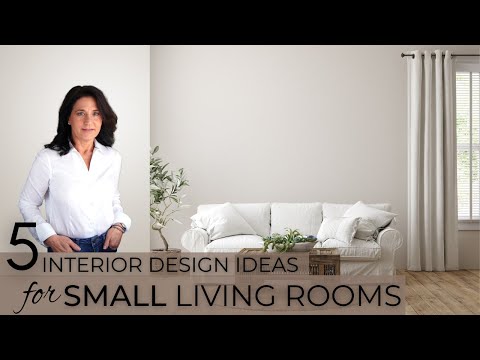
Lighting is arguably the most powerful tool in your small space design arsenal for expanding perceived square footage. Relying solely on a single ceiling fixture creates harsh shadows and dark corners that make a room feel cave-like and unwelcoming. To genuinely expand a living area, layer your lighting strategically. Combine ambient overhead lights with focused task lighting, such as a sleek arc floor lamp next to a reading chair, and warm accent lighting like wall sconces. Wall-mounted lights take up zero floor space while drawing the eye upward, effectively making your ceilings appear taller and the room more open.
- Place table lamps in dark corners to eliminate shadow pockets.
- Use sheer window treatments to maximize natural daylight.
- Install dimmers on your overhead lights to adjust the mood and make the room feel larger at night.
Smart Storage and Multi-Functional Furniture Solutions
Investing in Dual-Purpose Pieces
In a compact living room, clutter is the ultimate space killer and the fastest way to destroy the illusion of a tidy room. To keep the space looking clean, you absolutely need hidden storage solutions and multi-functional furniture. A storage ottoman serves double duty as both a coffee table and a blanket box for extra bedding. A sofa bed transforms your everyday living area into a comfortable guest room when friends visit unexpectedly. These dual-purpose investments mean that every single piece of furniture is pulling double duty, reducing the total number of items you need while maintaining maximum functionality.
Vertical Storage is Your Best Friend
When floor space is at a premium, your eyes should naturally go up. Vertical storage solutions utilize the often-wasted wall space above head height, keeping the floor clear and uncluttered. Install tall bookshelves that reach the ceiling, or use floating shelves to display books and art without encroaching on your precious floor area. This technique draws the gaze upward, emphasizing the height of the room rather than its narrow width. A well-organized vertical storage system prevents that suffocating, crowded feeling, making the room feel significantly more open and breathable.
Advanced Styling and Decor Tricks for Small Spaces
Using Mirrors and Artwork
Advanced decorators know that a well-placed mirror is the ultimate cheat code for a small living room. Mirrors bounce light around the space, creating an illusion of depth that makes the room feel twice as large. Hang a large statement mirror directly across from a window to maximize natural light reflection and bring the outdoors inside. When it comes to artwork, less is absolutely more in a tiny room. Opt for a single large piece or a small gallery wall, but avoid oversized canvases that overwhelm the wall space and make the ceiling feel like it is closing in on you.
Scaling Down Your Decor Accents
Choosing the right scale of decor is crucial when working within tight quarters. Large, chunky vases and bulky throw blankets can easily dominate a tiny sofa and visually shrink the room. Instead, scale your accents down to match the size of your furniture. Use small, curated vases, lightweight throw pillows, and delicate side tables. This careful attention to scale creates a sense of visual balance where the room breathes easily, and the decor complements the architecture beautifully rather than overwhelming it and making the space feel smaller.
Small Room vs. Large Room Decor Approaches
Understanding the difference between decorating a compact space versus an open floor plan helps clarify the priorities for your own home.
| Aspect | Small Living Room Strategy | Large Living Room Strategy |
| Furniture Scale | Compact, low-profile, and lightweight | Oversized, sectional, and anchored |
| Storage Approach | Vertical, hidden, and multi-functional | Freestanding cabinets and shelving units |
| Color Palette | Light, reflective, and neutral base | Bold accents, deep tones, and contrast |
| Lighting Focus | Layered, wall-mounted, and bright | Statement fixtures and ambient pools |
Conclusion
Decorating a small living room is less about sacrificing style and more about embracing creative constraints and thinking outside the box. By focusing on smart furniture arrangement, strategic lighting, and multi-functional pieces, you can transform even the most modest square footage into a comfortable, stylish haven that you truly love spending time in. Start with the basics—clear the clutter and choose a light palette—and then progress to advanced techniques like floating furniture and vertical storage. The ultimate goal is to make the room work seamlessly for you, blending functionality with aesthetics in a way that feels effortless, intentional, and beautifully tailored to your lifestyle.
Frequently Asked Questions
What are the best colors for decorating a small living room?
Light, neutral colors like soft whites, warm beiges, and pale greys are the best choices for small living rooms. These hues reflect natural light rather than absorbing it, creating an optical illusion of depth and making the walls appear to recede into the background. You can introduce muted pastels or a single accent wall in a deeper tone for personality, but always keep the dominant palette light to maintain that expansive, open feeling throughout the day.
How can I make a small living room look bigger without rearranging furniture?
You can visually expand a compact living room without moving heavy furniture by focusing on lighting and reflective surfaces. Add floor lamps to brighten dark corners, hang a large mirror directly across from a window to bounce light around, and swap heavy drapes for sheer window treatments. Additionally, keeping the floor space completely clear of clutter and using wall-mounted shelves instead of bulky side tables instantly opens up the space and makes the room feel significantly more spacious and inviting.
What is the best furniture arrangement for a small living room?
The best arrangement for a small living room involves floating key pieces away from the walls and choosing low-profile, scaled-down furniture. Place a compact sofa and armchairs in a conversational U-shape in the center of the room, using a small coffee table rather than a large, cumbersome one. This setup creates clear walkways, allows natural light to flow freely underneath the furniture, and makes the room feel intentionally designed rather than cluttered and cramped.
How do you add storage to a small living room without making it cluttered?
To add storage to a small living room without creating clutter, utilize vertical storage solutions and invest in multi-functional furniture. Install tall bookshelves that reach the ceiling and use floating shelves above the sofa to display decor. Opt for dual-purpose pieces like storage ottomans, lift-top coffee tables, or sofa beds that cleverly conceal essentials out of sight. This approach keeps necessary items hidden from view while maintaining a clean, minimalist aesthetic that promotes relaxation and visual calm.
What type of rug is best for a small living room?
The best rug for a small living room is one that fits all front legs of the furniture on it, or at least anchors the front row of seating securely. Avoid tiny rugs that isolate the furniture pieces, as this makes the room feel fragmented and disjointed. Stick to a light, neutral base color with a subtle pattern to define the seating area without visually shrinking the overall room size or making the floor feel like it is closing in.