


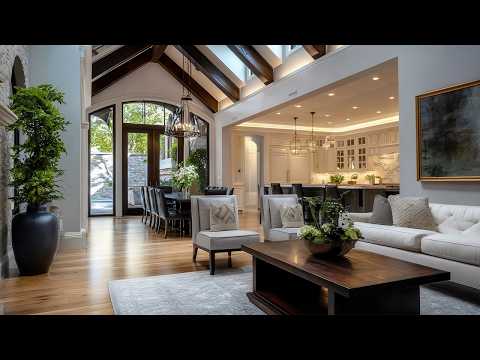
Designing a living room is much more than picking out a sofa and a coffee table; it is the art of crafting a personal sanctuary where comfort meets aesthetic appeal. Whether you are starting from scratch or looking to refresh your current setup, the journey of how to design a living room requires careful planning, a keen eye for detail, and an understanding of spatial dynamics. The living room serves as the heart of the home, a space where families gather, guests are entertained, and daily life unfolds. To truly elevate this central area, you must blend practical furniture arrangement with a cohesive design scheme that reflects your unique lifestyle. In this comprehensive guide, we will walk you through proven living room design ideas, expert tips on furniture arrangement, and actionable steps to transform any ordinary space into a stunning retreat that feels both inviting and impeccably stylish.
The Core Principles of Living Room Design
Before you purchase a single piece of furniture, you must understand the foundational principles that dictate a successful living room layout. These principles serve as the backbone of interior design living room projects, ensuring that the final result is both visually pleasing and highly functional. The balance between negative space and furnished areas is crucial; a crowded room feels suffocating, while an empty room lacks warmth. Start by measuring your room dimensions and creating a floor plan. This allows you to experiment with different configurations without the hassle of moving heavy furniture. Pay close attention to the focal point—whether it is a fireplace, a large window, or a media wall—and arrange your seating to face it. Establishing clear traffic flow paths is equally important, ensuring that people can move comfortably through the room without bumping into side tables or ottomans.
Understanding Spatial Flow and Furniture Arrangement
The way you arrange your furniture dictates how people interact within the space. For those wondering how to decorate a living room effectively, the rule of thumb is to create intimate conversation areas. Rather than pushing all furniture against the walls, pull your seating inward. This technique makes the room feel larger and more cohesive. Anchor the space with a substantial area rug that is large enough to fit the front legs of all sofas and chairs on top of it. This defines the seating zone and ties the room together visually. When considering furniture arrangement, think in triangles; the distance between the sofa, armchairs, and coffee table should allow for easy movement and conversation without feeling cramped.
Choosing the Right Style for Your Space
Every home tells a story, and your living room design should narrate yours accurately. Selecting a style is the most exciting part of the process, as it sets the tone for every subsequent decision. From minimalist Scandinavian vibes to bold maximalist expressions, the options are endless. It is essential to choose a style that not only appeals to your aesthetic preferences but also complements the architectural style of your home.
Modern vs. Traditional Living Room Design
When comparing modern and traditional interior design living room approaches, the differences are stark yet complementary. Traditional design emphasizes classic silhouettes, rich wood tones, and ornate detailing. It often features leather upholstery, heavy drapes, and antique accents that create a sense of history and warmth. On the other hand, modern living room design leans toward clean lines, open spaces, and a minimal color palette. It favors functional furniture, sleek metals, and uncluttered surfaces. If you are drawn to both, you might explore transitional design, which beautifully merges the warmth of traditional elements with the clean aesthetic of modern furniture.
Cozy and Contemporary Aesthetics
For those seeking a living room design that leans on the side of comfort, the cozy and contemporary aesthetic is incredibly popular right now. This style prioritizes soft textiles, warm lighting, and a curated collection of personal artifacts. To achieve this look, layer your seating with plush throw pillows and chunky knit blankets. Incorporate a mix of textures, such as velvet, boucle, and wrought iron, to add visual depth and tactile interest. The contemporary aspect comes from the streamlined furniture and the intentional absence of clutter. A modern coffee table or a sculptural floor lamp can bridge the gap between cozy and chic, ensuring the room feels current rather than dated.
Step-by-Step Execution: From Blueprint to Reality
Translating a vision into reality requires a structured approach. Breaking the project into manageable phases prevents overwhelm and keeps your budget on track. Whether you are a beginner looking to dip your toes into interior styling or an intermediate designer refining your skills, following a systematic process guarantees professional-looking results.
- Measure and Map: Begin by measuring your room dimensions and creating a scaled floor plan. This allows you to experiment with different configurations without moving heavy furniture.
- Define the Focal Point: Identify the room’s focal point, whether it is a fireplace, a large window, or a media wall, and arrange your seating to face it.
- Select Anchor Furniture: Choose your sofa and primary rug first. These pieces set the tone and scale for the rest of the room.
- Add Secondary Pieces: Introduce armchairs, coffee tables, and side tables, ensuring they support the traffic flow and conversation areas.
- Layer in Textiles and Decor: Finish the space with throw pillows, blankets, artwork, and lighting to add personality and warmth.
This logical progression ensures that you do not overlook critical elements while you design a living room that feels both intentional and comfortable.
The Budgeting Phase and Prioritization
Budgeting is the unglamorous but absolutely critical first step in how to design a living room that stands the test of time. Start by allocating funds for the major anchor pieces—the sofa, the primary rug, and the media console. Smaller decor items like throw pillows, artwork, and vases can be added gradually over time. When prioritizing your spending, focus on items that impact your daily comfort the most. A high-quality sofa that offers both support and softness is a better investment than an expensive, fragile accent chair.
Selecting Color Palettes and Materials
Choosing the right color palette is where many people struggle, yet it is the fastest way to unify a space. A standard rule of interior design living room projects is the 60-30-10 rule: 60% dominant color (usually walls), 30% secondary color (upholstery), and 10% accent color (pillows and decor). Neutral base colors like soft whites, warm beiges, or cool grays provide a timeless backdrop. When selecting materials, consider the room’s exposure to sunlight. Natural fibers like linen and cotton breathe well and add texture, while leather and microfiber offer superior durability for high-traffic areas.
Advanced Techniques to Elevate Your Space
Once you have mastered the basics, it is time to explore advanced design techniques that will truly set your living room apart. These expert-level strategies move beyond mere furniture arrangement and delve into the psychology of space and sensory experience.
Layering Lighting for Ambiance
Lighting design living room schemes often fail because they rely too heavily on a single overhead fixture. To create a truly dynamic and inviting atmosphere, you must layer your lighting. Ambient lighting provides general illumination, typically through recessed ceiling lights or a statement chandelier. Task lighting is essential near reading areas or seating nooks, so table lamps or adjustable floor lamps are a must. Accent lighting highlights specific features, such as artwork or architectural details, using picture lights or LED strip lights. By combining these three layers, you can adjust the room’s mood and functionality throughout the day.
Incorporating Statement Pieces and Artwork

Statement pieces are the jewelry of your interior design; they draw the eye and spark conversation. This could be a dramatic floor lamp with an organic shape, an oversized piece of abstract art, or an antique vanity that doubles as a console table. When incorporating statement pieces, remember the rule of odd numbers—group items in threes or fives for a more dynamic visual impact. However, restraint is key. A single, well-placed statement piece can anchor a room far more effectively than a cluttered collection of smaller items. Let the statement piece breathe by keeping the surrounding decor relatively subdued.
Comparing Popular Living Room Design Styles
To help you visualize where your preferences might fall, here is a comparative breakdown of the most sought-after living room design ideas currently trending. Use this table to identify the style that best aligns with your personality and practical needs.
| Design Style | Key Characteristics | Best For | Color Palette |
| Mid-Century Modern | Clean lines, tapered legs, organic shapes | Compact spaces, vintage lovers | Teal, mustard, walnut brown |
| Bohemian | Layered textiles, global influences, eclectic | Creative individuals, collectors | Terracotta, rust, jewel tones |
| Scandinavian | Minimalism, functionality, natural light | Small apartments, clutter-free minds | White, soft gray, pale wood |
| Industrial | Exposed brick, metal accents, utilitarian | Lofts, urban professionals | Black, charcoal, concrete |
Frequently Asked Questions About Living Room Design
Even with a clear vision, navigating the world of interior design can raise questions. Here are answers to some of the most common long-tail queries regarding how to design a living room and decorate effectively.
How do you design a living room on a tight budget?
Designing a living room on a budget requires a shift in focus from purchasing new items to strategic repurposing. Start with a fresh coat of paint, which is the highest-impact, lowest-cost transformation. Swap out existing throw pillows and curtains for updated textiles that instantly refresh the room’s color palette. Thrift stores and online marketplaces are goldmines for unique furniture pieces that add character without the department store price tag.

What is the best lighting setup for a living room design?
The best lighting setup for a living room design incorporates three distinct layers: ambient, task, and accent lighting. Ambient lighting provides overall illumination through a central ceiling fixture or recessed lights. Task lighting is essential near reading areas, so table lamps or floor lamps are a must-have. Accent lighting highlights specific features using picture lights or track lighting. Combining these layers allows you to control the room’s mood and functionality throughout the day.
How do you arrange furniture in a small living room?
When you design a living room that is on the smaller side, the key is to maximize flow while maintaining comfort. Use scaled-down furniture with exposed legs to create an illusion of space. Float the seating arrangement away from the walls to define the area without blocking pathways. Choose a slim, transparent coffee table or an ottoman instead of a bulky traditional table to keep sightlines open. Mirrors are your best friend in small spaces, reflecting natural light and making the room feel significantly larger.
What color schemes work best for a modern living room design?

Modern living room design typically favors clean, sophisticated color schemes that promote a sense of calm. Monochromatic palettes using varying shades of white, gray, or beige are incredibly effective, creating a seamless flow. To prevent the space from feeling sterile, introduce warmth through natural wood tones or add a pop of bold contrast with a single accent color, such as deep navy or burnt orange. Keep the palette restrained so the architectural lines and textures remain the visual focus.
How do you choose the right rug size for a living room?
Choosing the right rug size is essential for defining the seating area and anchoring the furniture. For a standard layout, the rug should be large enough that the front legs of the sofa and all armchairs rest on it. If you have a larger conversation area, consider an oversized rug that fits all furniture on top, with only the back legs of the sofa touching the edge. In smaller spaces, a rug that is too small makes the room feel disjointed, while a rug that is too large can overwhelm the space. Always leave at least eighteen inches of floor space around the perimeter of the rug to allow the room to breathe.
Conclusion: Bringing Your Vision to Life
Designing a living room is a deeply rewarding journey that allows you to express your personality while enhancing the functionality of your home. From mastering the fundamental principles of furniture arrangement to exploring advanced lighting techniques and bold color palettes, every decision you make contributes to the overall atmosphere of the space. By following this guide, you are now equipped with the knowledge and inspiration to tackle your next interior design living room project with confidence. Remember, the perfect living room is not about following trends blindly, but about creating a space that resonates with you and your loved ones. Take your time, trust your instincts, and enjoy the process of turning a simple room into the most inviting space in your home.