


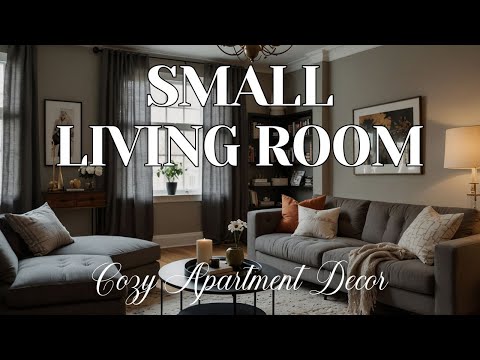
Finding the right furniture for small spaces living room can feel overwhelming, especially when you are trying to balance comfort, style, and functionality in a limited area. Whether you live in a cozy apartment, a compact studio, or a home with a modestly sized living area, the furniture you choose will define how your space looks, feels, and functions every single day. The good news is that modern interior design has evolved dramatically, and there are now countless clever solutions specifically engineered for smaller environments. In this guide, we will walk you through the best furniture choices, layout strategies, material recommendations, and expert tips that will help you transform your small living room into a stylish, comfortable, and highly functional space.
Understanding the Challenge of Small Living Room Furniture
When you are dealing with a compact living room, every piece of furniture matters. Bulky sofas, oversized entertainment centers, and heavy wooden cabinets can quickly make a small room feel cramped and claustrophobic. The core challenge is not just about fitting furniture into a limited square footage — it is about selecting pieces that serve multiple purposes while maintaining a sense of openness and visual lightness. Space-saving living room furniture addresses this by prioritizing proportion, multi-functionality, and smart design.
Consider these common pain points in small living rooms:
- Limited floor space causing traffic congestion
- Insufficient storage leading to clutter
- Oversized furniture overwhelming the room’s scale
- Poor natural light due to bulky arrangements
- Lack of visual cohesion between pieces
Once you identify where the problems lie, you can start making intentional purchasing decisions that solve multiple issues at once.
Best Furniture Pieces for Small Living Rooms
Compact Sofas and Loveseats
The sofa is almost always the centerpiece of a living room, and for small spaces, choosing the right one is critical. A compact sofa for small living room does not mean sacrificing comfort — it means selecting a piece that fits the scale of your room. Consider these options:

- Loveseats: Typically 60 to 72 inches wide, they comfortably seat two without consuming excessive floor area.
- Sleeper sofas: A dual-purpose piece that functions as a daily couch and an occasional guest bed, making it ideal for studio apartments.
- Armless or low-back designs: These create a sense of openness and allow the eye to travel across the room more freely.
- Modular sectionals: Configurable pieces let you adjust the layout as your needs change without replacing the entire set.
When shopping for a compact sofa, look for designs with exposed legs, as raised seating creates the illusion of more floor space underneath.

Nesting Tables and Multi-Functional Coffee Tables
A traditional coffee table can dominate a small living room, but multi-functional coffee tables for small spaces offer a smarter alternative. Nesting tables are an excellent choice because they can be pulled apart when you need extra surface area and tucked together when you want to free up floor space. Some modern designs even feature fold-out extensions or built-in storage compartments. Other innovative options include:
- Lift-top coffee tables that convert into dining or work surfaces
- Storage ottomans that serve as seating and hidden storage simultaneously
- Wall-mounted drop-leaf tables that fold flat against the wall when not in use
- Casters-equipped tables that can be easily repositioned as needed
Smart Storage Solutions for Small Living Rooms
Clutter is the enemy of a small living room. Without adequate storage, even the best furniture arrangement can quickly look messy. The key is to integrate storage directly into your furniture choices so that every item earns its place in the room.
Consider these storage-focused furniture pieces:
- Ottomans with hollow interiors: Perfect for storing blankets, magazines, or remote controls out of sight.
- Shelf units and bookcases: Vertical storage maximizes wall space while keeping the floor clear. Open-backed shelves also reduce visual bulk.
- TV consoles and media centers: Choose wall-mounted or low-profile designs that keep the floor footprint minimal.
- Floating shelves: These draw the eye upward and create the perception of height in the room.
- Console tables behind a sofa: A slim console provides a surface for decorative items and a hidden drawer for everyday essentials.
Expert tip: Use furniture with built-in compartments and hidden drawers rather than relying solely on standalone storage bins, which tend to add visual clutter to already tight spaces.
Furniture Layout Strategies for Small Living Rooms
Even the best small space living room furniture will fall short if it is arranged poorly. Layout is arguably the most important factor in making a compact room feel spacious and inviting. Here are proven strategies that interior designers consistently recommend:
- Float the furniture: Avoid pushing all pieces against the walls. Pulling the sofa a few inches forward creates a more intimate conversation area while keeping pathways open.
- Use area rugs to define zones: In open-plan spaces, a rug helps anchor the seating area without the need for walls or dividers.
- Choose low-profile furniture: Pieces with a lower sight line keep the ceiling feeling taller and the room feeling more open.
- Create a focal point: Direct attention toward a fireplace, window, or media wall, and arrange seating around it.
- Leave breathing room: Maintain at least 18 to 24 inches of clearance between furniture pieces to allow easy movement and prevent the room from feeling crowded.
Remember that symmetry and balance play a significant role in how spacious a room feels. Evenly distributed furniture creates visual harmony, while lopsided arrangements can make a space feel chaotic.
Material and Style Recommendations for Small Spaces
The material and finish of your furniture significantly impact how a small living room reads visually. Some materials expand the perceived space, while others can shrink it. Here is what to consider:
| Material / Style | Best For | Why It Works |
| Light-colored wood (white oak, birch) | Creating an airy, open feel | Reflects light and blends with bright walls |
| Glass and acrylic accents | Maintaining visual transparency | Disappears into the space, reducing visual weight |
| Metal frames with slim legs | Modern, minimal aesthetics | Keeps the floor visible and uncluttered |
| Dark wood and heavy upholstery | Warmth and intimacy | Best used sparingly; can absorb light in small rooms |
| Linen and lightweight fabrics | Softening compact spaces | Adds texture without adding bulk or visual heaviness |
For small living rooms, opt for light or neutral color palettes as your foundation and introduce personality through accent pillows, throws, and decorative objects rather than large, dark furniture pieces.
Comparing Top Small Space Furniture Options
When choosing between different types of furniture for your compact living room, it helps to compare them side by side based on key factors like space efficiency, comfort, style versatility, and price range.

| Furniture Type | Space Efficiency | Comfort Level | Style Versatility | Price Range |
| Compact loveseat | High | High | High | Mid to High |
| Nesting tables | Very High | Moderate | Very High | Low to Mid |
| Storage ottoman | Very High | High | High | Low to Mid |
| Wall-mounted drop-leaf table | Very High | Moderate | Moderate | Low to Mid |
| Sleeper sofa | Moderate | High | Moderate | High |
| Modular sectional | Moderate | Very High | Very High | High |
This comparison highlights that for the best results in a small living room, you should prioritize pieces that score high in space efficiency without completely sacrificing comfort or style. Nesting tables and storage ottomans are particularly valuable because they check multiple boxes simultaneously.
Common Mistakes to Avoid When Furnishing a Small Living Room
Even experienced homeowners make mistakes when selecting compact furniture for living room setups. Here are pitfalls to watch out for:
- Buying furniture designed for larger rooms: Just because a sofa looks beautiful in a showroom does not mean it belongs in your small space. Always measure your room and doorways before purchasing.
- Overcrowding with too many pieces: It is tempting to fill every corner, but restraint creates elegance. Choose fewer, higher-quality pieces instead.
- Ignoring vertical space: Many people focus only on floor furniture and forget that walls offer valuable storage and display opportunities.
- Using dark curtains and heavy window treatments: These can make a small room feel closed off. Opt for light, sheer curtains to maximize natural light.
- Skipping the rug: A well-placed area rug actually makes a small room feel larger by defining the space and creating a visual anchor.
Conclusion
Designing a beautiful and functional living room in a small space is entirely achievable with the right approach to furniture for small spaces living room selection. By prioritizing compact, multi-functional pieces like loveseats, nesting tables, and storage ottomans, and by arranging them thoughtfully with smart layout strategies, you can create a room that feels open, inviting, and highly practical. Choose light materials, neutral tones, and pieces with exposed legs or transparent elements to keep the visual weight low. And never underestimate the power of smart storage — it is the single most effective way to keep a small living room looking organized and spacious. With the tips and recommendations outlined in this guide, you are well-equipped to make thoughtful furniture decisions that will elevate your compact living room for years to come.
FAQs: Frequently Asked Questions About Furniture for Small Living Rooms
1. What is the best furniture for a very small living room under 200 square feet?
For living rooms under 200 square feet, prioritize multi-functional and compact pieces such as a loveseat or compact sofa, nesting tables, and a storage ottoman. Avoid large sectionals and oversized entertainment centers. Wall-mounted shelving and floating furniture pieces help keep the floor area open and visually spacious.
2. How do you make a small living room look bigger with furniture choices?
Choose furniture with exposed legs, light colors, and reflective materials like glass or mirrored surfaces. Keep the scale of each piece proportional to the room, use area rugs to define zones, and incorporate vertical storage solutions like tall bookshelves and wall-mounted consoles to draw the eye upward.
3. What are the best space-saving furniture pieces for a small apartment living room?
Top space-saving choices include sleeper sofas, nesting tables, lift-top coffee tables, storage benches, wall-mounted drop-leaf tables, and modular furniture that can be reconfigured as needed. These pieces maximize functionality while minimizing the footprint they occupy on the floor.
4. Is it better to buy custom furniture for a small living room or buy standard pieces?
Custom furniture can be an excellent investment if you have very specific dimensions or unique spatial challenges. However, many standard pieces from reputable brands are designed with small spaces in mind and offer excellent proportions at a lower cost. Measure your room carefully and compare custom options against ready-made solutions before deciding.
5. What colors work best for small living room furniture to create an open feel?
Light neutrals like white, cream, soft gray, and pastels are the most effective for making a small living room feel open and airy. If you want to add warmth, consider light wood tones like birch or oak. Reserve darker colors for accent pieces like throw pillows or artwork rather than large furniture items.