Designing a yard is far more than just picking out a few plants and scattering some mulch — it’s an art form, a science, and a deeply personal expression of how you want to live in and interact with your outdoor space. Whether you’re working with a sprawling backyard oasis or a modest front yard that needs a transformation, the principles of effective yard design remain the same: balance, function, texture, color, and intent. In this comprehensive guide, we’ll walk you through everything from foundational landscape design concepts to advanced hardscaping techniques, so you can create a yard that genuinely reflects your style and enhances your property value. If you’ve ever searched for yard design ideas or wondered how professionals approach landscape design, you’re in the right place.
Why Designing a Yard Deserves Your Serious Attention
The Impact on Property Value and Curb Appeal
Studies consistently show that well-designed landscapes can increase a property’s value by 10 to 20 percent. Curb appeal isn’t just a real estate buzzword — it’s the first impression your home makes on visitors, neighbors, and potential buyers. A thoughtfully designed yard frames your home, highlights architectural features, and creates an emotional connection between the built environment and nature. Even modest improvements like structured planting beds, defined pathways, and strategic lighting can yield dramatic returns.
The Benefits for Mental Health and Lifestyle

Your yard is an extension of your living space. A designed outdoor area encourages you to spend more time outside, which research links to reduced stress, improved mood, and greater physical activity. When you design a yard with intention — incorporating comfortable seating areas, water features, or a small garden — you’re essentially creating a sanctuary that supports your overall well-being.
Core Principles of Yard Design Every Beginner Should Know
Balance and Symmetry
Balance in landscape design doesn’t mean mirroring your yard like a reflection in a pond. It means distributing visual weight evenly across the space. Formal balance uses identical elements on either side of a central axis — think twin topiary trees flanking a front walkway. Informal balance distributes differing but visually equivalent elements, like a large specimen tree on one side offset by a cluster of ornamental shrubs and a stone bench on the other.
Unity and Cohesion
Every element in your yard should feel like it belongs together. This is achieved through repetition of materials, colors, or plant types. If your hardscape elements include natural stone, carry that warmth into your plant selection by choosing species with similar earthy tones. Unity prevents a yard from looking like a random collection of ideas stitched together.
Focalization and Visual Pathways
Great yard design guides the eye. You need focal points — a sculpture, a vibrant flowering tree, a pergola — that draw attention and create interest. Then you need visual pathways that lead someone’s gaze (or physical movement) through the space naturally. Curved pathways encourage slower exploration; straight lines convey formality and efficiency.
Step-by-Step Guide to Designing Your Yard
- Assess Your Site Conditions. Walk your property and note sun exposure, soil type, drainage patterns, existing vegetation, and wind direction. Understanding your site’s unique characteristics is the single most important step in outdoor space planning.
- Define Your Functional Needs. Ask yourself how you actually use your yard. Do you need a space for entertaining? A play area for children? A quiet reading nook? A vegetable garden? List every function you want your yard to serve.
- Create a Base Map. Sketch your property boundaries, house footprint, utility lines, and existing features. This doesn’t need to be architectural — even a rough sketch works. Many homeowners now use free tools like Google Earth or basic landscaping software to digitize this.
- Develop a Concept Plan. Before jumping into plant selections, draw zones on your map. Designate areas for dining, lounging, gardening, and circulation. Think of your yard as a series of outdoor “rooms.”
- Select Your Plants and Materials. Now the fun begins. Choose plants suited to your climate zone, and select materials that complement your home’s architecture. Native plants are increasingly recommended because they require less water, resist local pests, and support pollinators.
- Implement in Phases. You don’t have to do everything at once. Many professionals recommend breaking a landscape design project into seasonal phases — hardscaping first, then planting, then fine-tuning with lighting and accessories.
Beginner Tips for First-Time Yard Designers
- Start small. Redesign one bed or one zone before tackling the entire property.
- Use the “rule of three” — group plants in odd numbers for a more natural look.
- Layer your planting: place tall plants at the back, medium in the middle, and low-growing or spreading plants at the front.
- Don’t underestimate the power of mulch. It suppresses weeds, retains moisture, and gives a polished appearance.
- Always account for mature plant sizes. It’s tempting to pack plants close together, but they need room to grow.
Yard Design Styles — A Comparison
Choosing a design style helps unify your decisions and gives you a roadmap. Here’s how popular styles stack up:
| Style | Best For | Key Features | Maintenance Level |
| Modern Minimalist | Urban homes, busy professionals | Clean lines, limited plant palette, concrete or paver hardscape, sculptural accents | Low |
| Cottage Garden | Traditional homes, romantic souls | Mixed borders, climbing roses, gravel paths, birdbaths, abundant color | Moderate to high |
| Xeriscaping | Dry climates, eco-conscious homeowners | Drought-tolerant plants, rock gardens, gravel mulch, efficient irrigation | Low |
| Tropical | Warm climates, exotic aesthetics | Bold foliage, palm trees, water features, bamboo, vibrant blooms | Moderate |
| Japanese Zen | Meditation-focused homeowners | Raked gravel, moss, maples, stone lanterns, asymmetry, simplicity | Low to moderate |
Advanced Yard Design Techniques for Intermediate and Expert Designers
Integrating Water Features Strategically
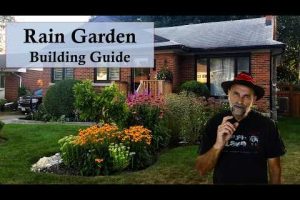
A backyard design with a water feature instantly elevates the sensory experience. However, placement matters. Water elements should be positioned where you can hear and see them — typically near a seating area or a window. Recirculating fountains are more energy-efficient than ponds, but ponds support biodiversity by attracting frogs and dragonflies. For advanced designers, integrating a rain garden that captures stormwater runoff serves both aesthetics and environmental function brilliantly.
Using Lighting to Transform the Space
Outdoor lighting is the secret weapon of professional yard designers. Layer your lighting using three distinct types: ambient lighting (string lights or lanterns for overall warmth), task lighting (path lights for safe navigation), and accent lighting (uplighting a tree or illuminating a water feature). LED fixtures with warm color temperatures between 2700K and 3000K create the most inviting atmosphere. Timer and smart-home integration allows you to schedule lighting scenes for different occasions.
Hardscaping with Purpose

Paths, walls, retaining structures, and patios aren’t just decorative — they define how your yard functions. A well-placed retaining wall solves drainage problems while creating tiered planting areas. A paver patio with a built-in fire pit becomes the social anchor of your backyard. When designing a yard at an advanced level, think of hardscape as the skeleton that supports every other design decision.
Common Mistakes to Avoid When Designing a Yard
- Ignoring scale and proportion: Oversized features can overwhelm a small yard, while tiny elements disappear in large spaces.
- Over-planter syndrome: Packing too many plants creates visual chaos and competition for resources.
- Neglecting maintenance reality: Choose materials and plants you can realistically sustain over time.
- Copying a magazine photo exactly: Adapt ideas to your specific climate, soil, and lifestyle rather than replicating blindly.
- Skipping drainage planning: Poor drainage destroys even the most beautiful designs within a single season.
Frequently Asked Questions About Designing a Yard
What is the best way to design a yard on a tight budget?
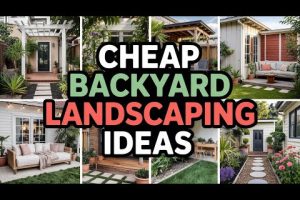
Focus on high-impact, low-cost improvements first: fresh mulch, painted or replaced planter boxes, seed-grown native plants, and DIY gravel pathways. Prioritize structural elements like a clear pathway and defined zones, as these create the perception of a well-designed space without requiring expensive materials. Many experts recommend spending 10 to 15 percent of your home’s value on landscaping for optimal return on investment.
How do I choose the right plants for my yard design?

Start with your USDA hardiness zone and sun exposure. Then consider soil type, water availability, and mature size. Native plant species are always the safest bet because they’re adapted to local conditions and support ecosystems. For continuous visual interest, select plants that offer something in every season — spring blooms, summer color, autumn foliage, and winter structure from evergreens or ornamental grasses.
Can I design a low-maintenance yard that still looks stunning?
Absolutely. Xeriscaping and gravel-garden approaches minimize watering and weeding. Choosing perennial plants that come back year after year reduces planting labor. Hardscape features like stone walls and native ground covers create structure and fill space without constant upkeep. The key is designing with fewer, well-chosen elements rather than filling every inch.
What are the current trends in backyard design for 2024 and beyond?
Current trends include outdoor kitchens and dining areas, fire pits as social gathering points, wildflower meadows replacing traditional lawns, smart irrigation systems, and vertical gardens for small spaces. Sustainability is a dominant theme — rainwater harvesting, permeable paving, and pollinator-friendly planting are increasingly mainstream rather than niche choices.
How much space do I need for a functional backyard design?
A functional backyard can be designed in as little as 500 square feet if you plan efficiently. A compact dining area needs roughly 100 square feet, a fire pit zone about 100 square feet, and a garden bed can run along a fence line at minimal depth. The goal isn’t square footage — it’s intentional use of whatever space you have. For larger yards, aim for distinct zones that prevent any single area from feeling overcrowded.
Final Thoughts on Designing a Yard That Inspires
The most important takeaway from this guide is that great yard design is a process, not a single event. Start with honest assessments of your site, your needs, and your budget. Build your design in layers — beginning with structure and flow, then adding plants and materials, and finishing with the details that make the space truly yours. Whether you’re drawn to the clean sophistication of modern landscaping or the lush charm of a cottage garden, the principles remain universal. Design with intention, plant with knowledge, and enjoy the journey as much as the destination. Your yard has the potential to become one of the most rewarding spaces in your entire life — and it all starts with a single, well-thought-out plan.