


American home design has captivated homeowners, architects, and interior enthusiasts for centuries, evolving from colonial roots into a rich tapestry of styles that reflect the country’s cultural diversity, regional landscapes, and architectural innovation. Whether you are renovating an existing property or building from the ground up, understanding the principles behind American home design can transform the way you approach every decision — from floor plans and façade materials to color palettes and furniture selections. This comprehensive guide dives deep into the defining characteristics, popular styles, practical strategies, and emerging trends that make American residential architecture one of the most influential design traditions in the world today.
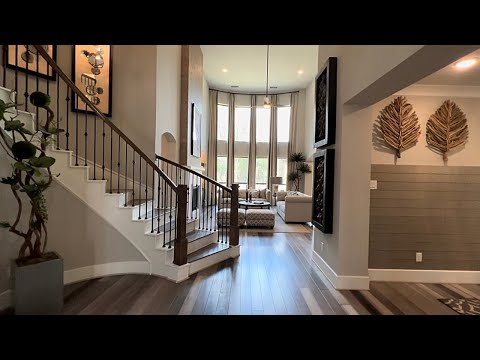
What Defines American Home Design?
At its core, American home design is a blend of practicality, comfort, and personal expression. Unlike some European traditions that prioritize formal symmetry or historical preservation, the American approach tends to celebrate open living spaces, functional layouts, and a connection to the natural environment. The philosophy centers on creating a dwelling that feels welcoming, livable, and adaptable to the rhythms of daily family life. This ethos has produced a remarkable variety of regional and stylistic interpretations, each carrying its own distinct identity while sharing common values of craftsmanship and livability.
Several foundational principles set American residential architecture apart from other global traditions:
- Functionality first — layouts are designed around how people actually live, not rigid formal conventions
- Regional adaptability — designs respond to climate, terrain, and local materials across vastly different landscapes
- Open floor plans — the blending of kitchen, dining, and living areas into cohesive social spaces
- Craftsmanship and material honesty — showcasing natural wood, brick, stone, and other authentic materials
- Personalization — encouraging homeowners to infuse their own taste and lifestyle into the space
Key Architectural Styles in American Home Design
The sheer variety of American residential architecture styles is one of the most exciting aspects of this design tradition. From the elegant symmetry of Colonial homes to the sprawling ranch houses of the postwar era, each style tells a story about the era, culture, and geography in which it emerged. Understanding these styles gives you a powerful foundation for making informed design choices.
Colonial and Colonial Revival
Rooted in the 17th and 18th centuries, Colonial architecture reflects the earliest European settlements in America. These homes are defined by their symmetrical façades, central doorways with balanced windows, steep pitched roofs, and formal interior rooms. The Colonial Revival movement of the late 19th and early 20th centuries reintroduced these classic elements with modern conveniences, creating a timeless aesthetic that remains enormously popular in suburban developments today.
Craftsman and Bungalow
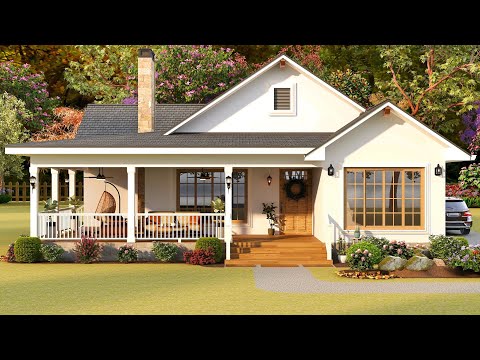
Emerging from the Arts and Crafts movement around the turn of the 20th century, Craftsman-style homes emphasize handcrafted details, exposed rafters, tapered columns, and natural materials. The American bungalow — a modest, single-story home with a broad front porch and intimate scale — became a beloved symbol of comfortable, attainable living and continues to influence modern cottage and farmhouse designs.

Mid-Century Modern
Mid-century modern architecture, flourishing from the 1940s through the 1960s, brought clean lines, large windows, open interiors, and a seamless indoor-outdoor relationship. Think of the iconic ranch home with its low-pitched roof, open floor plan, and integration with the landscape. This style has experienced a dramatic resurgence in recent years, with homeowners and designers drawn to its retro-chic aesthetic and forward-thinking spatial planning.
Farmhouse and Rustic American
The American farmhouse aesthetic has exploded in popularity, driven in part by television shows and social media. Farmhouse design blends rustic charm with modern convenience, featuring shiplap walls, barn doors, farmhouse sinks, open beams, and warm neutral color palettes. This style celebrates authenticity, simplicity, and a deep connection to rural American traditions.
Comparing Popular American Home Design Styles
Choosing the right architectural style for your project can be overwhelming. The table below breaks down the most influential American home design styles, comparing their defining characteristics to help you identify the best fit for your vision and lifestyle.
| Style | Era of Origin | Key Features | Best Suited For |
| Colonial | 1600s–1700s | Symmetrical façade, central chimney, formal rooms, brick or clapboard siding | Traditional families, classic neighborhood settings |
| Craftsman/Bungalow | 1890s–1930s | Handcrafted details, front porch, low-pitched roof, built-in cabinetry | Urban lots, cozy living, DIY enthusiasts |
| Mid-Century Modern | 1940s–1960s | Clean lines, floor-to-ceiling glass, open plan, post-and-beam construction | Modern lifestyles, nature-oriented living |
| Farmhouse | 1800s, revived 2010s | Shiplap, barn doors, open beams, neutral tones, functional kitchen | Rural and suburban homes, warm casual living |
| Contemporary | 2000s–present | Minimal ornamentation, sustainable materials, energy-efficient systems, asymmetrical forms | Eco-conscious homeowners, sleek modern aesthetics |
How to Incorporate American Home Design into Any Space
One of the greatest strengths of American home design is its flexibility. You do not need to live in a colonial or craft-style home to embrace its principles. Here are practical, expert-backed strategies for weaving American design sensibilities into your own space, regardless of architectural constraints.
- Prioritize the entryway experience. The front door is a focal point in American home design. Invest in a well-proportioned door, quality hardware, and welcoming lighting to set the tone for the entire home.
- Embrace the open concept. Knock down non-load-bearing walls between the kitchen, dining, and living areas to create the flowing social spaces that define modern American living.
- Choose warm, natural materials. Hardwood flooring, exposed wood beams, stone fireplaces, and brick accents are hallmarks of the American approach. These materials add texture, warmth, and visual depth.
- Layer your lighting. American interior design thrives on layered illumination — combine ambient ceiling fixtures, task lighting in kitchens and reading nooks, and accent lighting to highlight architectural features.
- Curate a mix of old and new. The American aesthetic comfortably blends vintage and contemporary pieces. Pair a mid-century modern sofa with an antique wooden dining table for a layered, lived-in feel.
- Honor the porch. If your home has a porch, make it an extension of your living space with comfortable seating, planters, and warm lighting. The front porch is a deeply American tradition that fosters community connection.
Trends Shaping the Future of American Home Design
The landscape of American home design is constantly evolving, influenced by technology, environmental awareness, and shifting cultural values. Several key trends are reshaping how homes are designed and experienced in the 21st century:
- Sustainable and green building practices — energy-efficient insulation, solar panels, smart thermostats, and recycled building materials are becoming standard expectations rather than luxury add-ons
- Multigenerational living spaces — American homes are increasingly incorporating in-law suites, flexible bedrooms, and shared gathering areas to accommodate extended families
- Smart home integration — automated lighting, security systems, voice-controlled appliances, and connected HVAC systems are seamlessly woven into the architectural fabric
- Indoor-outdoor living — covered patios, sliding glass doors, outdoor kitchens, and courtyard designs blur the boundary between interior comfort and exterior enjoyment
- Biophilic design — incorporating natural light, indoor plants, water features, and organic shapes to improve well-being and reduce stress
- Adaptive reuse and renovation — transforming historic structures such as warehouses, barns, and schoolhouses into contemporary homes preserves architectural heritage while meeting modern needs
Practical Tips for Beginners and Intermediate Designers
If you are new to the world of American home design, start with these foundational strategies that deliver maximum impact with manageable investment:
- Focus on paint color as your most affordable transformation tool. Warm whites, soft grays, and earthy tones dominate American interiors and create an immediately cohesive atmosphere.
- Invest in quality cabinetry and hardware — these elements define the character of kitchens and bathrooms, which are the heart of any American home.
- Use area rugs and lighting to define zones within open floor plans, giving each area its own purpose and visual identity.
- Add built-in shelving and window seats to maximize storage while enhancing the architectural character of a room.
- Study regional design traditions — Southern porch homes, New England capes, and Southwest adobe-style homes each offer unique lessons in climate-responsive design.
For intermediate designers, push further by experimenting with architectural details like wainscoting, coffered ceilings, exposed ductwork, and custom millwork. These elements add sophistication and depth without requiring a complete structural overhaul.
Expert Recommendations for Long-Term Design Success
Seasoned architects and interior designers consistently emphasize that the best American homes are those designed with long-term adaptability in mind. Rather than following every passing trend, focus on building a durable foundation of quality materials, flexible layouts, and timeless aesthetics. Choose finishes and fixtures that age gracefully, plan spaces that can evolve with your family’s changing needs, and prioritize craftsmanship over short-term savings. A well-designed American home should feel like it was made for the people who live in it — and it should continue to serve them beautifully for decades to come.
Conclusion
American home design is far more than a collection of architectural styles — it is a living tradition shaped by history, geography, innovation, and the enduring desire for a place to call home. Whether you are drawn to the quiet elegance of Colonial Revival, the warmth of Craftsman craftsmanship, the bold simplicity of Mid-Century Modern, or the cozy charm of farmhouse aesthetics, the principles of American residential design offer a roadmap for creating spaces that are beautiful, functional, and deeply personal. By understanding the foundational elements, staying informed about emerging trends, and applying practical design strategies, you can build or renovate a home that truly embodies the best of American architectural heritage.
Frequently Asked Questions
What are the most popular American home design styles in 2024?
The most popular American home design styles in 2024 include farmhouse, mid-century modern, Craftsman bungalow, and contemporary ranch. Farmhouse aesthetics dominate social media and retail trends, while mid-century modern continues to attract buyers seeking clean lines and retro-inspired charm. Contemporary styles focusing on sustainability and energy efficiency are also gaining significant momentum among eco-conscious homeowners.
How can I make my home look more American in design?
To achieve an authentic American home design look, focus on open floor plans, warm natural materials like wood and stone, neutral earth-tone color palettes, and functional built-in storage. Add signature elements like a welcoming front porch, exposed ceiling beams, shiplap accents, and a combination of vintage and modern furnishings. The key is balancing warmth, comfort, and practicality.
What is the difference between American Craftsman and European Arts and Crafts design?
While both movements share roots in the same Arts and Crafts philosophy of handcraftsmanship and natural materials, American Craftsman design tends to be more relaxed and informal. American versions feature lower-profile rooflines, broader front porches, and a stronger emphasis on indoor-outdoor living. European Arts and Crafts homes often maintain more formal room arrangements and heavier ornamentation compared to their American counterparts.
How much does it cost to design an American-style home?
The cost varies widely depending on size, style, region, and level of customization. A basic renovation embracing American design elements might cost $15,000 to $50,000, while building a custom American home can range from $250,000 for a modest bungalow to well over $750,000 for a large Craftsman or Colonial estate. Working with an architect experienced in American residential design helps ensure your budget aligns with your vision.
What interior color schemes work best for American home design?
American home interiors thrive on warm, grounded color palettes. Popular choices include warm whites, soft creams, navy blue, hunter green, warm grays, terracotta, and muted earth tones. These colors complement the natural materials commonly used in American architecture — wood, brick, and stone — and create the welcoming, comfortable atmosphere that defines the style.