DIY furniture plans have transformed the way homeowners, hobbyists, and woodworkers approach building custom pieces for their living spaces. Whether you are looking to craft a rustic farmhouse dining table, a sleek minimalist bookshelf, or a sturdy workbench for your garage, having a well-structured plan eliminates guesswork and dramatically improves your results. In this comprehensive guide, we will explore everything you need to know about finding, selecting, and executing DIY furniture plans — from beginner-friendly projects to advanced woodworking designs that challenge even seasoned builders.
Why DIY Furniture Plans Are Worth Your Time and Investment
Building furniture from scratch offers a level of satisfaction that purchasing off-the-shelf pieces simply cannot match. When you follow detailed DIY furniture plans, you control every dimension, every joint, and every finish. This level of customization means your final piece fits your space perfectly, reflects your personal style, and often costs a fraction of what comparable store-bought furniture would cost. Beyond savings, the process itself builds practical skills in measurement, joinery, finishing, and problem-solving that transfer to future projects.
For many people, the appeal extends beyond utility. DIY furniture building has become a popular creative outlet — a way to disconnect from screens and engage with hands-on craftsmanship. Studies in occupational therapy even suggest that woodworking reduces stress and improves focus. When you invest time in quality plans, you set yourself up for a rewarding experience rather than a frustrating one.
Best Types of DIY Furniture Plans for Beginners
If you are new to woodworking, starting with the right project is critical. Choosing overly complex designs too early leads to frustration, wasted materials, and abandoned projects. The best beginner DIY furniture plans focus on fundamental skills like straight cuts, basic assembly, simple joinery, and straightforward finishing techniques.
Simple Woodworking Projects to Start With
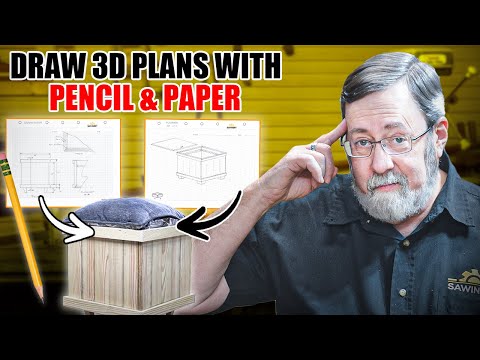
Here are some of the most popular and rewarding beginner-friendly furniture projects:
- Floating Wall Shelves — These require minimal materials, basic cutting skills, and simple wall-mounting hardware. They are excellent for practicing precise measurements and clean finishing.
- Pallet Coffee Table — Repurposed pallets are affordable and widely available, making them ideal for first-time builders learning to sand, assemble, and seal wood surfaces.
- Outdoor Wooden Bench — A straightforward bench teaches essential concepts like leg assembly, seat attachment, and weather-resistant finishing.
- Step Stool — Small in scale but packed with learning opportunities, including crosscutting, drilling pilot holes, and applying paint or stain.
- Simple Storage Bench with Lid — Introduces basic box construction and hinge installation, skills that transfer directly to larger furniture builds.
When selecting beginner plans, look for those that include detailed diagrams, a complete cut list, recommended tools, and step-by-step assembly instructions. Plans that also note common mistakes and provide troubleshooting tips are especially valuable for newcomers.
Intermediate DIY Furniture Plans That Build Real Skills
Once you have completed a few beginner projects, you are ready to level up. Intermediate DIY furniture plans introduce techniques like dados, rabbets, dowel joinery, pocket screws, and basic curved shaping. These projects demand more precision and planning but produce furniture pieces that look professional and perform exceptionally well.
Recommended Intermediate Projects
- Platform Bed Frame — Building a platform bed involves working with large panels, ensuring square assembly, and creating a sturdy structure that safely supports a mattress. This project sharpens your ability to manage long cuts and alignment.
- Dining Table with Trestle Legs — Trestle-style legs introduce you to angled joinery and structural reinforcement techniques. This plan also teaches you how to build and attach a tabletop from multiple boards using breadboard ends or tabletop fasteners.
- Floating Corner Shelf Unit — Corner units require precise angled cuts and spatial planning. They are perfect for practicing miter joints and understanding load distribution.
- Garage Workbench with Built-In Storage — A heavy-duty workbench combines cabinet construction, shelf planning, and durable finishing — all skills that accelerate your growth as a woodworker.
At the intermediate stage, it is also worth investing time in understanding wood species, grain direction, and how different finishes interact with various types of lumber. These subtleties separate good-looking projects from truly exceptional ones.
Advanced DIY Furniture Plans for Experienced Builders
For seasoned woodworkers, advanced DIY furniture plans offer opportunities to explore complex joinery, sculptural forms, and heirloom-quality construction. These projects often incorporate techniques like mortise and tenon joints, hand-cut dovetails, steam bending, and custom hardware fabrication. The plans themselves tend to be more detailed and assume a deeper understanding of woodworking principles.
Challenging Projects Worth Pursuing
- Arts and Crafts Style Dining Set — Combines mortise-and-tenon joinery with hand-rubbed oil finishes and tapered legs. This project demands precision and patience but yields a stunning family heirloom.
- Curved Chaise Lounge — Involves steam bending or lamination techniques to create flowing organic shapes. Advanced plan versions include templates and lamination schedules.
- Arbor or Garden Pergola — Outdoor furniture and structures require weather-resistant joinery and finish systems. These plans teach structural engineering principles alongside woodworking craft.
- Custom Office Desk with Cable Management — Integrates modern functionality with traditional craftsmanship, requiring careful planning for routed channels, grommet installation, and cable routing systems.
At the advanced level, many builders begin designing their own furniture plans rather than relying solely on published guides. Understanding the principles behind good design — proportion, material efficiency, structural integrity, and aesthetic harmony — becomes just as important as execution.
How to Choose the Right DIY Furniture Plan for Your Project
Not all furniture plans are created equal. Whether you are browsing free plans online or purchasing premium downloadable guides, evaluating quality before you commit time and money is essential.
Key Factors to Consider
- Completeness of Materials List — A quality plan should specify exact dimensions, wood species, hardware types, and quantities. Vague materials lists lead to extra trips to the lumber yard and budget overruns.
- Tool Requirements — Check whether the plan assumes access to specialized equipment like a dado stack, router table, or jointer. Choosing plans that match your current tool collection prevents unnecessary purchases.
- Skill Level Alignment — Reputable plan providers clearly label difficulty levels. Be honest about your abilities and select projects that stretch your skills without overwhelming you.
- Step-by-Step Photographic or Illustrated Instructions — Visual guidance is invaluable, especially for complex joinery sequences.
- Finish and Hardware Recommendations — The best plans suggest specific stains, paints, oils, and hardware that complement the design and ensure longevity.
- Measurement Systems — Confirm whether the plan uses imperial or metric measurements and that it aligns with your tools and workspace.
Free vs. Paid DIY Furniture Plans
One of the most common questions among new woodworkers is whether free plans are worth using or if paid plans deliver better value. Here is a quick comparison:
| Factor | Free Plans | Paid Plans |
| Cost | $0 | Typically $5–$30 per plan |
| Detail Level | Varies widely; some lack critical details | Generally more thorough and professionally edited |
| Design Variety | Large selection available | Curated collections with unique designs |
| Support and Updates | Rarely included | Often includes customer support and revisions |
| Error Rate | Higher chance of missing steps or incorrect dimensions | Lower error rate due to professional review |
| Best For | Casual builders and trial projects | Serious woodworkers and professional results |
For beginners, starting with a few well-reviewed free plans is perfectly acceptable. However, as you progress to intermediate and advanced builds, investing in high-quality paid plans often saves time, reduces material waste, and produces significantly better results.

Expert Tips for Successfully Building From DIY Furniture Plans
Even the best plan will not guarantee success if execution is careless. Here are proven strategies from experienced woodworkers that dramatically improve your build quality:
- Read the entire plan before cutting a single board. This sounds obvious, but many beginners jump straight into cutting and discover missing steps or confusing instructions mid-project.
- Invest in quality measuring and marking tools. Accurate measurements are the foundation of every successful build. A good combination square, tape measure, and marking gauge pay for themselves many times over.
- Cut your first pieces from inexpensive scrap. If the plan includes a complex joint or unfamiliar technique, practice it on cheap material before committing your primary lumber.
- Dry-fit everything before applying glue or fasteners. Assembling pieces without adhesive lets you check for fit issues, alignment problems, and dimension errors before they become permanent.
- Sand progressively through grits. Starting with coarse grit and working up to fine grit (120, 180, then 220) produces a smooth surface that accepts finish evenly and looks professional.
- Apply finish in a well-ventilated area with proper lighting. Poor lighting hides drips, brush marks, and uneven coverage that become glaringly obvious once the finish dries.
- Take your time with glue-up. Rushing assembly is the number one cause of misaligned joints and visible gaps. Work methodically, clamp properly, and allow adequate cure time.
Conclusion
DIY furniture plans open the door to building beautiful, functional, and personalized pieces for your home. Whether you are taking your first steps into woodworking with a simple shelf or tackling an ambitious dining table with hand-cut dovetails, the right plan transforms an intimidating project into an achievable and enjoyable one. Start with projects that match your skill level, invest in quality materials and tools, read plans thoroughly before beginning, and embrace mistakes as valuable learning opportunities. The furniture you build with your own hands will carry a sense of pride and craftsmanship that mass-produced pieces simply cannot replicate.
Frequently Asked Questions
What are the best websites for free DIY furniture plans?
Several reputable websites offer free DIY furniture plans, including Ana White, Lowe’s, and Woodworkers Guild of America. These platforms provide plans for every skill level with detailed instructions, materials lists, and visual guides. When using free plans, cross-reference instructions with user reviews and comments to identify any known errors or ambiguities before starting your build.
What tools do I need to start following DIY furniture plans?
A basic toolkit for beginner furniture building includes a circular saw or hand saw, a power drill with assorted bits, a tape measure, a combination square, clamps, sandpaper in multiple grits, and a level. As you advance, adding a router, jigsaw, and orbital sander expands the range of projects you can successfully complete from your plans.

How do I adapt DIY furniture plans to fit my available space?
Scaling furniture plans to fit your space is straightforward when you adjust dimensions proportionally before cutting. Measure your available area carefully, calculate the scaling factor, and apply it to every dimension in the plan. Always double-check that the scaled design maintains structural integrity — reducing a table’s leg thickness too much can compromise stability and safety.
Can I customize DIY furniture plans to use different wood species?
Yes, customizing wood species in DIY furniture plans is common, but keep in mind that different woods have varying densities, grain patterns, and finishing requirements. Hardwoods like oak, maple, and walnut offer durability and beauty but require sharper tools and more careful handling. Softwoods like pine and cedar are easier to work with but dent more easily. Always research the specific wood you choose to ensure your joinery approach and finishing method are appropriate.
Are DIY furniture plans suitable for people with no prior woodworking experience?
Absolutely. Many high-quality DIY furniture plans are specifically designed for complete beginners. Look for plans labeled as beginner-friendly that include detailed illustrations, video tutorials, and comprehensive tool lists. Start with simpler projects like a wall shelf or step stool to build confidence before tackling more complex builds. The woodworking community is also incredibly supportive, with forums and social media groups where beginners can ask questions and get guidance throughout their first projects.
How long does it typically take to complete a project from DIY furniture plans?
Completion time varies significantly based on project complexity, your skill level, and the time you can dedicate to building. A simple floating shelf might take a weekend, while a detailed dining table could require several weeks of intermittent work. Intermediate and advanced plans often include estimated build times in their instructions, which can help you plan your schedule realistically. Remember that rushing leads to mistakes — most experienced builders recommend budgeting extra time for unexpected challenges and finishing steps.