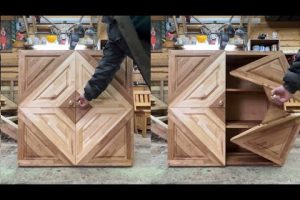
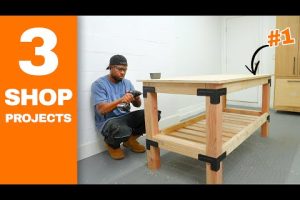
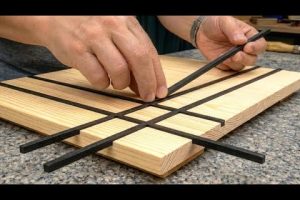
DIY plans have transformed the way homeowners, hobbyists, and creative enthusiasts approach building, renovating, and crafting projects around the house. Whether you are looking for free DIY woodworking plans, step-by-step weekend project guides, or detailed schematics for complex furniture builds, having the right plan changes everything. A well-structured DIY plan saves you time, reduces costly mistakes, and gives you the confidence to tackle tasks you might otherwise avoid. In this comprehensive guide, we will explore every aspect of DIY plans — from beginner-friendly ideas to advanced build strategies — so you can choose, customize, and execute projects with genuine results. If you have ever wondered where to start or how to level up your hands-on skills, this article is your roadmap.
What Are DIY Plans and Why Do They Matter?
DIY plans are detailed project blueprints that walk you through the entire process of building or creating something yourself. These plans typically include material lists, cut diagrams, dimensions, tools required, assembly instructions, and often visual references such as photographs or illustrations. The best DIY plans go beyond simple instructions — they provide safety tips, troubleshooting advice, and finish recommendations that elevate the final outcome.
Why do they matter so much? Because guessing your way through a construction or crafting project almost always leads to wasted materials, frustration, and subpar results. A solid plan acts as your blueprint for success, ensuring that every measurement, joint, and finish aligns with your vision. Whether you are assembling a simple shelf or constructing a backyard deck, the quality of your plan directly influences the quality of your finished project.
Types of DIY Plans You Can Explore
The world of DIY plans spans a massive range of categories and skill levels. Understanding the different types available helps you choose projects that match your interests and capabilities.
Woodworking DIY Plans
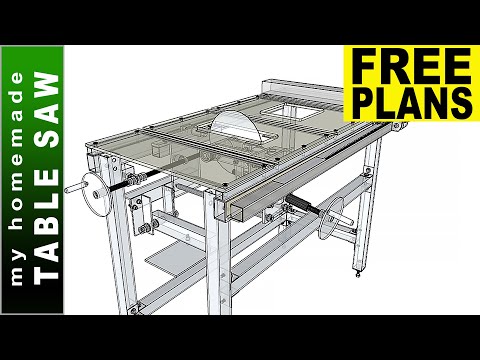
Woodworking plans are among the most popular search terms for builders and crafters. These plans cover everything from basic cutting boards and picture frames to intricate rocking chairs and dining tables. Quality woodworking DIY plans include precise measurements, wood species recommendations, and joinery techniques that ensure structural integrity.
- Furniture builds: benches, tables, bookcases, beds
- Decorative items: shelves, wall art, picture frames
- Practical storage: crates, bins, closet organizers
Home Improvement DIY Plans
Home improvement plans focus on renovations, repairs, and upgrades that add value to your living space. These projects range from installing floating shelves to building garden beds, and they often require tools like drills, saws, and levels. The best home improvement DIY plans include safety guidelines and code compliance notes, especially for electrical and plumbing-related tasks.
Garden and Outdoor DIY Plans
Outdoor projects have surged in popularity as more homeowners invest in their yards and patios. Garden DIY plans cover raised beds, pergolas, compost bins, birdhouses, and fire pits. These plans typically address weather-resistant materials, seasonal considerations, and landscaping integration.
How to Find the Best DIY Plans for Your Project
Finding high-quality DIY plans can feel overwhelming when you are staring at hundreds of options online. Here are practical strategies to ensure you choose plans that deliver real value.
Evaluate the Source
Look for plans published by trusted woodworking bloggers, established magazines, or verified community forums. Reputable sources often include detailed material lists, tool requirements, and estimated project timelines. Avoid plans that lack dimensions or skip critical steps, because they will waste your time and materials.
Match Plans to Your Skill Level
Every DIYer has a comfort zone, and that is perfectly fine. Beginners should look for plans labeled as beginner-friendly DIY projects with minimal tools and straightforward assembly. Intermediate builders can explore plans that introduce joinery techniques, angled cuts, or multi-step construction. Advanced plans typically involve complex designs, custom measurements, and professional-grade finishes.
Check for Visual Support
The best DIY plans include diagrams, exploded views, and step-by-step photographs. Visual references make understanding assembly sequences significantly easier, reducing confusion during the build process. Plans that only offer text instructions without illustrations often lead to errors and rework.
Beginner-Friendly DIY Plans to Start With
If you are new to hands-on building, starting with simple, well-documented plans builds confidence and foundational skills. Here are excellent entry-level projects that deliver satisfying results without overwhelming complexity.
- Floating Wall Shelves — Requires a saw, drill, and brackets. These plans teach basic measurement, cutting, and mounting techniques.
- Garden Tool Rack — A simple storage solution that introduces scrap wood usage and bracket installation.
- Birdhouse — A classic first project that covers basic cutting, gluing, nailing, and finishing.
- Wooden Cutting Board — Uses glue and clamps to create a beautiful, functional kitchen item with minimal tools.
Starting with these projects helps you develop muscle memory for measuring, sanding, and assembling before you move on to more ambitious builds.
Intermediate DIY Plans Worth Trying
Once you have completed a few straightforward projects, intermediate plans challenge you to refine your technique and expand your toolkit. These projects often involve more precision, multiple material types, and attention to aesthetic detail.
Recommended Intermediate Projects
- Bar Cart with Storage — Introduces dowel joinery, staining techniques, and mobile base design.
- Outdoor Bench with Armrests — Requires angled cuts, weather-resistant finishes, and seat slat spacing.
- Floating Desk — Combines wall-mount hardware knowledge with cable management and workspace ergonomics.
- Shed Build Kit — Involves framing, roofing, and door hanging skills that translate directly to larger construction.
Intermediate plans also encourage you to experiment with wood finishes, paint techniques, and hardware selection, all of which contribute to a professional-quality result.
Advanced DIY Plans for Experienced Builders
Advanced DIY plans are designed for builders who understand structural principles, possess professional-grade tools, and want to push their creative boundaries. These projects often take several days or even weeks to complete and require meticulous planning.
Examples of Advanced Builds
- Custom Dining Table with Live Edge — Invitates woodworking expertise, slab preparation, and epoxy river techniques.
- Gazebo or Pergola Construction — Requires post-setting, beam calculations, and weatherproofing strategies.
- Built-In Cabinetry and Shelving Systems — Demands precise measurements, rail-and-pinion joinery, and trim carpentry skills.
- Tiny House Frame and Exterior Build — Encompasses foundation work, framing, insulation, and exterior finishing.
Advanced builders often modify existing plans to suit their specific space, style preferences, or material availability. Customization at this level is where true craftsmanship shines.
Free vs. Paid DIY Plans: A Comparison
When searching for DIY plans, you will encounter both free and paid options. Understanding the differences helps you allocate your budget wisely and choose plans with the best return on investment.
| Feature | Free DIY Plans | Paid DIY Plans |
| Cost | No upfront investment | Typically $5–$30 per plan |
| Detail Level | Often simplified or incomplete | Usually includes full diagrams and cut lists |
| Material Lists | Sometimes missing or vague | Precise lumber, hardware, and finish lists |
| Support and Updates | Community forums vary | Email support, revisions, and bundles |
| Best For | Casual projects, trial builds | Quality furniture, serious builds |
Many experienced DIYers recommend purchasing plans for large-scale projects like furniture pieces or outdoor structures, while using free plans for smaller decorative items or practice builds. This hybrid approach maximizes both savings and quality.
Expert Tips for Successful DIY Planning
Even the best DIY plans can lead to trouble if executed carelessly. Here are expert recommendations that separate successful projects from frustrating ones.
- Read the entire plan before cutting anything. This one habit prevents costly mistakes and material waste.
- Pre-wet wood before measuring. Moisture content affects dimensions, especially with fresh lumber.
- Invest in quality tools. A sharp blade and a well-calibrated saw make every cut cleaner and safer.
- Always double-check measurements. The carpenter’s rule of thumb: measure twice, cut once — every single time.
- Sand progressively. Start with coarse grit and work toward fine grit for a smooth, professional finish.
- Document your build process. Photos and notes help you troubleshoot issues and replicate success in future projects.
Conclusion
DIY plans are the foundation of every successful hands-on project, from a simple wall shelf to a fully customized outdoor living space. By understanding what makes a plan effective, matching plans to your skill level, and following expert tips during execution, you can approach any project with the confidence of an experienced builder. The growing availability of free and premium plans online has never made it easier to start building, learning, and creating on your own terms. Whether your goal is saving money on home repairs, developing a new hobby, or designing custom pieces that reflect your personal style, the right DIY plan puts the power of creation directly in your hands.
Frequently Asked Questions
Where can I find reliable free DIY plans for woodworking projects?

Reputable websites, woodworking forums, and YouTube channels dedicated to home improvement often publish free DIY plans with detailed instructions and diagrams. Look for plans with user reviews and verified build photos to ensure reliability.
What tools do I need for beginner DIY plans?
Most beginner projects require a basic toolkit including a circular saw or hand saw, a power drill, a tape measure, sandpaper, clamps, and a level. As you progress to intermediate and advanced plans, you may need a miter saw, a router, and a jigsaw.
How do I customize a DIY plan to fit my specific space?
Start by measuring your available space carefully and noting any obstacles like outlets, vents, or trim. Then adjust the plan’s dimensions proportionally while maintaining the structural integrity of joints and connections. Always sketch your modifications before making cuts.
Are paid DIY plans worth the investment?
For large-scale projects, custom furniture builds, or anything requiring precise joinery, paid plans typically offer superior detail, material lists, and support compared to free options. They save money in the long run by reducing material waste and build errors.
What materials work best for outdoor DIY projects?
Cedar, redwood, pressure-treated pine, and marine-grade plywood are excellent choices for outdoor DIY plans because they resist moisture, insects, and weathering. Always apply a waterproof sealant or exterior-grade finish to extend the lifespan of any outdoor build.
How long does it typically take to complete a DIY project from a plan?
Completion time depends entirely on the complexity of the plan, your experience level, and the tools you have available. Simple projects like floating shelves or birdhouses can take a weekend, while advanced builds like pergolas or custom tables may require multiple days or even weeks of work.