


Creating a cute room theme is one of the most rewarding interior design projects you can tackle, whether you are decorating a child’s bedroom, a teen’s personal space, or even your own adult sanctuary. A well-chosen cute room theme transforms a plain, forgettable area into a visually captivating environment that sparks joy, inspires creativity, and reflects personality. But with so many adorable aesthetic styles available today — from kawaii-inspired palettes to whimsical woodland retreats — knowing where to start can feel overwhelming. This comprehensive guide walks you through everything you need to know about selecting, planning, and executing the perfect cute room theme for any space, regardless of your experience level. Let us dive in.
What Are Cute Room Themes and Why They Matter
A cute room theme refers to a cohesive interior design concept centered around soft colors, playful elements, charming decorative accents, and an overall aesthetic that feels warm, inviting, and visually delightful. Unlike stark minimalist designs or bold industrial styles, cute room themes prioritize comfort, whimsy, and emotional warmth. The goal is to craft a space that feels like a happy, safe haven — a place where you or your child genuinely loves spending time.
Why does this matter? Research in environmental psychology shows that the spaces we inhabit directly impact our mood, productivity, and emotional well-being. A thoughtfully designed cute room theme can reduce stress, boost creativity, and even improve sleep quality. For children and teenagers, a themed room that resonates with their interests fosters a sense of identity and belonging. For adults, embracing a kawaii or pastel aesthetic in a bedroom or home office can reignite a sense of playfulness that everyday routines often suppress.
Popular Cute Room Themes to Explore
The world of adorable interior design offers incredible variety. Below are some of the most trending and beloved cute room themes that you can adapt to suit any age, budget, or room size.

Pastel and Soft Aesthetic Themes
Pastel-themed rooms revolve around gentle hues like lavender, baby blue, soft pink, mint green, and creamy white. These color palettes create an airy, dreamy atmosphere that feels both calming and elegant. Key elements include:
- Sheer curtains in soft pastel tones
- Plush rugs with gradient color transitions
- Minimalist furniture in white or light wood finishes
- Decorative wall decals featuring clouds, stars, or florals
- LED string lights or warm-glow fairy lights
This style works beautifully in bedrooms, study rooms, and even living spaces. It appeals to those who prefer a refined yet playful look without overwhelming visual clutter.
Fantasy and Fairy Tale Themes
Fairy tale-inspired rooms transport you into a storybook world. Think enchanted forests, castle motifs, unicorn accents, and magical creature decor. Popular sub-themes include:
- Enchanted Forest Theme — featuring moss green walls, mushroom-shaped shelving, and woodland animal artwork.
- Princess Castle Theme — with canopy beds, crown-shaped decor, and shimmering curtains.
- Magical Creature Theme — centered around dragons, unicorns, phoenixes, and other mythical beings.
These themes are especially popular for children’s rooms and themed bedrooms for teens. They encourage imaginative play and create a truly immersive environment.
Animal and Nature-Inspired Themes
Animal-themed rooms bring the outdoors inside in the most adorable way possible. Popular choices include woodland foxes, forest bunnies, ocean creatures, pandas, cats, and even dinosaur motifs. Key design elements include:
- Wall murals or wallpaper featuring animal illustrations
- Bedding sets with animal prints or characters
- Animal-shaped storage baskets and shelving units
- Nature-inspired color schemes like earthy greens, ocean blues, and warm tans
These themes are incredibly versatile and age-friendly. A toddler might love a jungle safari room, while a teenager could gravitate toward a cozy cottage-core aesthetic featuring botanical prints and vintage animal illustrations.
Choosing the Right Cute Room Theme for Your Space
Selecting the ideal cute room theme requires considering several practical factors alongside your personal aesthetic preferences. Use this step-by-step approach to narrow your options.
Step 1: Assess the Room Size and Layout
Small rooms benefit from light, airy color schemes and minimal furniture to avoid feeling cramped. Larger rooms can accommodate bolder themes with more decorative elements, statement furniture pieces, and layered textures.
Step 2: Define the Occupant’s Personality
For children, involve them in the decision-making process. Ask about their favorite animals, colors, characters, and stories. For adult spaces, consider your personal interests, hobbies, and the mood you want the room to evoke.
Step 3: Set a Realistic Budget
Cute room themes can range from budget-friendly DIY projects to fully customized room makeovers. Prioritize high-impact, low-cost elements like wall art, bedding, and lighting before investing in larger furniture pieces.
Step 4: Build a Cohesive Color Palette
Choose two to three primary colors and one or two accent colors. Stick to this palette across all elements — walls, bedding, curtains, rugs, and decor — to maintain a polished, unified look.
Advanced Tips for Elevating Your Cute Room Theme
Once you have the basics in place, these expert strategies will take your cute room theme from adorable to absolutely stunning.
- Layer textures intentionally. Combine velvet, faux fur, knits, and smooth woods to add visual depth and tactile interest. A room that only uses flat surfaces feels flat; texture makes it inviting.
- Use themed lighting. A chandelier shaped like a mushroom, a star projector on the ceiling, or a lamp with a floral shade can become the room’s focal point and set the mood instantly.
- Incorporate DIY elements. Hand-painted canvas art, custom photo collages, or handmade crochet decorations add personal touches that mass-produced items cannot replicate.
- Create a feature wall. Dedicate one wall to a themed mural, wallpaper, or gallery of coordinated artwork. This anchors the entire room design and gives it a professional, intentional feel.
- Rotate seasonal accents. Swap out throw pillows, table decor, and wall hangings with the seasons to keep the room feeling fresh and current without a full redesign.
Comparison: Popular Cute Room Themes at a Glance
The table below compares four leading cute room themes across key criteria to help you make an informed decision.
| Theme | Best For | Color Palette | Budget Level | Difficulty | Longevity |
| Pastel Soft Aesthetic | Teen bedrooms, adult bedrooms, home offices | Lavender, mint, blush, cream | Low to Medium | Easy | High — timeless appeal |
| Fairy Tale Enchanted | Children’s rooms, creative spaces | Purple, gold, teal, rose | Medium to High | Moderate | Medium — evolves with age |
| Animal & Nature | All ages — toddlers to adults | Earth tones, forest greens, ocean blues | Low to Medium | Easy to Moderate | High — universally appealing |
| Kawaii & Japanese Aesthetic | Teens, young adults, creative studios | Pastels with pops of bright pink and white | Medium | Moderate | Medium — trend-driven |
Frequently Asked Questions About Cute Room Themes
What is the easiest cute room theme to DIY on a budget?
The pastel soft aesthetic is arguably the most beginner-friendly and budget-conscious option. You can achieve a stunning pastel room by painting one accent wall in a soft hue, adding inexpensive fairy lights, layering neutral bedding, and printing free downloadable wall art. Most people can complete a full pastel room makeover for under $200 using thrifted furniture and affordable decor from craft stores or online marketplaces.
How do I keep a cute room theme from looking childish as my child grows?
The key is choosing a flexible foundation. Neutral wall colors like soft white, warm beige, or light sage green serve as a timeless base that works for years. Add personality through removable wall decals, interchangeable bedding, and easily swapped accessories. As your child matures, you can upgrade their furniture and replace themed items with more mature versions of the same color palette, ensuring the room grows gracefully with them.
What are the best online resources for cute room theme inspiration?
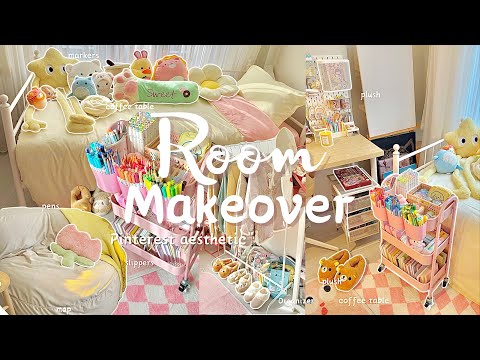
Pinterest remains the go-to platform for visual inspiration, but you should also explore Instagram hashtags like #cuteBedroomIdeas, #RoomThemeDecor, and #PastelAesthetic. Etsy offers thousands of affordable printable wall art and themed decor items. YouTube channels dedicated to room makeovers provide step-by-step tutorials that are invaluable for visual learners. For a more curated experience, interior design blogs like The Spruce and Apartment Therapy regularly feature themed room spotlights with detailed shopping guides.
Can I mix multiple cute room themes together?
Absolutely — and many of the most stunning rooms combine two or three complementary themes. The trick is maintaining a consistent color palette and choosing a dominant theme that occupies about 60 to 70 percent of the room. For example, you could blend a fairy tale theme (as the dominant aesthetic) with nature-inspired animal accents and pastel color tones for the secondary layer. Just be mindful not to over-clutter; selective mixing creates depth, while mixing too many themes creates visual chaos.
What lighting works best for a cute room theme?
Warm, soft lighting is essential for achieving the cozy, inviting atmosphere that defines cute room themes. LED string lights are a staple — drape them along headboards, window frames, or bookshelves. Paper lanterns in pastel colors, globe-style table lamps, and nightlights shaped like clouds or stars all contribute to the magical ambiance. Avoid harsh overhead lighting, which can instantly diminish the whimsical feel you have worked so hard to create.
Conclusion
A well-executed cute room theme is far more than just decorative whimsy — it is a powerful tool for shaping the emotional atmosphere of any space. Whether you are starting from scratch with a blank canvas or refreshing an existing room with new accents, the principles outlined in this guide give you a solid foundation for success. Start with a clear vision, choose a theme that resonates deeply with the room’s occupant, build around a cohesive color palette, and layer in textures, lighting, and personal touches that bring the design to life. The result will be a space that is not only beautiful but genuinely meaningful — a room that feels like it was designed with love and intention.