When it comes to transforming your living space, few investments deliver as much return as a thoughtfully executed bathroom and kitchen remodel. These two rooms are the functional hearts of any home — where daily routines unfold, entertaining happens, and lasting impressions are made. Whether you’re dealing with outdated fixtures, inefficient layouts, or simply craving a fresh aesthetic, professional bathroom and kitchen remodelers bring vision, craftsmanship, and project management expertise that turns dreams into reality. This comprehensive guide covers everything you need to know about hiring remodeling specialists, understanding costs, navigating timelines, and making decisions that elevate your home’s value and livability for decades to come.
What Do Bathroom and Kitchen Remodelers Actually Do?
Bathroom and kitchen remodelers are specialized contractors and design professionals who focus exclusively on residential renovation projects in two of the most high-traffic areas of a home. Their scope of work goes far beyond simply swapping out a faucet or repainting a wall. These professionals manage end-to-end renovation processes that can include structural changes, plumbing rerouting, electrical upgrades, cabinetry design and installation, countertop fabrication, tile and flooring work, lighting design, and custom millwork.
Unlike general handymen or broad-spectrum contractors, kitchen and bathroom renovation experts possess deep knowledge of moisture management, ventilation requirements, building codes specific to wet areas, and the interplay between aesthetics and functionality. They understand that a kitchen remodel isn’t just about beautiful countertops — it’s about creating an ergonomic workflow triangle between the sink, stove, and refrigerator. Similarly, bathroom remodeling demands expertise in waterproofing, tile slope drainage, and fixture placement that maximizes both comfort and safety.
Core Services Typically Offered by Remodelers
- Full bathroom gut-and-rebuild — removing all existing finishes and reconfiguring the space entirely
- Kitchen redesign and layout optimization — knocking down walls, relocating islands, or opening floor plans
- Cabinet refacing and custom cabinetry — updating the look without full replacement
- Countertop installation — granite, quartz, marble, or solid surface materials
- Tile and stone work — shower surrounds, backsplashes, flooring, and accent walls
- Plumbing and electrical upgrades — relocating fixtures, adding USB outlets, or installing tankless water heaters
- Accessibility and aging-in-place modifications — walk-in tubs, curbless showers, grab bars, and widened doorways
Why You Should Hire Professional Bathroom and Kitchen Remodelers
The temptation to tackle a kitchen or bathroom renovation as a DIY project is understandable — especially when you see social media transformations that seem surprisingly simple. But the reality is that professional home remodeling specialists protect your investment in ways that amateurs simply cannot. Licensed remodelers carry insurance that covers accidents on the job, pull necessary permits, and schedule inspections to ensure code compliance. A single plumbing mistake or improperly wired outlet can result in water damage, electrical fires, or liability that dwarfs the cost of hiring a professional from the start.
Experienced bathroom renovation experts and kitchen contractors also bring creative problem-solving to challenges you might not anticipate. Old homes often hide knob-and-tube wiring, galvanized pipes, or structural inconsistencies behind pristine drywall. Professionals know how to navigate these surprises without derailing the project timeline or budget.
Key Benefits of Working with Remodeling Professionals
- Project accountability — contracts define scope, materials, timelines, and payment milestones
- Access to trade networks — remodelers supply discounted materials through industry relationships
- Warranty protection — workmanship warranties give you recourse if something goes wrong
- Time efficiency — professional teams complete projects significantly faster than DIY efforts
- Increased home resale value — industry data shows kitchen and bathroom renovations yield the highest ROI among home improvements
Types of Bathroom and Kitchen Remodeling Projects
Not all renovations are created equal. The best cabinet installation and remodeling contractors offer tiered service levels to match different goals and budgets. Understanding these categories helps you set realistic expectations before signing any contract.
Cosmetic or Refresh Remodeling
This approach focuses on surface-level updates that dramatically change the look without structural changes. Think fresh paint, new cabinet hardware, updated light fixtures, regrouting tile, and replacing countertops while keeping the existing layout intact. Cosmetic remodels often cost between 10% and 30% of what a full renovation would run and can be completed in days rather than weeks.
Mid-Range Renovation
A kitchen transformation service at this level involves replacing major appliances, upgrading cabinetry, installing new flooring, updating plumbing fixtures, and potentially reconfiguring minor layout elements. This is the sweet spot for most homeowners because it balances investment with impact. According to the National Association of Home Builders, mid-range kitchen remodels average around $25,000 to $50,000, while bathroom mid-range remodels typically fall between $15,000 and $30,000.
High-End or Full Gut Renovation

For those seeking a truly transformative experience, full gut renovations involve demolishing walls, relocating plumbing and electrical systems, reconfiguring layouts for improved flow, and installing luxury finishes. Custom glass shower enclosures, chef-grade appliances, heated flooring, smart home integration, and architectural details define this tier. Costs can range from $75,000 to well over $200,000 depending on scope, materials, and geographic location.
How to Choose the Right Bathroom and Kitchen Remodelers
Selecting the right contractor is arguably the single most important decision in your entire renovation journey. A poor choice leads to stress, cost overruns, subpar craftsmanship, and damaged relationships with your home. Here’s a proven framework for vetting remodeling companies near me that appear in your search results.
- Verify licensing and insurance — Confirm state contractor license numbers and demand certificates of general liability and workers’ compensation insurance.
- Check specialized experience — Ask how many bathroom and kitchen projects they’ve completed in the past 12 months. A company doing fifty remodels annually typically outperforms one doing five.
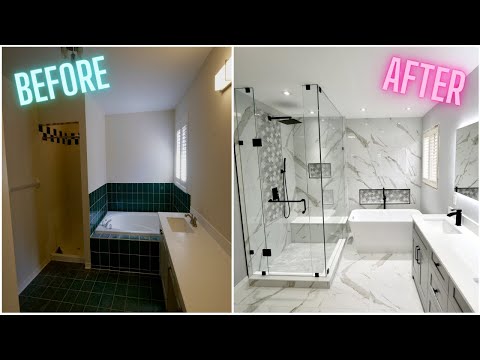
- Review portfolios and references — Request before-and-after photos of projects similar to yours and contact at least three past clients.
- Examine reviews across platforms — Google, Yelp, Houzz, and the Better Business Bureau all provide different perspectives on a company’s reliability.
- Get detailed written estimates — Bids should itemize labor, materials, permits, and timeline expectations. Vague proposals lead to change orders and frustration.
- Understand the payment schedule — Never pay more than 10-15% upfront. Standard practice ties payments to completed milestones.
Bathroom vs. Kitchen Remodeling: A Comparison
While both projects fall under the umbrella of residential renovation, bathroom and kitchen remodels differ significantly in complexity, typical costs, and common priorities. The table below outlines key distinctions that prospective homeowners should understand.
| Category | Bathroom Remodeling | Kitchen Remodeling |
| Average Mid-Range Cost | $15,000 – $30,000 | $25,000 – $50,000 |
| Primary Focus | Waterproofing, moisture control, fixture updates | Layout optimization, appliance upgrades, storage |
| Typical Duration | 2 – 4 weeks | 4 – 8 weeks |
| Most Common Materials | Ceramic/porcelain tile, quartz, acrylic bathtubs | Granite/quartz countertops, hardwood/quartz flooring |
| Biggest Cost Drivers | Plumbing relocation, tile work, custom vanities | Cabinetry, appliances, countertop material, island build |
| ROI at Resale | 60% – 70% | 55% – 65% |
Budgeting and Cost Considerations for Your Remodel
Understanding where your money goes during a bathroom and kitchen remodel helps you make informed trade-off decisions. Material costs typically account for 40-50% of the total project budget, while labor comprises 30-40%. The remaining 10-20% covers permits, inspections, dumpster rental, temporary accommodations if plumbing must be shut off, and contingency funds.
Smart homeowners build a 10-20% contingency into their budgets from the start. Renovations almost always uncover hidden issues — rotted subflooring behind tile, corroded pipes under sinks, or water-damaged drywall behind cabinets. Having reserves prevents these discoveries from becoming financial crises. Your chosen kitchen renovation contractors should transparently communicate where these surprises might arise based on the age and condition of your home.
Material selection profoundly impacts both cost and longevity. Choosing quartz over natural stone for countertops, for instance, reduces long-term maintenance while delivering a consistent aesthetic. Similarly, large-format porcelain tiles can mimic the look of expensive marble at a fraction of the cost while resisting stains and moisture far better. Discuss material alternatives openly with your remodeler — quality professionals will present options that balance beauty, durability, and budget alignment.
Current Trends in Bathroom and Kitchen Remodeling
The renovation industry evolves constantly, driven by changing lifestyles, technology, and design movements. In 2024 and beyond, several prominent trends are shaping how home remodeling specialists approach their projects:
- Spa-inspired bathrooms — Homeowners increasingly prioritize hotel-quality experiences with freestanding tubs, rain shower systems, heated floors, and dual vanities.
- Integrated technology — Touchless faucets, smart mirrors with built-in lighting and Bluetooth speakers, and IoT-connected appliances are becoming standard in premium remodels.
- Sustainable materials — Recycled glass countertops, bamboo flooring, low-VOC paints, and water-efficient fixtures reflect growing environmental consciousness.
- Warm, organic palettes — Stark white kitchens are giving way to warm neutrals, sage greens, terracotta accents, and natural wood textures.
- Multi-functional kitchen islands — Islands now serve as workspaces, dining areas, homework stations, and entertainment hubs with integrated charging ports and built-in appliances.
- Accessibility-first design — Curbless showers, lever handles, and open-floor layouts accommodate multi-generational households and aging homeowners who wish to remain in place.
The Step-by-Step Remodeling Process
Professional bathroom and kitchen remodelers follow a structured process that keeps projects on track and minimizes surprises. Understanding this sequence helps you prepare for each phase:
- Consultation and design planning — Your remodeler visits the site, measures dimensions, discusses goals, and develops preliminary sketches or 3D renderings.
- Permitting and engineering — If structural, plumbing, or electrical changes are needed, permits are submitted and approved by local building authorities.
- Material selection and procurement — Countertops are templated, cabinetry is ordered, fixtures are specified, and tile or flooring choices are finalized.
- Demolition — Existing fixtures, cabinetry, tile, and non-load-bearing walls are carefully removed, and debris is hauled away.
- Structural and rough-in work — Framing changes, new plumbing lines, electrical rewiring, and subfloor repairs are completed before walls close up.
- Inspections — Municipal inspectors verify that rough-in work meets code before drywall and finish materials are installed.
- Finish installation — Drywall, paint, tile, cabinetry, countertops, fixtures, and hardware are installed in a carefully sequenced order.
- Final detailing and walkthrough — The remodeler addresses punch list items, cleans the work area, and walks you through every feature operationally.
Common Mistakes to Avoid When Hiring Remodelers
Even well-intentioned homeowners stumble during the contracting process. Avoiding these frequent pitfalls protects both your budget and your peace of mind:
- Choosing based solely on the lowest bid — Significantly underpriced proposals often signal either inexperience or a plan to recoup costs through excessive change orders.
- Skipping the written contract — Verbal agreements are nearly impossible to enforce. Every scope detail, material specification, and deadline should exist in writing.
- Ignoring local building codes — Unpermitted work creates catastrophic problems during resale when inspectors require disclosure of unpermitted renovations.
- Over-customizing for personal taste — While your bathroom should reflect your style, overly unique fixtures or bold tile choices can limit your home’s buyer appeal.
- Neglecting ventilation planning — Poor bathroom ventilation leads to mold growth that undermines even the most beautifully executed remodel.
Conclusion
Investing in professional bathroom and kitchen remodelers is one of the most strategically sound home improvement decisions you can make. These spaces command the most daily interaction in any household, and their condition directly influences your quality of life and home market value. By understanding the types of projects available, knowing how to evaluate and select qualified contractors, budgeting wisely, and following a structured renovation process, you position yourself for a transformative experience that exceeds expectations. Take your time researching, ask penetrating questions during contractor interviews, and never rush the decision. The right remodeling team will feel like a true partner — guiding you from inspiration through completion with professionalism, creativity, and unwavering attention to detail.
Frequently Asked Questions About Bathroom and Kitchen Remodelers
1. How long does a typical bathroom or kitchen remodel take to complete?
Most bathroom remodels take between two and four weeks from demolition to final walkthrough, while kitchen renovations generally require four to eight weeks depending on complexity. Projects involving structural wall removal, significant plumbing relocation, or custom millwork naturally extend toward the upper end of those ranges. Unforeseen discoveries behind existing surfaces can also add time, which is why experienced bathroom and kitchen remodelers always build buffer into their scheduling.
2. Do I need a permit for my kitchen or bathroom renovation?
Any project involving structural changes, electrical circuit modifications, or plumbing rerouting typically requires a building permit. Cosmetic refreshes that don’t alter systems generally don’t. However, choosing to skip permits creates serious resale complications. Reputable home remodeling specialists will advise you honestly about permit requirements rather than suggesting shortcuts that jeopardize your property’s legal standing.
3. What is the average cost per square foot for a kitchen or bathroom remodel?
Kitchen remodels generally range from $150 to $350 per square foot at the mid-range level, while high-end projects can exceed $500 per square foot. Bathroom remodels typically cost between $200 and $500 per square foot, with luxury projects reaching $700 or more. These figures vary significantly based on geographic location, material choices, and the extent of structural work required by your kitchen renovation contractors.
4. How do I know if a remodeling company is legitimate and trustworthy?
Verify their state contractor license number through your state’s licensing board website, confirm active insurance coverage directly with the insurer, request and contact at least three recent references, and check consistent positive reviews across multiple platforms. A trustworthy company provides detailed written estimates, maintains a physical business address, and carries proper workers’ compensation and general liability policies. If any of these verification steps fail, consider it a serious red flag.
5. Can I stay in my home during a bathroom or kitchen renovation?
In many cases, yes — but it depends on the project scope. If the kitchen is the only area being renovated, you can typically remain with temporary setups for cooking and dining. Bathroom projects may require temporary use of another bathroom in the home. When both rooms are being remodeled simultaneously, some homeowners choose temporary relocation during the most disruptive phases. Discuss living arrangements openly with your remodeling specialists during the planning phase so everyone is prepared.
6. What financing options are available for home remodeling projects?
Common financing paths include home equity loans, home equity lines of credit (HELOCs), personal loans, contractor-specific financing programs with monthly payment plans, and cash savings. Each option carries different interest rates, repayment terms, and qualification requirements. Many established bathroom renovation experts and kitchen remodeling firms partner with financing companies like Hearth, GreenSky, or MicroCorp to offer their clients competitive rate options directly at the point of sale.