


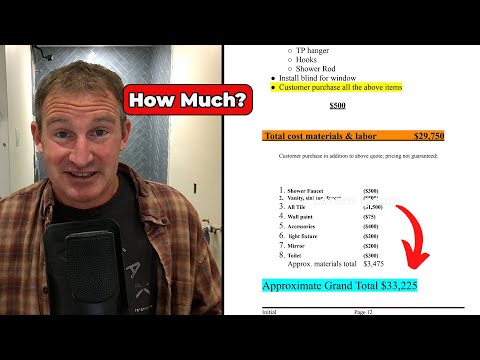
If you have been searching for a bath remodel cost estimator, you already know that budgeting for a bathroom renovation can feel overwhelming. Whether you are planning a simple cosmetic facelift or a full gut renovation, understanding the cost landscape before you break ground is essential. A bathroom remodel cost estimator helps homeowners, contractors, and DIY enthusiasts forecast expenses with surprising accuracy. In this guide, we will walk you through everything you need to know about estimating bathroom renovation costs, the factors that shift the numbers, and how to choose the right estimator tool for your project. This is your comprehensive resource for getting realistic, actionable numbers you can actually trust.
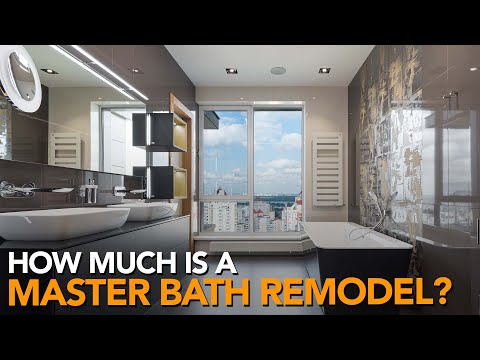
What Is a Bathroom Remodel Cost Estimator?
A bathroom remodel cost estimator is a digital tool or manual calculation framework that helps you project the total cost of renovating a bathroom. These estimators account for materials, labor, fixtures, permits, and unexpected overages. Instead of guessing or relying on vague ballpark figures, a reliable cost estimator breaks down each component so you can plan your budget with confidence. Many homeowners search for terms like “bathroom renovation cost calculator,” “bathroom remodel pricing tool,” or “shower tile and fixture cost estimator” when looking for this type of resource. The best estimators go beyond surface-level averages and factor in your specific location, bathroom size, material grade, and scope of work.
Modern online estimators integrate regional labor rates, current material pricing, and typical permit fees into a single dashboard. This makes them invaluable during the early planning stages of any bathroom improvement project. Whether you are a first-time homeowner or a seasoned contractor, understanding how these tools work puts you in a much stronger negotiating position with suppliers and tradespeople.
Why You Need a Bath Remodel Cost Estimator
Without a proper cost estimation strategy, bathroom projects frequently spiral over budget. Here is why using a dedicated estimator is not optional — it is essential.
- Prevents budget blowouts: Most bathroom renovations encounter surprise costs. An estimator helps you set aside a contingency fund of 10 to 20 percent for the unexpected.
- Supports smart decision-making: When you see how luxury marble floors compare to ceramic tile in real dollar terms, you can prioritize upgrades that matter most.
- Streamlines contractor conversations: Walking into a meeting with a contractor armed with your own estimated numbers shows professionalism and protects you from inflated quotes.
- Speeds up permitting: Some municipalities require cost estimates before approving renovation permits, especially for structural or plumbing changes.
Think of a bathroom remodel cost estimator as your financial blueprint. Just as you would not build a deck without a plan, you should not tear into a bathroom without understanding what every component will cost.
Key Factors That Influence Bathroom Renovation Costs
Not every bathroom remodel carries the same price tag. Several dynamic variables shift the final number, and any quality estimator will let you adjust these inputs to match your reality.
Bathroom Size and Layout Complexity
The square footage of your bathroom is the most obvious cost driver. A compact half-bath under 30 square feet costs significantly less than a spacious master suite exceeding 100 square feet. Layout complexity matters just as much — moving plumbing walls, relocating drains, or expanding the footprint adds engineering and labor expenses that a basic estimator might not fully capture.
Material Quality and Style Choices
Your selection of tiles, countertops, vanities, and fixtures can swing costs by hundreds or even thousands of dollars. Porcelain tile typically runs between $5 and $15 per square foot installed, while natural stone can exceed $30 per square foot. Similarly, opting for a walk-in tile shower instead of a prefabricated unit fundamentally changes the cost structure. A sophisticated estimator lets you toggle between economy, mid-range, and premium material tiers.
Labor Costs by Region
Labor rates vary dramatically depending on where you live. A bathroom remodel in New York City may cost two to three times what the same project costs in a mid-sized Midwestern city. Geographic labor data is one of the most valuable inputs in any reputable cost estimation tool.
Plumbing, Electrical, and Structural Work
If your renovation involves rerouting water supply lines, upgrading electrical circuits for new ventilation or lighting, or reinforcing subfloor structures, the estimator must account for specialized tradespeople. These line items often surprise homeowners who assume a cosmetic refresh will stay in the cosmetic range.
How to Use a Bath Remodel Cost Estimator Effectively
Simply entering your bathroom’s square footage is not enough. To get estimates that actually reflect reality, follow these steps:
- Measure your bathroom precisely: Include length, width, ceiling height, and the rough dimensions of each wall where tile, paint, or paneling will change.
- List every fixture and feature: Note your toilet, sink, vanity, shower, tub, faucet brands, towel bars, lighting fixtures, and any custom elements like niches or benches.
- Choose your quality tier: Decide whether you are targeting budget-friendly, mid-range, or luxury finishes. Each tier carries different cost-per-square-foot benchmarks.
- Input your ZIP code or city: This allows the estimator to pull localized labor rates and permit fee averages.
- Add a contingency buffer: Always build in a 15 percent buffer for surprises behind the walls, especially in homes older than 20 years.
- Review and compare: Cross-reference your estimate with at least two other estimator tools or contractor quotes to validate the range.
Following this structured approach transforms a generic number into a project-specific budget that you can defend and refine as quotes come in.
Average Bathroom Remodel Costs by Project Scope
To give you a baseline, here is a comparison of typical bathroom remodel cost ranges based on project scope. Keep in mind that these figures are national averages and will shift based on your location and specific choices.
| Project Scope | Average Cost Range | Typical Timeline |
| Minor cosmetic refresh (paint, hardware, lighting) | $1,000 – $3,500 | 1–3 days |
| Mid-range remodel (new vanity, fixtures, tile) | $6,000 – $15,000 | 2–4 weeks |
| Full gut renovation (layout change, plumbing, luxury finishes) | $15,000 – $45,000+ | 4–8 weeks |
| Luxury spa bathroom (custom tile, steam shower, smart features) | $45,000 – $80,000+ | 6–12 weeks |
As you can see, the difference between a minor refresh and a luxury spa build is dramatic. A bath remodel cost estimator helps you identify exactly where your project falls on this spectrum and which line items are driving the cost up or down.
Breakdown of Bathroom Remodel Expenses
A detailed cost breakdown reveals where your money actually goes. Understanding these categories empowers you to allocate funds strategically.

- Labor (typically 40–50% of total cost): Includes plumbers, electricians, tilers, drywall specialists, and general contractors.
- Fixtures and faucets (10–15%): Toilets, sinks, showerheads, and bathtubs vary wildly in price depending on brand and style.
- Tile and flooring (10–20%): Material choice and installation complexity determine this line item.
- Vanities and cabinetry (10–15%): Custom vanities cost more than prefabricated options but offer superior storage and aesthetics.
- Permits and inspections (2–5%): Often overlooked, but required for any structural or plumbing alteration in most jurisdictions.
- Contingency (10–20%): Always reserve this for hidden damage, supply delays, or design changes mid-project.
When you plug these percentages into a bathroom remodel cost calculator, the numbers become much more meaningful. You stop seeing one lump sum and start understanding the anatomy of your budget.
Tips to Save Money on Your Bathroom Remodel
Even with a well-planned budget, there are smart strategies to keep costs under control without sacrificing quality.
- Keep the plumbing footprint unchanged: Relocating drains and supply lines is one of the most expensive aspects of any remodel. Working with your existing layout saves thousands.
- Choose porcelain over natural stone: Porcelain tile delivers the look of premium materials at a fraction of the cost and is far more durable in wet environments.
- Shop during off-peak seasons: Contractors and suppliers often offer better pricing during slower construction months, typically late fall and winter.
- Reuse what is functional: If your bathtub is in good condition, refinishing costs a fraction of replacement. The same applies to intact vanities and cabinets.
- Get three detailed quotes: Never accept the first contractor estimate. Compare itemized bids to identify fair pricing versus inflated charges.
- Use a cost estimator before purchasing materials: Lock in your budget first, then select products that fit within those parameters rather than the reverse.
Frequently Asked Questions
How accurate is a bathroom remodel cost estimator?
A well-configured bathroom remodel cost estimator can provide estimates within 10 to 15 percent of the final cost, provided you input accurate measurements, material preferences, and your local labor market. The key is entering as much detail as possible and updating the estimate as your design evolves. Generic national averages are useful starting points but should never be your sole budgeting reference.
What is the average cost to remodel a 5×7 bathroom?
A 5×7 bathroom (approximately 35 square feet) typically falls into the mid-range renovation category. Most homeowners spend between $6,000 and $15,000 for a comprehensive remodel that includes new fixtures, tile flooring, a vanity upgrade, and fresh paint. The final number depends heavily on whether you are moving plumbing, upgrading to luxury materials, or keeping changes purely cosmetic.
Can a bath remodel cost estimator account for permit fees?
Yes, many advanced estimators include regional permit fee data based on your ZIP code or city. These fees typically range from $50 to $500 depending on the scope of work and local regulations. Always verify permit requirements with your local building department, as some municipalities require separate permits for plumbing, electrical, and structural work even within a single renovation.
How much does it cost to move plumbing during a bathroom remodel?
Relocating plumbing in a bathroom can add anywhere from $1,500 to $8,000 to your total project cost, depending on how far pipes need to travel and whether you are opening walls or floors to access existing lines. A professional cost estimator will factor this in automatically when you indicate a layout change, which is why inputting accurate renovation scope details is so important.
Should I hire a contractor or DIY my bathroom remodel?
This depends on your skill level and the scope of work. Cosmetic updates like repainting, installing new hardware, and replacing a showerhead are very DIY-friendly and can save you significant labor costs. However, any project involving plumbing rerouting, electrical work, or tile installation that requires waterproofing expertise is best left to licensed professionals. Using a bath remodel cost estimator helps you compare DIY savings against the risk of costly mistakes that could negate those savings.
How long does a bathroom remodel typically take?
A minor cosmetic refresh can be completed in one to three days. A mid-range remodel involving new fixtures, tile, and vanity installation typically takes two to four weeks. A full gut renovation that includes layout changes, plumbing relocation, and custom installations may require four to eight weeks or longer. Always build buffer time into your project schedule, as supply delays and unforeseen structural issues are common in older homes.
Conclusion
A bath remodel cost estimator is one of the most powerful tools in your renovation toolkit. It transforms an intimidating, often unpredictable process into a structured, data-driven plan. By understanding the factors that influence costs — from bathroom size and material quality to regional labor rates and plumbing complexity — you enter every conversation with contractors and suppliers prepared and confident. Use the estimator to build your budget, validate contractor quotes, and make informed trade-offs between aesthetics and affordability. The goal is not simply to spend less but to spend wisely, ensuring every dollar delivers the bathroom transformation you envisioned. Start your estimate today, and take the first step toward a remodel that is both beautiful and financially sound.