Bathroom design is one of the most impactful home improvement decisions you can make, yet it remains one of the most overlooked renovation projects for homeowners and renters alike. Whether you are planning a compact powder room makeover or a luxurious master bathroom redesign, understanding the principles behind effective bathroom design can save you thousands of dollars, countless hours of frustration, and the regret of a space that simply does not work for your lifestyle. A well-designed bathroom combines functionality, aesthetics, and personalization into a single, cohesive environment where form meets purpose. This comprehensive guide dives deep into every aspect of bathroom interior design, offering beginner-friendly foundations, intermediate planning strategies, and advanced techniques that professional designers swear by. From selecting the right fixtures and finishes to mastering spatial flow and lighting layers, you will find everything you need to transform your bathroom into the sanctuary it deserves to be.
Understanding Bathroom Design Fundamentals
Before you start shopping for tiles or browsing bathroom design magazines, it is essential to understand what makes a bathroom truly functional and visually appealing. The fundamentals of bathroom design rest on three core pillars: layout efficiency, material selection, and aesthetic cohesion. Every successful bathroom interior design project begins with a clear vision of how the space will be used daily, by whom, and what features matter most.

Key Elements of a Well-Designed Bathroom
Great bathroom design does not happen by accident. It results from intentional decisions about every element within the room. Consider these foundational components when planning your next renovation:
- Plumbing and plumbing layout: The position of your toilet, sink, and shower or bathtub determines the entire spatial arrangement of your bathroom design.
- Ventilation and moisture management: Proper airflow prevents mold, protects finishes, and maintains air quality inside the bathroom.
- Lighting design: Layered lighting combining ambient, task, and accent sources creates both functionality and atmosphere.
- Flooring and waterproofing: Choose slip-resistant, water-resistant materials that can withstand humidity and daily use.
- Storage solutions: Built-in niches, vanity cabinets, and open shelving keep the bathroom organized without sacrificing style.
- Fixture selection: From faucets to showerheads, every fixture should balance performance, durability, and visual harmony.
Popular Bathroom Design Styles and Current Trends
The world of bathroom design spans a wide spectrum of styles, each offering a distinct personality and atmosphere. Understanding these styles helps you narrow your vision and communicate your preferences clearly to contractors, designers, or even when shopping for bathroom renovation products online. Below are the most sought-after bathroom design aesthetics that continue to dominate both residential and commercial interiors today.
Minimalist Bathroom Design
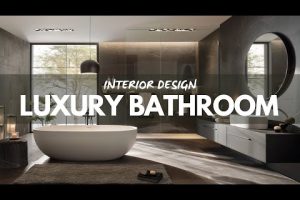
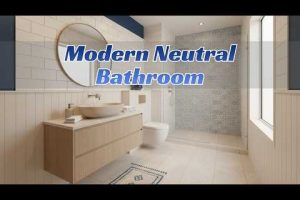
Clean lines, neutral color palettes, and uncluttered surfaces define the minimalist bathroom design approach. This style emphasizes negative space, hidden storage, and high-quality materials like concrete, natural stone, and matte black fixtures. Minimalist bathroom interiors focus on what removes rather than what adds, creating a serene, spa-like retreat.
Modern Farmhouse and Rustic Styles

Rustic bathroom design brings warmth through natural wood elements, exposed beams, vintage-inspired fixtures, and earthy tones like warm whites, sage greens, and terracotta. Modern farmhouse bathroom aesthetics blend these traditional textures with contemporary hardware and sleek surfaces, creating a style that feels both cozy and current.
Industrial and Contemporary Bathroom Design
Industrial bathroom design draws inspiration from converted lofts and urban spaces, featuring exposed brick, metal piping, concrete floors, and large-format tile walls. Contemporary bathroom design pushes further into bold geometrics, statement wallpaper, freestanding soak tubs, and frameless glass enclosures that make a dramatic visual statement.
Bathroom Layout and Space Planning Guide
Layout is arguably the most critical decision in any bathroom design project. The spatial arrangement dictates functionality, accessibility, and even the perceived size of the room. Whether your bathroom measures 30 square feet or over 200 square feet, smart planning makes all the difference.
Small Bathroom Design Solutions
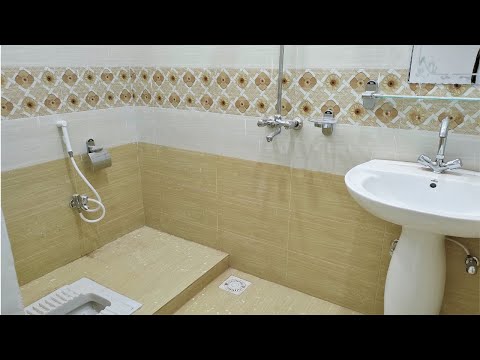
When working with limited square footage, every inch of your bathroom design counts. Small bathroom layouts benefit enormously from wall-hung toilets, corner sinks, sliding glass shower doors, and recessed medicine cabinets that free up valuable floor space. Consider these proven strategies:
- Use large-format tiles to reduce grout lines and create an expansive visual effect.
- Install a glass shower enclosure with an unobstructed threshold to eliminate visual barriers.
- Choose a frameless mirror that bounces light and makes the room feel larger.
- Opt for a pocket door or a sliding barn door to preserve floor and wall space.
- Stick to a light color palette with consistent tones across surfaces.
Large Bathroom Design Strategies
A spacious bathroom opens up opportunities for luxury features such as dual vanities, freestanding soaking tubs, walk-in rain showers with multiple body jets, heated flooring systems, and separate bath and shower zones. Large bathroom designs also allow for creative statement pieces like naturally lit skylights, accent wall textures, and custom tile mosaics that become focal points of the entire room.
Comparing Bathroom Design Styles at a Glance
Choosing between different bathroom design directions can be overwhelming. The comparison table below highlights key characteristics, ideal use cases, and average cost considerations for each style.
| Style | Key Features | Best Suited For | Average Cost Range |
| Minimalist | Neutral palette, hidden storage, clean lines | Small spaces, modern homes, low-maintenance living | Moderate |
| Modern Farmhouse | Wood accents, vintage fixtures, warm earth tones | Suburban homes, family bathrooms, cozy aesthetics | Moderate to High |
| Industrial | Exposed brick, metal finishes, concrete surfaces | Urban lofts, open-concept layouts, bold personalities | Moderate |
| Contemporary Luxury | Statement fixtures, large tiles, frameless glass | Master suites, high-end renovations, designer homes | High |
| Rustic | Natural stone, vintage hardware, organic textures | Cabin-style homes, cottage bathrooms, character-focused remodels | Moderate |
Expert Tips for Bathroom Renovation and Design Success
Even the most beautifully conceived bathroom design can fall short if execution does not match the vision. Professional interior designers and experienced contractors recommend these practical tips to ensure your bathroom renovation delivers lasting results:
- Start with a detailed floor plan before purchasing any materials. Accurate measurements prevent costly redesigns and ensure fixtures fit properly within the available space.
- Invest in waterproofing during the planning phase. Failure to properly seal shower walls, floor membranes, and subflooring leads to expensive water damage repairs down the road.
- Select fixtures early and build around them. Your chosen toilet rough-in dimensions, vanity size, and shower unit measurements should drive the layout decisions, not the other way around.
- Prioritize ventilation design from the start. Installing a properly sized exhaust fan with a timer or humidity sensor protects your investment and maintains air quality.
- Use a mix of lighting sources at different heights. Recessed ceiling lights, vanity sconces, and niche lighting create depth and eliminate harsh shadows, especially in grooming areas.
- Do not underestimate the power of hardware and accessories. Toilet paper holders, towel racks, and faucet finishes contribute significantly to the overall cohesion of your bathroom interior design.
- Plan for future maintenance. Choose grout sealants, caulk types, and finish coatings that are easy to clean and replace when the time comes.
Bathroom Design FAQs
What are the latest bathroom design trends for 2025?
Current bathroom design trends lean heavily toward biophilic elements, such as natural stone, living plant accents, and earthy organic color palettes. Additionally, smart bathroom technology—including touchless faucets, LED-lit mirrors with built-in Bluetooth speakers, and thermostatic shower systems—continues to gain popularity among homeowners looking to blend luxury with everyday convenience.
How do I choose the right bathroom tile design for my space?
Selecting the right bathroom tile design depends on your room size, lighting conditions, and personal style. Large-format tiles in lighter tones work best for small bathrooms, while smaller mosaic tiles or bold patterned designs can add visual interest to larger spaces. Always ensure your chosen tiles have an appropriate slip-resistance rating for wet areas.
What is the most cost-effective way to modernize a bathroom design?
The fastest and most budget-friendly approach to modernizing a bathroom design involves repainting walls with a fresh, contemporary color, upgrading cabinet hardware and fixtures, replacing outdated lighting with modern LED alternatives, and refreshing the flooring with peel-and-stick vinyl or newly grouted existing tile.
How far in advance should I plan a bathroom renovation project?
Most professional bathroom renovation projects require between four and eight weeks of planning before construction begins. This timeline allows for finalizing the bathroom layout, obtaining permits if required, ordering custom fixtures or special-order materials, and coordinating schedules with contractors and suppliers.
Can I design a bathroom myself, or should I hire a professional designer?
Simple bathroom refreshes involving paint, fixtures, and accessories are excellent DIY projects. However, any renovation involving plumbing relocation, structural changes, or complex waterproofing should involve a licensed professional. For ambitious layouts or high-end finishes, hiring a bathroom designer ensures your vision translates accurately from concept to finished space.
Conclusion
Bathroom design is far more than selecting tiles and fixtures—it is an opportunity to craft a personal retreat that enhances your daily routine and adds tangible value to your home. By understanding the foundational principles of layout, material selection, and stylistic direction, you can approach any bathroom renovation project with confidence and clarity. Whether you gravitate toward the clean restraint of minimalist bathroom design, the warm charm of rustic aesthetics, or the bold sophistication of contemporary luxury, the key lies in balancing personal taste with practical function. Use this guide as your roadmap, trust the process, and never compromise on waterproofing and ventilation. Your dream bathroom is closer than you think, and with the right design strategy, it will be a space you genuinely enjoy every single day.