


Creating a thriving backyard garden is one of the most rewarding investments you can make for your home, your health, and your overall quality of life. Whether you are a first-time gardener with a modest patch of grass or a seasoned grower looking to transform a large outdoor space into a productive landscape, the right approach to backyard gardening can yield astonishing results. A well-planned backyard garden does more than just beautify your property — it provides fresh produce, supports local pollinators, reduces stress, and creates a personal retreat just steps from your back door. In this comprehensive guide, we will walk through every phase of designing, building, and maintaining a backyard garden that thrives across seasons. From choosing the ideal garden layout and selecting the best plants for your climate zone, to mastering soil health and organic pest management, this article covers beginner essentials, intermediate techniques, and advanced strategies that will help you cultivate a space you can enjoy year after year.
What Is a Backyard Garden and Why Should You Start One?

A backyard garden refers to any cultivated outdoor space located behind a home, used for growing plants, vegetables, herbs, fruits, or ornamental flowers. Unlike formal landscapes or purely decorative yards, a backyard garden intentionally blends aesthetics with function. The beauty of backyard gardening is its versatility — you can start small with a few raised beds, or expand into a full-scale edible landscape that rivals a market farm.
Research consistently shows that people who engage in home gardening experience lower stress levels, increased physical activity, and greater access to nutrient-dense food. Beyond personal health benefits, a backyard garden contributes to biodiversity, reduces your carbon footprint by cutting food transportation miles, and can even increase your property value by enhancing curb appeal.
Planning Your Backyard Garden: Layout and Design Strategies
Choosing the Right Location in Your Yard
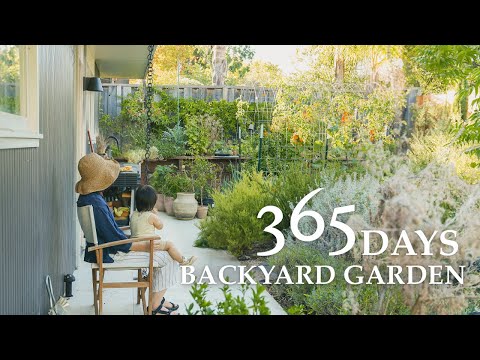
The single most important decision in backyard garden design is placement. Most vegetable crops and flowering plants require at least six to eight hours of direct sunlight per day, so observe your yard throughout the day before committing to a location. Pay attention to how shadows shift during morning and afternoon light, and avoid low-lying areas where water tends to pool after rain.
Proximity to a water source matters enormously. If your garden beds are far from a hose or irrigation line, consistent watering becomes a daily chore rather than a simple routine. Aim to position your backyard garden within easy reach of a spigot or consider installing a drip irrigation system for efficient water delivery.
Garden Styles for Different Backyard Sizes
Not every backyard garden looks the same, and your layout should reflect the space you have available. Here are the most popular styles:
- Raised Bed Gardens: Ideal for small to medium backyards with poor native soil. Raised beds offer excellent drainage, reduce weed pressure, and allow precise control over soil composition.
- In-Ground Plots: Best for larger yards with decent existing soil. These traditional gardens offer the most flexibility for expansion and deep root development.
- Square Foot Gardening: A compact, highly organized method where each square foot of a grid is planted with a specific number of crops, maximizing yield in minimal space.
- Container and Patio Gardens: Perfect for urban backyards, balconies, or patios. Grow tomatoes, peppers, and herbs in pots, buckets, or vertical planters.
- Permaculture and Food Forest Style: An advanced approach that layers trees, shrubs, ground cover, and root crops to mimic natural ecosystems and create self-sustaining garden systems.
Best Plants and Crops for Backyard Gardens
Vegetables and Herbs for Beginners
If you are just starting out, choose crops that are forgiving, fast-growing, and naturally resistant to common pests. Tomatoes, lettuce, radishes, zucchini, basil, and green beans are excellent starter plants because they produce reliable harvests with relatively little maintenance. These beginner-friendly crops also provide quick wins that build confidence and keep new gardeners motivated through the growing season.
Herbs like rosemary, mint, cilantro, and chives are incredibly easy to grow and serve double duty as culinary ingredients and natural pest deterrents. Plant mint in a container rather than directly in the ground, as it spreads aggressively and can overwhelm other plants in your backyard garden beds.
Advanced Planting: Fruits, Perennials, and Specialty Crops
Once you have mastered the basics, you can explore more ambitious plantings. Asparagus, rhubarb, artichokes, and berry bushes like blueberries and raspberries are perennial investments that return year after year with proper care. Fruit trees such as dwarf apple, fig, and lemon varieties thrive in backyard gardens when given adequate space and sunlight. For intermediate and advanced growers, consider incorporating companion planting strategies, crop rotation systems, and succession planting techniques to extend your harvest window and improve soil fertility naturally.
Soil Preparation, Composting, and Fertilization
Healthy soil is the foundation of any productive backyard garden. Before planting anything, invest time in understanding your soil type — whether it is heavy clay, sandy loam, or compacted rocky earth. A simple home soil test kit can reveal pH levels, nutrient deficiencies, and organic matter content, giving you the data needed to make informed amendments.
Composting is arguably the most impactful practice you can adopt for backyard garden success. A well-maintained compost pile transforms kitchen scraps, yard waste, and shredded paper into rich, dark humus that dramatically improves soil structure, water retention, and microbial activity. Apply finished compost at the beginning of each growing season, mixing it into the top six to eight inches of your garden beds.
For organic fertilization, consider worm castings, fish emulsion, bone meal, and seaweed extract. These natural amendments feed the soil ecosystem rather than simply delivering isolated nutrients, which creates a healthier, more resilient growing environment for your plants.
Backyard Garden Maintenance: Watering, Weeding, and Pest Control
Watering Best Practices
Consistent watering is critical, especially during hot summer months. Most backyard garden crops need about one inch of water per week, delivered deeply rather than frequently shallow sprinkles. Deep watering encourages roots to grow downward, making plants more drought-resistant and stable. Early morning is the ideal time to water, as it reduces evaporation and gives foliage time to dry before evening, which helps prevent fungal diseases.
Organic Pest Management
Rather than relying on synthetic pesticides, experienced backyard gardeners use integrated pest management strategies. Encourage beneficial insects like ladybugs, lacewings, and parasitic wasps by planting nectar-rich flowers such as marigolds, zinnias, and dill. Physical barriers like row covers protect vulnerable crops without chemicals. Hand-picking larger pests like caterpillars and slugs remains one of the most effective and immediate control methods.
Neem oil, insecticidal soap, and diatomaceous earth are three widely used organic options that target specific pests while minimizing harm to pollinators and the broader garden ecosystem.
Seasonal Backyard Garden Calendar
Timing is everything in backyard gardening. A seasonal calendar helps you stay organized and ensures you are sowing, transplanting, and harvesting at the optimal moments for your climate zone.

| Season | Key Tasks | Recommended Crops |
| Early Spring | Soil preparation, compost application, cool-season seed sowing | Lettuce, spinach, peas, radishes, kale |
| Late Spring | Transplant warm-season seedlings, mulch beds, set up supports | Tomatoes, peppers, cucumbers, beans, squash |
| Summer | Consistent watering, pest monitoring, succession planting | Corn, eggplant, herbs, second-round beans |
| Fall | Harvest remaining crops, plant cover crops, add compost | Garlic, carrots, turnips, broccoli, cauliflower |
| Winter | Plan next year’s layout, order seeds, maintain tools and equipment | Indoor herb starts, garden journaling, soil testing |
Expert Tips for a More Productive Backyard Garden
- Mulch generously. A three-inch layer of organic mulch — such as straw, wood chips, or shredded leaves — suppresses weeds, retains soil moisture, and regulates temperature fluctuations. Mulching is one of the simplest yet most impactful things you can do for your backyard garden beds.
- Keep a garden journal. Track what you planted, when you planted it, pest issues you encountered, and your harvest yields. Over time, this record becomes an invaluable resource that helps you refine your strategies each season.
- Rotate your crops annually. Avoid planting the same plant family in the same spot year after year, as this depletes specific soil nutrients and encourages the buildup of soil-borne diseases and pest populations.
- Invest in quality tools. A sturdy garden fork, a sharp hoe, ergonomic pruning shears, and a reliable watering wand will save you time and reduce physical strain during garden work.
- Connect with local gardening communities. Extension services, local garden clubs, and online forums provide region-specific advice, seed swaps, and moral support that can accelerate your learning curve dramatically.
Frequently Asked Questions About Backyard Gardens
What is the best backyard garden size for a beginner?
Start with a manageable space of around 100 to 200 square feet. A few raised beds or a small in-ground plot is more than enough to grow a meaningful amount of fresh produce while keeping the workload reasonable for a newcomer. You can always expand next season once you gain confidence and experience.
How much sunlight does a backyard garden need daily?
Most vegetables and fruits require a minimum of six hours of direct sunlight per day to produce well. Leafy greens and herbs can tolerate partial shade with four to five hours, but fruiting crops like tomatoes, peppers, and squash perform best with full sun exposure throughout the day.
Can I start a backyard garden on a budget?
Absolutely. Many backyard gardeners build thriving gardens using recycled materials such as reclaimed wood for raised beds, homemade compost instead of store-bought fertilizer, and seeds saved from previous harvests. Starting from seed is significantly more economical than purchasing transplants, and community seed libraries are becoming increasingly popular resources.
What are the easiest vegetables to grow in a backyard garden?
Radishes, lettuce, bush beans, zucchini, cherry tomatoes, and herbs like basil and chives are among the easiest vegetables for beginners. These crops germinate quickly, grow vigorously, and produce generous harvests with minimal fuss, making them perfect for building early gardening confidence.
How do I deal with poor soil in my backyard garden?
Raised beds filled with a high-quality garden soil blend are the fastest solution for poor native soil. Another effective long-term strategy is to build soil health through consistent composting, cover cropping during off-seasons, and applying organic mulch. Over two to three growing seasons, even the worst soil can be transformed into rich, productive garden beds.
Conclusion
A backyard garden is far more than a hobby — it is a lifestyle practice that connects you to the rhythms of nature, provides tangible health and financial benefits, and transforms an ordinary outdoor space into something deeply personal and productive. Whether you are sketching your first layout on graph paper or expanding an established food forest, every step you take in your backyard garden journey compounds into greater knowledge, greater abundance, and a more meaningful relationship with the land right outside your door. Start where you are, use what you have, and let the garden grow at its own pace. The results will speak for themselves.