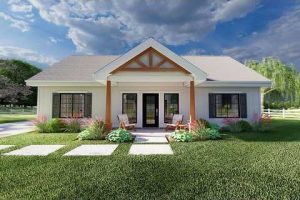
Building a home that truly reflects who you are requires more than picking out finishes and choosing a floor plan off a catalog. A custom home designer brings your vision to life, translating your personality, lifestyle, and aspirations into a built environment that is uniquely yours. Whether you are planning a single-story retreat in the suburbs or a sprawling modern estate, understanding what a custom home designer does, how they differ from traditional architects, and how to select the right professional can make the difference between a house and the home of your dreams. This guide covers everything you need to know about working with a custom home designer, from the initial concept to the final walkthrough.
What Is a Custom Home Designer and Why Do You Need One?
A custom home designer is a professional who specializes in creating personalized residential floor plans and architectural concepts tailored to individual homeowners. Unlike production home builders who rely on standardized templates, a custom home designer works one-on-one with clients to develop bespoke solutions that match specific tastes, site conditions, and functional needs. These professionals may hold titles such as residential designer, home design specialist, or certified building designer, and many bring years of experience in spatial planning, material selection, and constructability.
You need a custom home designer when your project demands originality and personal attention. Perhaps your lot has unusual topography, your family requires specific accessibility features, or you want a design that blends seamlessly with your neighborhood’s architectural character. A skilled designer considers every detail — from natural lighting and traffic flow to future expansion potential — ensuring the final result feels intentional and cohesive rather than assembled from off-the-shelf components.
Custom Home Designer vs. Architect — Key Differences
One of the most common questions homeowners ask is whether they should hire a custom home designer or a licensed architect. While both professionals can create beautiful residential designs, there are meaningful distinctions in scope, training, cost, and regulatory authority.
| Factor | Custom Home Designer | Licensed Architect |
| Education & Licensing | May hold a certificate or degree in residential design; licensing varies by state | Must complete a professional degree, internship, and pass the Architect Registration Examination (ARE) |
| Scope of Work | Primarily residential projects, floor plans, interior layout, and aesthetic design | Full architectural services including structural engineering, MEP systems, and code compliance |
| Cost Range | Typically 5%–10% of construction cost | Typically 10%–20% of construction cost |
| Project Complexity | Ideal for custom homes, renovations, and modest to mid-scale builds | Best for complex structures, commercial-adjacent projects, and highly regulated builds |
| Building Codes & Permits | Proficient in residential codes; may collaborate with engineers for structural work | Deep expertise in all building codes and can stamp and seal drawings independently |
For most custom residential projects, a skilled home designer delivers exceptional value without the premium price tag of a licensed architect. However, if your build involves complex structural demands or stringent municipal requirements, an architect’s deeper technical expertise becomes invaluable.
What Does a Custom Home Designer Actually Do?
A custom home designer wears many hats throughout a project. Their responsibilities extend far beyond drawing lines on a blueprint. Here is a closer look at what they handle day to day:
Initial Consultation and Needs Assessment
The design process begins with a deep conversation about your lifestyle, family dynamics, and aesthetic preferences. A talented designer asks probing questions — How many bathrooms do you need now and in the future? Do you entertain frequently? Do you work from home and need a dedicated office? This discovery phase shapes every decision that follows.
Site Analysis and Feasibility
Before any design work begins, the designer evaluates your building site. They assess sun orientation, prevailing winds, topography, soil conditions, setback requirements, and local zoning laws. This analysis informs placement of the structure, window positioning, and even landscaping strategy.
Concept Development and Floor Plan Design

Using the information gathered, the designer creates preliminary sketches and floor plans. This stage involves experimenting with room configurations, circulation paths, and spatial relationships. Multiple revisions are normal as you refine your preferences together.

3D Visualization and Material Selection
Modern custom home designers often provide 3D renderings and virtual walkthroughs so you can experience your future home before a single foundation is poured. They also guide selections for exterior finishes, roofing materials, interior cabinetry, and fixture packages, ensuring consistency in style and quality.
Documentation and Permit Preparation
Once the design is finalized, the designer produces detailed construction documents including floor plans, elevations, cross-sections, and specification sheets. These documents serve as the blueprint for builders and are submitted to local authorities for permitting.
How to Choose the Right Custom Home Designer for Your Project
Selecting the right professional is a critical decision that directly impacts the quality and enjoyment of your finished home. Consider these factors when evaluating candidates:
- Review their portfolio. Look for designers whose past work aligns with your preferred style — whether that is modern farmhouse, Mediterranean, mid-century modern, or Craftsman.
- Check references. Speak with previous clients about their experience with communication, timelines, and responsiveness to feedback.
- Verify credentials. While not all states require licensing for home designers, certifications from organizations like the National Association of the Remodeling Industry (NARI) or the American Institute of Building Design (AIBD) signal professionalism and commitment to quality.
- Understand their fee structure. Ask upfront whether they charge a flat fee, hourly rate, or percentage of construction cost. Transparency about costs prevents surprises later.
- Assess their collaborative approach. The best designers treat you as a partner, welcoming your input while offering expert guidance based on experience.
- Evaluate their network. A well-connected designer can recommend reputable builders, structural engineers, and landscape architects, streamlining your entire project.
The Custom Home Design Process Step by Step
Understanding the design timeline helps set realistic expectations. While every project varies, most custom home designs follow a recognizable progression:
| Phase | Description | Typical Duration |
| 1. Discovery & Concept | Meetings, site visits, mood boards, and initial ideas | 2–4 weeks |
| 2. Schematic Design | Rough floor plans, elevations, and preliminary layouts | 3–6 weeks |
| 3. Design Development | Refined plans with material selections and structural considerations | 4–8 weeks |
| 4. Construction Documents | Detailed drawings and specifications ready for permitting | 4–6 weeks |
| 5. Permitting & Bidding | Submitting plans for approval and obtaining builder quotes | 4–12 weeks |
| 6. Construction Administration | Ongoing site visits and design support during building | Duration of construction |
Total timeline from concept to permit-ready drawings typically ranges from three to six months, depending on project complexity and revision cycles. Some designers also offer ongoing construction administration, attending site meetings and addressing questions that arise during the building phase.
Expert Tips for Getting the Most Out of Your Designer
- Be clear about your budget early. Sharing your realistic budget range allows the designer to propose solutions that align with your financial goals rather than creating plans you cannot afford to build.
- Create a wish list before meetings. Rank your must-haves versus nice-to-haves. This helps the designer prioritize spaces and features during the conceptual phase.
- Trust their expertise. A seasoned designer knows what works structurally, what maximizes natural light, and what holds its value over time. Listen to their recommendations even when they differ from your initial instincts.
- Consider future needs. Design with resale and aging-in-place in mind. Features like wider hallways, zero-step entries, and flexible bonus rooms add long-term value.
- Communicate consistently. Regular check-ins — whether weekly or biweekly — keep the project on track and prevent misunderstandings that can delay timelines.
Frequently Asked Questions
How much does it cost to hire a custom home designer?

Most custom home designers charge between 5% and 10% of the total construction cost for full design services. Some professionals offer flat fees ranging from $3,000 to $15,000 for residential projects, while others bill hourly rates of $75 to $150 per hour. The cost depends on the project’s scope, the designer’s experience level, and your geographic location. Always request a detailed written estimate before signing a contract.
Can a custom home designer help with an existing home renovation?
Absolutely. Many residential designers specialize in both new construction and renovation projects. Whether you are expanding a kitchen, reconfiguring a floor plan, or adding a second story, a custom home designer can assess structural constraints, suggest layout improvements, and produce drawings that guide your contractor through the remodel.
Do I need a custom home designer if I already have a floor plan I like?
Even if you have found a floor plan you admire, a custom home designer can adapt it to your specific lot, local building codes, and personal preferences. They can modify room sizes, adjust window placements, reconfigure the entry sequence, or incorporate energy-efficient upgrades that a stock plan may not include. This customization process typically costs significantly less than designing from scratch.
How long does the custom home design process take?
A typical custom home design project takes anywhere from three to six months from the first consultation to completed construction documents ready for permitting. Simpler projects with fewer revisions may move faster, while complex builds involving unusual site conditions or extensive client input may require additional time. Planning ahead and responding promptly to designer requests helps keep the timeline on track.
What should I look for in a custom home designer’s portfolio?
Look for diversity in architectural styles, evidence of attention to detail in elevations and interior spaces, and completed projects that demonstrate the designer’s ability to solve real site challenges. Pay attention to how natural light is used, how spaces transition from one room to another, and whether the designs feel cohesive with their surrounding landscapes. Client testimonials and before-and-after project photos are also strong indicators of design quality and client satisfaction.
Conclusion
A custom home designer is your greatest asset when building a residence that is truly one of a kind. From the earliest brainstorming sessions through the final construction details, they bring expertise, creativity, and problem-solving skills that transform abstract ideas into livable, beautiful spaces. By understanding the differences between a home designer and an architect, following a structured selection process, and actively participating in the design journey, you position yourself for a building experience that is both rewarding and successful. Invest in the right professional, communicate openly, and trust the process — the result will be a home crafted entirely around the way you live.