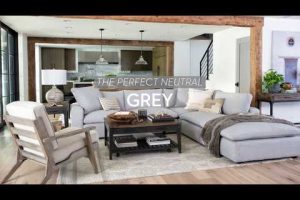
When you walk into a room that feels genuinely warm, inviting, and unmistakably real, you have entered a lived in room. This concept has taken the interior design world by storm, and for good reason. Unlike showroom-ready spaces that feel sterile and overly curated, a lived-in room tells a story. It carries the subtle imprint of daily life — a slightly pulled-back throw blanket, a stack of well-loved books, a coffee mug left on the side table. Whether you are redesigning your home, staging a property for sale, or simply trying to elevate your everyday surroundings, understanding what makes a room feel genuinely lived in can transform the way you approach interior design entirely.
What Is a Lived-In Room?

A lived-in room is a space that reflects authentic, everyday use rather than a carefully staged or untouched appearance. The term describes rooms where furniture is arranged for comfort and function, where textures are layered, and where personal objects are allowed to coexist alongside curated design elements. It is the opposite of a showhome — it is not about perfection but about personality. A lived-in aesthetic embraces the beauty of imperfection, mixing practical everyday items with intentional design choices so that the room looks and feels like it is genuinely being enjoyed by the people who inhabit it.
The lived-in room concept has gained enormous traction across social media platforms like Pinterest, Instagram, and TikTok, where homeowners and designers share spaces that look relaxed, approachable, and deeply personal. This shift reflects a broader cultural movement toward valuing authenticity over artificial polish in home environments.
Why the Lived-In Room Aesthetic Is So Popular
Several powerful cultural and psychological factors are driving the popularity of the lived-in room look. Understanding these forces helps explain why so many homeowners are deliberately moving away from pristine, overly staged interiors.
- Desire for authenticity. People are tired of spaces that feel like they belong in a catalog or a real estate listing. They want their homes to reflect who they actually are — their habits, hobbies, and daily routines.
- Comfort as a priority. Modern living emphasizes well-being and mental health. A lived-in room prioritizes comfort, making it easier to relax, unwind, and feel at ease.
- Sustainability and longevity. A lived-in aesthetic naturally extends the life of furniture and decor because it encourages use rather than preservation. It aligns with the growing zero-waste and sustainable design movements.
- Social media influence. Platforms like TikTok have popularized phrases like “that lived in room feeling” and “cozy lived-in aesthetic,” making the concept widely recognizable and aspirational.
The Psychology Behind Lived-In Spaces
Research in environmental psychology suggests that spaces that appear used and inhabited trigger feelings of safety, belonging, and familiarity. A room that looks untouched can feel cold and unwelcoming, almost as though it is waiting for someone who never arrives. In contrast, a lived-in room communicates warmth and human presence. It signals that the space is functional, loved, and real — and this psychological comfort has measurable effects on mood, stress levels, and overall satisfaction with one’s home environment.
Key Elements of a Lived-In Room
Creating a genuinely lived-in room requires attention to several interconnected design elements. Each one plays a role in making the space feel authentic and welcoming.
Furniture Placement and Layering
The foundation of a lived-in room is how furniture is arranged. Avoid pushing every piece flush against the walls — this is the hallmark of a staged space. Instead, pull your sofa slightly away from the wall, angle chairs toward a conversation point, and create intimate seating clusters. Furniture layering is also essential: combine a plush area rug with a coffee table, side tables, and floor lamps to create depth and visual interest. The goal is to make the room feel collected over time, not assembled in a single afternoon.
Texture and Material Choices
Texture is where a lived-in room truly comes alive. Mix smooth surfaces like glass and polished wood with rough, tactile materials such as linen, chunky knit throws, rattan, and weathered leather. The contrast between different textures adds richness and makes the room feel dynamic rather than flat. Think of a lived-in bedroom with a rumpled linen duvet, a wool blanket draped over the foot of the bed, and a woven jute rug underfoot — each element contributes to that unmistakable sense of warmth and use.
Lighting That Feels Authentic
Harsh overhead lighting is the enemy of a lived-in atmosphere. Replace it with layered lighting sources that mimic the way natural light and daily routines actually illuminate a space. Use table lamps on side tables, floor lamps in corners, and candles or string lights for ambient warmth. Dimmer switches are a game-changer, allowing you to adjust brightness throughout the day. The soft, uneven glow of multiple light sources instantly makes a room feel occupied and cozy rather than cold and institutional.
Personal Objects and Intentional Clutter
One of the defining features of a lived-in room is the presence of personal objects — photographs, travel souvenirs, books, plants, and everyday items that belong to the people using the space. This does not mean allowing clutter to take over; rather, it is about intentional staging where objects feel purposeful and curated. A bookshelf with a mix of books, framed photos, and a small potted plant looks alive. A completely bare bookshelf looks like a waiting room.
Lived-In Room vs. Staged Room Comparison

| Feature | Lived-In Room | Staged Room |
| Furniture Arrangement | Relaxed, angled, conversational clusters | Pushed against walls, symmetrical |
| Textures | Layered, mixed, tactile | Minimal, uniform, polished |
| Personal Items | Present and intentional | Removed or replaced with generic decor |
| Lighting | Warm, layered, dimmable | Bright, overhead, even |
| Overall Feel | Authentic, warm, personal | Impersonal, pristine, temporary |
| Best For | Everyday living, family homes | Real estate showings, photography |
Step-by-Step Guide to Creating a Lived-In Room
Follow these practical steps to transform any room into a space that feels genuinely inhabited and deeply comfortable.
- Start with a neutral base. Choose a warm, neutral color palette for walls and large furniture pieces. Think soft whites, warm grays, muted beiges, and earthy tones. These colors create a calm canvas that allows personal items and textures to stand out.
- Add a statement rug. A generously sized rug anchors the seating area and immediately signals that the space is meant for everyday use. Choose a texture-rich option in a natural material.
- Layer your textiles. Drape throws over sofas and chairs, add plush cushions in varying sizes, and use curtains that hang naturally rather than being pulled perfectly taut.
- Incorporate everyday objects. Leave a book open on the coffee table, place a plant where it catches natural light, and set out a tray with a carafe and glasses. These small details make the room feel active and real.
- Use multiple light sources. Combine overhead, task, and accent lighting. Use warm-toned bulbs to create a soft, inviting glow.
- Embrace patina and wear. Do not replace furniture just because it shows signs of use. A well-worn leather chair or a softly faded wooden table adds character that cannot be replicated with new pieces.
- Rotate and refresh seasonally. Swap out cushion covers, rearrange a few decorative items, and adjust your textiles with the seasons. This ongoing curation keeps the room feeling fresh while maintaining its lived-in character.
Common Mistakes to Avoid When Creating a Lived-In Room

Even with the best intentions, it is easy to fall into traps that make a room feel artificially “lived in” rather than genuinely used. Here are the most common mistakes:
- Over-accessorizing. Filling every surface with decorative objects creates clutter that looks forced rather than natural. Edit carefully and let some surfaces breathe.
- Ignoring function. A lived-in room must work for real life. If you cannot comfortably use the space for its intended purpose, the aesthetic will feel hollow.
- Buying all matching sets. Coordinated furniture sets from a single collection scream “showroom.” Mix pieces from different styles, eras, and sources for an authentic look.
- Neglecting maintenance of the “mess.” There is a fine line between lived-in charm and genuine mess. Regular tidying and intentional curation keep the space comfortable without becoming overwhelming.
- Using too many trending pieces. Trend-driven decor can date quickly and make a room feel like it is trying too hard. Invest in timeless, quality pieces and use trends sparingly as accents.
Frequently Asked Questions
1. What does “lived in room” mean in real estate? In real estate, a “lived in room” refers to a space that has been previously occupied and shows signs of regular use. Buyers often prefer properties with a lived-in feel because it suggests the home has been maintained and cared for, rather than sitting empty and neglected. Staging a property to feel lived-in can significantly increase buyer interest and perceived value.
2. How do I make a new room look lived in? Start by layering textiles like throws and cushions, arranging furniture in conversational groupings rather than against walls, and adding personal items such as books, photographs, and plants. Use warm, layered lighting and introduce items that show signs of use or character, such as vintage pieces or well-worn materials.
3. What is the difference between a lived-in room and a messy room? A lived-in room is thoughtfully curated — it has personal touches and layered textures but remains organized and functional. A messy room lacks intention and order. The key difference is editing: a lived-in room has been carefully composed to look naturally occupied, while a messy room simply has too many items in disarray.
4. Can a minimalist room be considered lived in? Absolutely. A minimalist lived-in room uses fewer objects but ensures that every item has meaning and purpose. The textures, lighting, and furniture arrangement still convey warmth and authenticity. Minimalism and the lived-in aesthetic share a common goal: removing the unnecessary so that what remains feels genuine and intentional.
5. What colors work best for a lived-in room aesthetic? Warm neutrals like cream, beige, soft gray, and warm white form the ideal foundation. Accent with muted earth tones, deep greens, and dusty blues. Avoid stark whites and harsh blacks, which can make a space feel clinical rather than inviting.
Final Thoughts
The lived-in room is more than a passing design trend — it is a philosophy of home that values authenticity, comfort, and genuine human connection with our living spaces. Whether you are renovating a single room or reimagining your entire home, embracing the lived-in aesthetic means letting go of the need for perfection and instead celebrating the beauty of real life unfolding in a real space. By layering textures, arranging furniture for conversation, incorporating personal objects, and using warm lighting, you can create rooms that do not just look beautiful but actually feel like home. Start with one room, experiment with the principles outlined above, and let the space evolve naturally over time. That is exactly what a truly lived-in room is all about.