Creating a leather couch living space is one of the most impactful decisions you can make when designing or refreshing your home interior. A well-chosen leather sofa doesn’t just fill a room — it anchors it, sets the tone, and elevates the entire aesthetic. Whether you’re furnishing a compact apartment living room or designing a sprawling open-plan lounge, the right leather couch transforms ordinary spaces into sophisticated, inviting environments. In this comprehensive guide, we’ll walk you through everything from selecting the perfect piece and styling it effectively to maintaining its beauty for years to come. If you’ve been searching for actionable leather couch living room design ideas or practical tips on how to arrange leather furniture like a pro, you’re in the right place.
Why Leather Couches Define Living Spaces
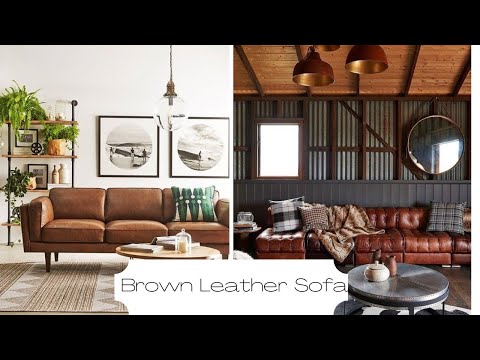
Leather couches carry a unique combination of durability, elegance, and versatility that few other upholstery materials can match. When placed in a living space, they immediately communicate a sense of refinement and intentional design. Beyond aesthetics, real leather ages beautifully, developing a personalized patina that tells the story of your home. This natural evolution is one of the key reasons homeowners invest in leather seating for their primary gathering areas.
From a functional standpoint, leather couches in living spaces offer several practical advantages:
- Exceptional durability — leather withstands years of daily use far better than most fabrics
- Easy maintenance — spills wipe off easily with a damp cloth, making it ideal for busy households
- Allergy-friendly — leather doesn’t trap dust mites, pet dander, or allergens the way fabric does
- Temperature adaptability — quality leather breathes well, staying comfortable across seasons
- Long-term value — a premium leather couch retains resale value significantly better than fabric alternatives

How to Choose the Right Leather Couch for Your Living Space

Understanding Leather Types
Not all leather is created equal, and understanding the differences is essential when designing your leather couch living room setup. Full-grain leather represents the highest quality — it retains the natural surface and develops the richest patina over time. Top-grain leather is slightly sanded for a more uniform appearance while still offering excellent durability. Corrected-grain leather receives additional surface treatments, making it more affordable but less natural in texture. Bonded leather, the lowest tier, should generally be avoided for long-term living space investments.
Sizing and Configuration Considerations
Measuring your living space before purchasing is non-negotiable. A leather couch that overwhelms a room creates visual clutter, while one that’s too small leaves the space feeling incomplete. Consider these configuration options:
- Three-seater sofas — ideal for smaller living rooms where you need a focal piece without dominating the floor plan
- Sectional leather arrangements — perfect for open-plan living spaces and family rooms where seating capacity matters
- Loveseat and chair combinations — great for medium-sized rooms that need flexible seating zones
- Chesterfield and club styles — excellent for traditional or vintage-inspired living space aesthetics
Styling Your Leather Couch Living Space Like a Designer
Color Coordination Strategies
The color of your leather couch sets the palette for the entire room. Neutral tones like cognac, espresso, and charcoal black offer maximum flexibility when pairing with wall colors, rugs, and accessories. If you want a bold statement, consider deep burgundy or saddle brown leather that adds warmth and personality. For modern minimalist living spaces, black leather sofas create a sleek, contemporary anchor point that pairs beautifully with monochromatic palettes.
Furniture Arrangement Best Practices
Arranging leather furniture effectively can make or break the functionality of your living space. Here are expert-recommended strategies:
- Position the leather couch at the focal point of the room — typically facing the main entertainment unit or fireplace
- Maintain at least 30 inches of walking space around the sofa for comfortable traffic flow
- Use a coffee table placed 16 to 18 inches from the couch seat edge for easy access
- Angle the couch slightly toward the room’s main gathering area to encourage conversation
- Pair with complementary accent chairs at the same height to create visual balance
Texture and Layer Integration
One of the most effective techniques for styling leather in living spaces is layering contrasting textures. A smooth leather sofa looks stunning when paired with chunky knit throws, woven rugs, and matte wood side tables. This combination prevents the leather from feeling too cold or sterile while adding depth and visual interest. For spaces with leather accent chairs, try mixing them with linen curtains and velvet cushions to create a balanced, eclectic atmosphere.
Leather Couch vs. Fabric Couch: Which Is Better for Living Spaces?
This is one of the most common dilemmas homeowners face when furnishing their living rooms. Both materials have distinct advantages depending on your lifestyle, climate, and design preferences.
| Feature | Leather Couch | Fabric Couch |
| Durability | Lasts 15-25+ years with proper care | Typically 5-15 years depending on fabric |
| Ease of Cleaning | Wipe clean with damp cloth | Often requires professional deep cleaning |
| Allergy Friendliness | Resists dust mites and dander | Can harbor allergens in fibers |
| Aesthetic Versatility | Best for modern, mid-century, and rustic styles | Available in virtually every pattern and texture |
| Climate Performance | Can feel warm in summer, cool in winter | More consistent temperature feel year-round |
| Initial Cost | Higher upfront investment | Wider range from budget to luxury |
| Pet Compatibility | Scratches possible but easy to wipe | Hair embeds in fabric; harder to clean |
| Customization Options | Limited to color and finish | Nearly unlimited patterns and textiles |
For high-traffic living spaces with children or pets, leather often wins the debate due to its wipe-clean surface and resistance to stains. Families who prefer a softer, more casual feel or who change their decor frequently may gravitate toward fabric options instead. The best approach is honestly assessing your daily habits and choosing accordingly.
Maintaining and Protecting Your Leather Couch in a Living Space
Proper maintenance is what separates a leather couch that looks spectacular for decades from one that deteriorates prematurely. Living spaces expose furniture to sunlight, varying humidity levels, spills, and daily wear — all factors that demand a consistent care routine.
Essential Leather Care Routine
- Dust weekly — use a microfiber cloth to remove surface particles that can scratch the finish over time
- Condition every 3-6 months — apply a quality leather conditioner to prevent drying and cracking
- Clean spills immediately — blot with a clean cloth; avoid harsh chemical cleaners that strip the finish
- Keep away from direct sunlight — UV rays cause leather to fade and become brittle over time
- Use throw blankets — protect high-contact areas from body oils and perspiration
Common Mistakes to Avoid
- Never use household cleaners or alcohol-based products on leather surfaces
- Avoid placing leather couches near heating vents or radiators that cause rapid moisture loss
- Don’t skip conditioning during dry winter months when indoor heating depletes leather moisture
- Refrain from using sharp objects or rough materials directly on the leather surface
Advanced Living Space Design Ideas with Leather Couches
Once you’ve mastered the basics, it’s time to explore advanced styling techniques that elevate your leather couch living room into a showpiece. Consider these expert-level approaches:
- Monochromatic layering — pair a cognac leather sofa with matching leather ottomans and walnut wood tones for a cohesive, luxury feel
- Contrast play — place a black leather couch against white walls with brass accents for a striking modern contrast
- Eclectic mixing — combine a vintage leather Chesterfield with contemporary glass tables and geometric-patterned rugs for a layered, curated look
- Outdoor-adjacent living — use weather-resistant leather on sunroom or patio lounge sofas that blur indoor-outdoor boundaries
- Statement wall pairing — install textured wallpaper or shiplap behind your leather couch to create a dramatic focal wall
Conclusion
A leather couch living space represents more than just furniture placement — it’s a design philosophy centered on longevity, sophistication, and intentional living. From selecting the right leather type and configuration to mastering styling techniques and maintenance routines, every decision contributes to a space that looks and feels exceptional. Whether you’re working with a compact studio apartment or a sprawling family room, leather couches offer unmatched versatility and enduring appeal. Invest in quality, style with intention, and your living space will reward you with comfort and beauty for decades to come.
Frequently Asked Questions
How do I style a leather couch in a small living room without making it feel cramped?
Choose a compact three-seater or a modular loveseat configuration in a lighter leather shade like tan or caramel. Keep the coffee table small and consider wall-mounted shelves to preserve floor space. Avoid heavy, oversized accessories and let the leather couch remain the room’s sole focal point.
What is the best leather type for a family living space with pets and children?
Top-grain or full-grain aniline leather with a protective finish offers the best balance of durability and easy cleaning for family living spaces. These leathers resist scratches better than delicate finishes and can be wiped clean quickly when accidents happen.
How often should I condition my leather couch to keep it looking great in a living room?
Condition your leather couch every three to six months, adjusting frequency based on your climate and sun exposure. Dry environments and sunlit living rooms require more frequent conditioning — as often as every three months — to prevent the leather from drying out and developing cracks.
Can I place a leather couch near a window in my living space without damage?
You can, but prolonged direct sunlight will fade and dry out leather over time. Use UV-blocking window treatments or sheer curtains to filter harsh sunlight. Rotating the couch position occasionally or periodically rearranging your leather furniture also helps ensure even wear and color preservation.
What color leather couch works best for a modern living space design?
Charcoal black, espresso brown, and warm cognac are the most versatile leather colors for modern living spaces. Black creates a sleek contemporary feel, while cognac and espresso add warmth without overwhelming the room’s color palette.
Is it worth investing in a more expensive leather couch for a living space used daily?
Absolutely. Premium full-grain leather couches cost more upfront but last significantly longer and age gracefully compared to budget alternatives. For a living space you use daily, investing in quality leather pays off in longevity, comfort, and the developing patina that only genuine leather delivers over time.