


Creating the perfect couch living spaces goes far beyond simply placing a sofa in a room and calling it a day. The way you arrange, style, and optimize your couch-centered living area directly impacts the comfort, functionality, and overall aesthetic of your entire home. Whether you are working with a compact apartment or a sprawling open-plan layout, understanding how to design around your couch can transform an ordinary room into a welcoming sanctuary. In this comprehensive guide, we will explore everything from foundational design principles to advanced styling techniques that will elevate your couch living spaces into something truly remarkable. If you have been searching for practical couch placement ideas, sofa arrangement tips, or ways to make your living room feel more intentional, you are in the right place.
What Are Couch Living Spaces and Why Do They Matter
Couch living spaces refer to the deliberate design and arrangement of a room or area centered around a couch or sofa as the primary focal point. Unlike rooms where the television or fireplace dominates, couch living spaces prioritize comfort, conversation, and relaxation. The couch becomes the anchor piece around which every other furniture choice, color palette, and accessory decision revolves. This approach to interior design has gained enormous popularity because it reflects how modern families and individuals actually use their homes — gathering on the sofa, reading together, watching movies, or simply unwinding after a long day.
The Psychology Behind Couch-Centered Design
Research in environmental psychology suggests that furniture arrangement significantly influences mood and social interaction. When a couch faces a focal point like a fireplace or a window, it creates a sense of openness and connection. When it is pushed against a wall with no clear purpose, the space feels disconnected. Designing couch living spaces with intention means understanding how people move through a room, where they naturally gather, and what makes them feel at ease. A well-designed couch area encourages longer stays, deeper conversations, and a genuine sense of belonging within the home.
Designing Your Couch Living Spaces: A Step-by-Step Approach
Designing couch living spaces requires a balance of measurement, style awareness, and practical planning. Here is a structured approach that works for beginners and seasoned home designers alike.
- Measure your room dimensions and identify the focal point. Every great living space starts with understanding the space you have. Measure the length, width, and any architectural features like windows, doors, or built-in shelving.
- Choose the right couch size for the room. A massive sectional in a tiny room will make the space feel cramped, while a tiny loveseat in a large room will look lost. Match the scale of your couch to the dimensions of the room.
- Establish a traffic flow pattern. Leave at least 30 inches of walking space around the couch. This ensures people can move freely without bumping into furniture.
- Layer seating around the couch. Add accent chairs, ottomans, or a chaise to create a conversation group that feels inviting and balanced.
- Anchor the area with a rug. A properly sized rug beneath the couch and front legs of any additional seating defines the living zone and adds warmth.
- Layer lighting at multiple heights. Combine overhead fixtures, table lamps, and floor lamps to create ambiance and functionality.
- Add personal accessories thoughtfully. Throw pillows, blankets, artwork, and plants complete the picture but should never clutter the space.
Best Couch Styles for Different Living Space Layouts
Not every couch works in every space. Choosing the right style depends on the size of your room, your lifestyle, and your design preferences. Below is a comparison of popular couch styles suited for various couch living spaces.
| Couch Style | Best For | Room Size | Key Advantage |
| Standard 3-Seater Sofa | Traditional and modern layouts | Small to medium | Versatile and easy to arrange |
| L-Shaped Sectional | Open-plan and family rooms | Medium to large | Maximum seating and coziness |
| Loveseat or Small Couch | Studio apartments and tiny spaces | Small | Saves floor space while adding comfort |
| Chesterfield Sofa | Classic and formal living rooms | Medium to large | Timeless elegance and bold statement |
| Sleeper Sofa | Multi-functional guest rooms | Small to medium | Double duty as seating and bedding |
| Modular Couch System | Customizable layouts | Any size | Flexible configuration options |
Each of these couch styles brings a unique energy to living spaces. A standard 3-seater sofa is the workhorse of couch living spaces — it fits almost anywhere and pairs beautifully with accent chairs. L-shaped sectionals are ideal for families who want to create a dedicated lounge zone. Loveseats work wonders in studio apartments where every square foot counts. The key is to align your couch choice with both the physical dimensions of the room and the way you actually live in it.
Maximizing Small Couch Living Spaces
Small-space living does not mean sacrificing style or comfort. In fact, some of the most impressive couch living spaces are found in compact apartments and studio homes. The secret lies in smart furniture selection and strategic placement. Start by choosing a couch with exposed legs, which creates a sense of lightness and allows the eye to travel underneath, making the room feel larger. Light-colored upholstery in soft grays, creams, or pastels reflects natural light and opens up the space.
Consider a couch with storage underneath, such as a lift-top ottoman or a sofa with built-in compartments. This adds functionality without adding visual clutter. When arranging small couch living spaces, float the couch away from the wall instead of pushing it flush against one. This creates a more intimate seating area and allows you to place a console table or shelf behind it, doubling your surface area without eating into the room’s footprint. Using mirrors strategically opposite windows or light sources amplifies the sense of space dramatically.
Common Mistakes People Make in Couch Living Space Design

Even experienced homeowners fall into traps when designing around their couch. Avoiding these common mistakes will save you time, money, and frustration.
- Choosing a couch that is too large for the room. Oversized furniture dominates a small space and disrupts the flow.
- Ignoring traffic flow. Furniture placed too close together or blocking doorways makes the room feel cramped and unwelcoming.
- Skipping the rug. A rug anchors the seating area and ties the room together visually. Without it, the couch can feel floating and disconnected.
- Using only overhead lighting. Flat lighting makes any space feel sterile. Layer your lighting to add depth and warmth.
- Matching everything exactly. Perfectly matched furniture sets can feel sterile. Mix textures, tones, and styles for a curated, lived-in look.
- Neglecting scale in accessories. Tiny throw pillows on a large sectional look lost, while oversized pillows on a small couch overwhelm the space.
Expert Tips for Creating Exceptional Couch Living Spaces
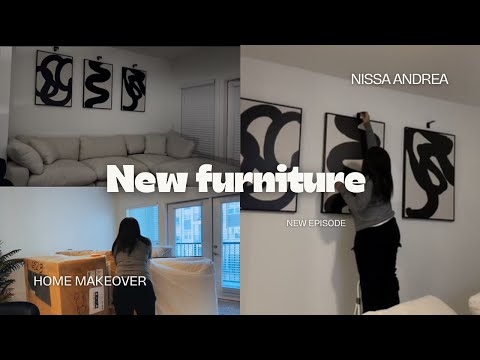
Professional interior designers rely on a handful of proven techniques that anyone can apply to their own couch living spaces. First, always start with a color palette of no more than three dominant colors. This keeps the room cohesive and prevents visual chaos. Second, use the rule of odd numbers when grouping accessories — three throw pillows, five candles, or a cluster of three framed images feels more natural and dynamic than even numbers.

Third, pay attention to the back of your couch. If it faces a window or a high-traffic area, consider a lower-back design or a decorative backdrop like a shelf or gallery wall. Fourth, invest in quality throw blankets and textured pillows in varying sizes and fabrics. These small touches add depth and invite people to linger on the couch longer. Finally, rotate your accessories seasonally to refresh the space without the cost of new furniture.
Long-Tail Keyword FAQs About Couch Living Spaces
How do you arrange furniture around a couch in a small living room?
In small living rooms, float the couch away from the wall and place it perpendicular to the longest wall. Use a compact loveseat or a standard 3-seater and pair it with one or two armless accent chairs. Choose a slim, transparent coffee table or an ottoman to maintain open sightlines. A strategically placed mirror and light-colored walls will make the area feel significantly larger.
What is the ideal distance between a couch and a coffee table in living spaces?
The ideal distance between a couch and a coffee table is between 16 and 18 inches. This allows enough room for people to pull their chairs out comfortably while keeping items within easy reach. For living spaces with larger sectional sofas, aim for at least 20 inches to accommodate comfortable movement.
Can you use a sectional couch in a rectangular living room layout?
Absolutely. Sectional couches work well in rectangular living rooms, especially when the L-shape runs along the longer wall. Place the longer section of the sectional against the wall and angle the shorter leg toward the center of the room. This creates a natural conversation area and breaks up the linear feel of a rectangular space.
What couch colors work best for neutral couch living spaces?
Warm beiges, soft grays, muted navy, and olive green are among the most popular and versatile couch colors for neutral living spaces. These tones complement a wide range of wall colors, flooring types, and accent palettes. If you want a bolder statement, consider a deep burgundy or charcoal couch paired with lighter accessories to balance the look.
How often should you refresh accessories in a couch living area?
Interior designers recommend refreshing throw pillows, blankets, and decorative items every season or at least twice a year. This does not require purchasing new furniture — swapping out a few key accessories, rotating artwork, and adding seasonal greenery can completely transform the feel of your couch living spaces on a minimal budget.
Conclusion: Your Couch Living Spaces Deserve Intentional Design
Couch living spaces are more than just a seating area — they are the emotional heart of your home. The couch is where conversations happen, where relaxation begins, and where memories are made. By approaching your living space design with intention, measuring carefully, choosing the right couch style, and avoiding common pitfalls, you can create an area that is both beautiful and deeply functional. Whether you are redesigning a single room or rethinking your entire floor plan, the principles outlined in this guide will help you build a living space that truly reflects who you are and how you live. Start with your couch, build outward, and watch your home transform into a space you never want to leave.